By Stephen chandisareva.
Harare, Zimbabwe. (News of the South) – As Zimbabwe celebrates 37th birthday tomorrow April 18, a milestone reached after gaining independence from British colonial rule on April 18 1980, lets also take this opportunity to celebrate, honour and appreciate the role our gallant sons and daughters played during liberation struggle.
It was not an easy road as Zimbabwe was subject to British colonial rule since 1890 and as we celebrate independence tomorrow, let’s take
a look back and celebrate, honour our sons and daughters like Mbuya Nehanda, Sekuru Kaguvi, Herbert Chitepo, Josiah Tongogara, Joshua Nkomo, and Robert Mugabe who kept resisting the colonial rule which eventually gave birth to the Chimurenga Wars 1 &2.
(adsbygoogle = window.adsbygoogle || []).push({});
The long suffering that Zimbabweans undergone can be traced back to the initial European penetration into Zimbabwe which began through Christian missionaries who befriended Mzilikazi in 1858. They were followed by hunters, soldiers and farmers.
Rudd Concession was signed between Lobengular and Cecil John Rhodes,
supposed for mining purpose but unfortunately, Rhodes then brought an
army and settled at Salisbury in 1890.
After that, Rhodes declared war on Lobengular and overthrew him and named the country Rhodesia. In September of 1890 Rhode’s Pioneer Column drove to Mashonaland to establish Fort Salisbury and the new colonial state was named after its founder Rhodes and ninety years later white ruled Rhodesia became the independent state of Zimbabwe.
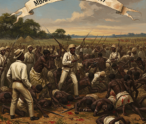
Although Lobengular have been defeated and practically left for dead in 1893, Africans have always resisted the British rule from the beginning of European settlement, Africans in both Mashonaland and Matabeleland again took up arms in the First and Second Chimurenga of 1896-97 which was led by the spirit mediums Mbuya Nehanda and Sekuru Kaguvi.
The uprising was stifled by the use of incomparable brutality and torture of the prisoners of war and civilians and for almost 60 years there were less or no armed oppositions to British minority rule, although political, labour protests, social unrest and abject poverty among the Black majority were prevalent.
Ian Smith the then Prime Minister of Southern Rhodesia, delivered a
Unilateral Declaration of Independence (UDI) in 1965. This was, however in no circumstances beneficial to the black majority because they still were under the rule of the independent white minority.
Thereafter talks of freedom began in 1975 and the country finally achieved its independence in 1980 after a prolonged war between the white minority government and the nationalist blacks that led to the death of around 27 000 people.
The Lancaster House Agreement, signed on December 21 1979 by the leaders of the Patriotic Front, Robert Mugabe, Joshua Nkomo and Abel Muzorewa and the British government also present, called for a truce.
It was also a driving force to the drafting of a new Constitution, and
free election within a period of six months with among other nitty gritties that were directed towards creating a free and new Zimbabwe.
Comments
About Author