


Some face mask are high risk in increasing Covid-19 infections.
Research done by scientists at the Duke University in the United States of America has proven that some masks increase risk of Covid-19 infections including bandanas and make-shift masks
as they performed poorly in the tests carried out.
By Antonnate S. Mugodi
Fourteen different styles of masks were tested and scientists discovered that some have a high chance of increasing the risk of Covid-19.
N95 masks which are used by healthcare professionals in the United States came out top in the study.
Experts found that the covering worked best at stopping the transmission of respiratory droplets when users are speaking.
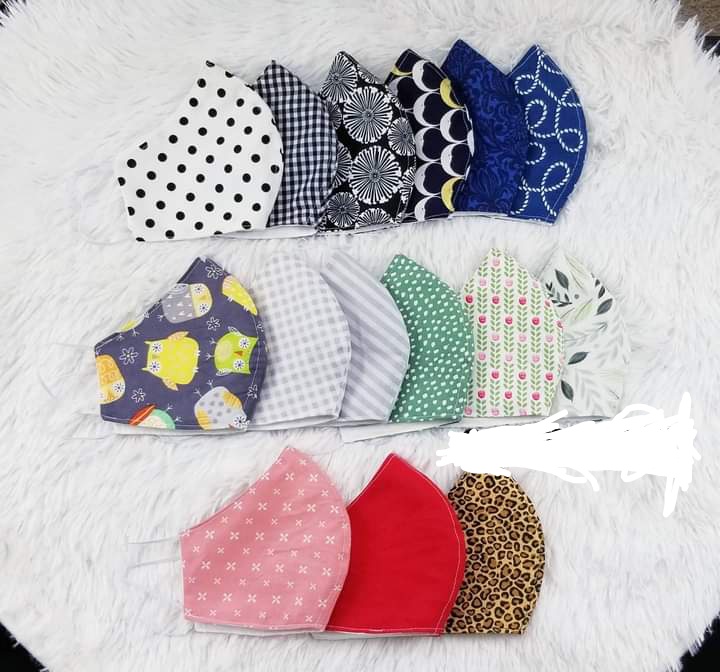
The three-layer surgical masks and cotton masks came second which can be made at home and also performed well at stopping the spread of the deadly Coronavirus.
The worst masks were neck fleeces, also known as gaiter masks or snoods as they were the least effective at stopping the transmission.
Often used by runners, the covering resulted in a higher number of respiratory droplets because the material broke down large droplets into smaller particles which are then spread more easily into the air.
Knitted masks and bandanas also did not provide much protection, Duke’s physics department found.
Martin Fischer who is an author said that wearing a neck fleece actually increases the risk of infection.
“We were extremely surprised to find that the number of particles measured with the fleece actually exceeded the number of particles measured without wearing any mask.
“We want to emphasize that we really encourage people to wear masks, but we want them to wear masks that actually work,” he said.
The test which the research team used involved a black box fitted with a laser and a cell phone camera.
A face mask-wearer would then speak inside the box into the direction of the laser and the the respiratory droplets would then be recorded by the camera.
The amount of droplets would then be counted by a computer algorithm.
Fischer said:“This is a very powerful visual tool to raise awareness that a very simple masks, like these home-made cotton masks, do really well to stop the majority of these respiratory droplets.
“Companies and manufacturers can set this up and test their mask designs before producing them, which would also be very useful.”
Comments
About Author


