
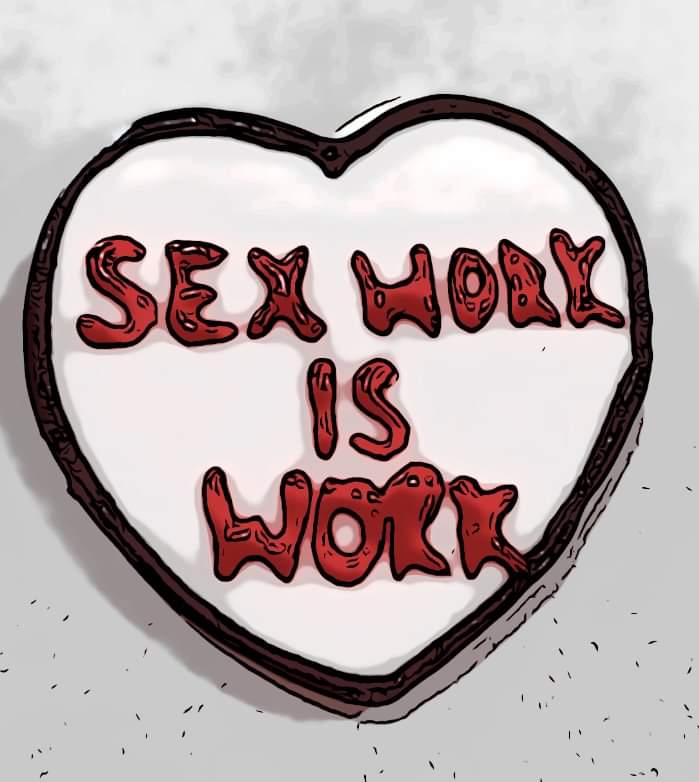


Sex workers defy Covid- 19 regulations
By Edward Makuzva
HARARE, Zimbabwe.(News of the South)-Commercial sex workers have been hit by hard times after President Emmerson Mnangagwa announced the first lockdown on 30 March 2020, which forced them to stay home without any source of income and are defying the restrictions by returning to their normal business.
In an interview, Mercy Moyo known as “Star” in the sex industry who operated her trade at Southlands Shops, Harare South constituency, added that sex workers say they cannot miss the opportunity, although many have changed their timetables.
Moyo said people want strippers, commercial sex workers, and porn stars to leave the industry. But when we do, they shun us.
“While current and former sex workers are uniquely scrutinized, I suspect most women with children are far too influenced by the myth of the perfect mother, an idealization increasingly out of reach.
“We are single mothers and we are in big struggle. Yet anytime we express anything less than absolute contentment, we are told to “Be grateful” and “Enjoy every second” because “The days are long but the years are short and they grow up so fast”, Moyo explained.
She highlighted that fear of being arrested by security forces at night, some of the commercial sex workers are operating during the day because some clients are at home during the lockdown.
Statistics reveal that there are around 44,500 female sex workers Zimbabwe, around 40% of whom are living with HIV. This is concerning in an environment where sex work is illegal, condoms are being confiscated and gender inequality makes condom negotiation difficult.
Despite this, some progress is being made; just under half (44%) of all sex workers were being reached with HIV prevention programmes in 2018.
In 2017, 96% of sex workers reported using a condom with their most recent client. Around 93% of HIV positive sex workers were aware of their status of whom 72% are on treatment.
Sex workers’ vulnerability to HIV is exacerbated by police intimidation, harassment and arrest. This creates fear that stops sex workers from accessing health services.
In 2016, the Centre for Sexual Health, HIV and AIDS Research (CeSHHAR) found that 20% of female sex workers in Zimbabwe had experienced violence from the police in the past year.
Meanwhile, an estimated of 730 000 women were living with HIV in Zimbabwe in 2018 in the same year, and a total of 19,000 women became HIV positive, compared to 14,000 men where gender inequality is present within relationships and marriages, and drives HIV infections.
Comments
About Author


