


By Princess Eugene Majuru
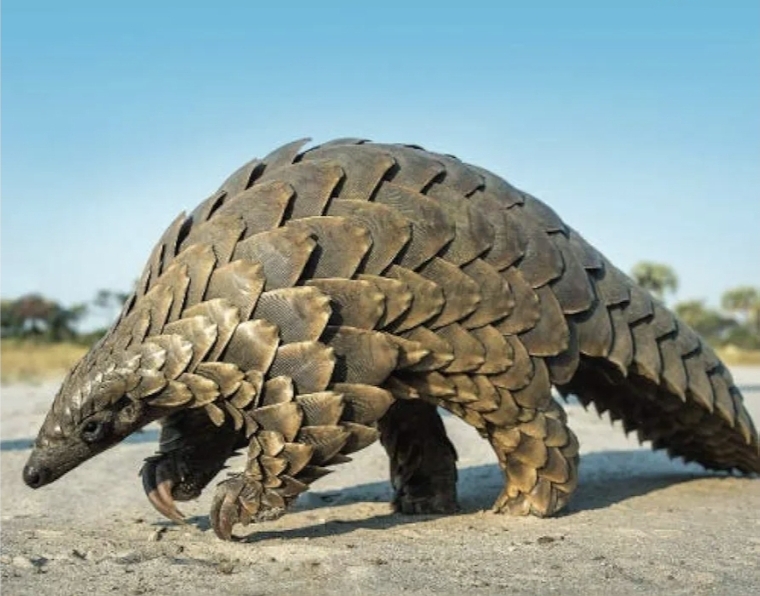
Gombekombe Zimbabwe The pangolin, known as “haka” in the Shona language, holds profound cultural and spiritual significance in the history of the Mbari clan and the region of Harare. This slow-moving, scaly mammal, while rare, is a living symbol of a historical claim to the land and a powerful link to the spiritual lineage of King Mbari. Its presence and treatment serve as a quiet, yet undeniable, testament to the true ownership of the land.
The Pangolin’s Spiritual and Cultural Significance
The pangolin is not merely an animal; it is considered sacred and a royal animal within the Shona culture. Its discovery is a sign of good fortune. A person who finds a pangolin is not allowed to kill or keep it. According to ancient traditions, the pangolin must be presented to a duly recognized chief or royal elder. The finder is considered to have encountered good luck, and the act of presenting the pangolin brings blessings to both the finder and the community.
In the case of King Mbari’s kingdom, the tradition is very specific: pangolins found in the Gombekombe area, which falls under Chief Chiweshe’s claimed territory, are presented exclusively to members of the Harare Royal Family—the Mbari clan. The ritual of giving the pangolin to the Mbari clan is a powerful affirmation of their rightful and spiritual ownership of the land. The act of receiving the pangolin is a confirmation of their status as the traditional owners and spiritual custodians of the area.
The Pangolin as a Symbol of Chieftainship
The claim of Chief Chiweshe to the Gombekombe area is challenged by this very tradition. While he may hold administrative authority, the spiritual authority, as demonstrated by the pangolin ritual, remains with the Mbari clan. The fact that the pangolins are not given to Chief Chiweshe’s people, and that only members of the Mbari clan eat them, is a clear sign that, in the eyes of local custom and spirituality, the land does not belong to the Chiweshe chieftainship.
The act of presenting the pangolin to the Mbari royals is a physical manifestation of a spiritual truth—that the land, its wildlife, and its people ultimately recognize the sovereignty of the Mbari clan. This tradition serves as an important, living, and non-confrontational way for the local population to acknowledge and honor the historical ownership of the land.
Mbari’s Legacy and the Suppression of Traditional Structures
The absence of an officially recognized Harare chieftainship today has created a vacuum that allows others to claim a territory that is not theirs by tradition. Despite colonial suppression and the challenges of modern governance, the ritual of the pangolin demonstrates that the traditional and spiritual lineage of King Mbari remains intact.
The fact that the pangolin ritual continues to this day, even in the absence of a formal chieftainship, highlights the resilience of tradition and the deep-seated spiritual beliefs of the local people. It is a powerful illustration of how culture can serve as a form of resistance against historical injustice, and how a seemingly small act can carry the weight of a powerful historical claim. One Mbari royal famiky member Taonezvi Juru grew up hearing the stories of pangolins in the Gombekombe area. Stories were passed on to him and other chikdren by grandparents. Oral tradition plays an kmportsnt role in the passing on of information. It is importsnt to doceument and create written records that arise from oral tradition.
Comments
About Author





