


By HRH Princess Eugene Majuru | News of The South
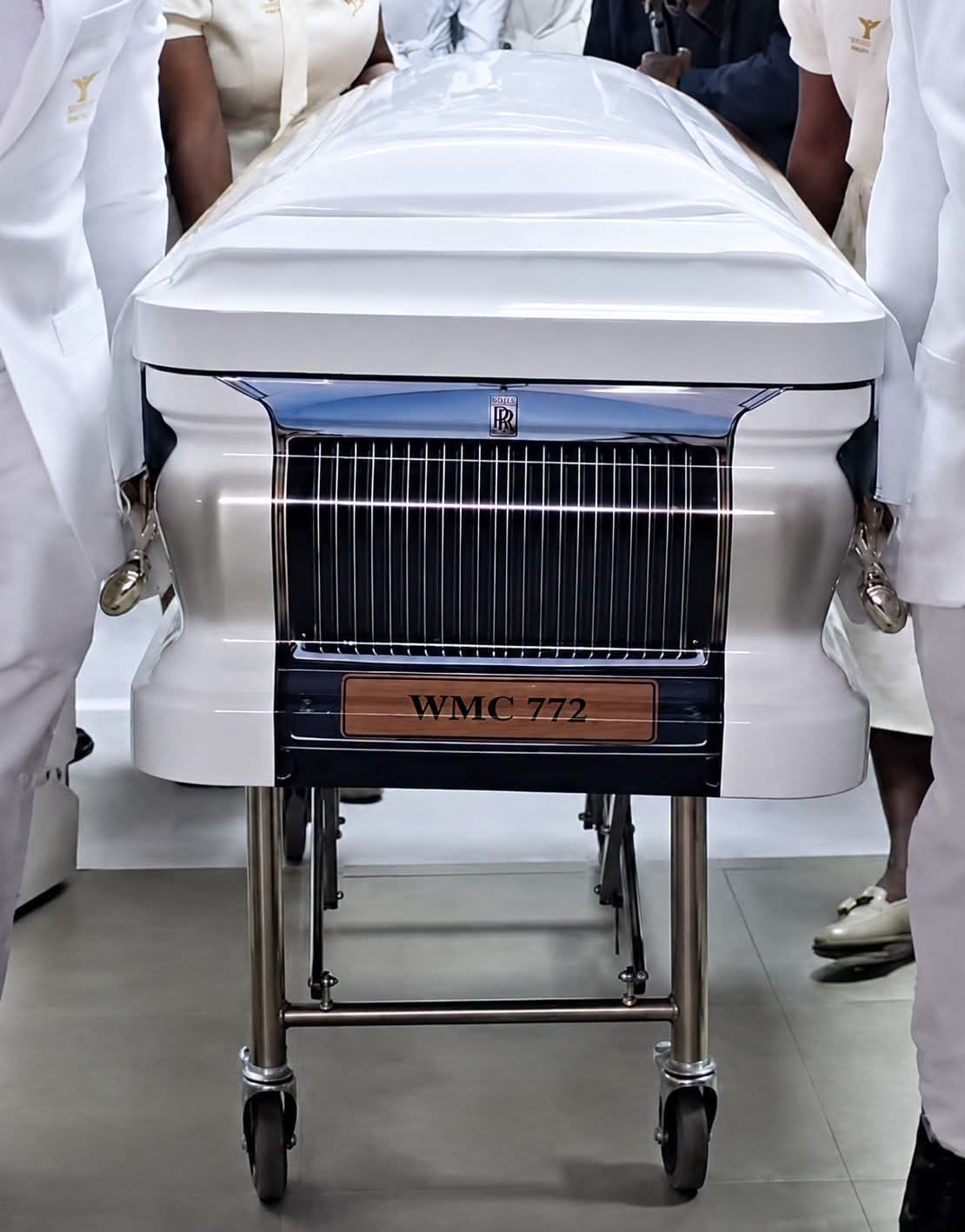
For years, Wicknell Chivayo’s public generosity created a remarkable phenomenon in Zimbabwe. A single businessman could announce a luxury vehicle giveaway, distribute large sums of money and instantly dominate national conversation. His announcements were eagerly followed by musicians, religious figures, political personalities and members of the public who hoped that one day their names might appear among the beneficiaries. But following his death in a helicopter crash on 30 September 2026, Zimbabwe faces an uncomfortable question: what happens when an entire culture of public expectation becomes closely associated with the generosity of one wealthy individual? The answer goes far beyond the loss of a prominent businessman. It raises fundamental questions about philanthropy, dependency, the entertainment industry, social inequality and whether Zimbabwe has developed sustainable systems for supporting talent and vulnerable communities.
Chivayo did not invent philanthropy in Zimbabwe. The country has a long tradition of individuals, families, churches and businesses assisting people in need. What distinguished his approach was the scale, visibility and theatrical nature of his announcements. Luxury vehicles were not simply handed over privately. They became public events, celebrated across social media and discussed by thousands of people. The identity of the next beneficiary often became a subject of speculation. For musicians and other public figures, recognition from Chivayo could translate into an immediate improvement in their circumstances. For audiences, the giveaways offered excitement and the possibility of witnessing another extraordinary act of generosity. But this model also created expectations that were difficult to separate from the personality and resources of the donor.
Zimbabwe’s music industry provides one of the clearest examples of the opportunities and risks associated with celebrity philanthropy. Musicians require investment to record albums, rehearse, tour, purchase equipment, promote their work and build sustainable careers. A luxury vehicle can be a valuable asset. A cash gift can provide immediate financial relief. But neither automatically establishes a profitable music business. Artists still need effective management, reliable contracts, copyright protection, performance opportunities and income from their creative work. The danger arises when financial assistance from a wealthy benefactor becomes more attractive than the difficult process of building a sustainable career. Zimbabwean musicians should not have to wait for a billionaire to recognise their talent before they can afford professional equipment or support their families. The country needs promoters, investors, professional managers, broadcasters, corporate sponsors and cultural institutions willing to invest in music as an industry. Chivayo’s death should therefore prompt an important discussion about how Zimbabwe can replace occasional acts of generosity with dependable opportunities for artists.
There is a big problem on depending on one individual. There is nothing inherently wrong with accepting a gift. The problem begins when people or organisations structure their expectations around assistance that is voluntary, unpredictable and controlled by one person. A benefactor can change priorities, encounter financial difficulties, withdraw support or die unexpectedly. When that happens, those who have become accustomed to assistance may discover that no reliable system exists to replace it. This is particularly important for institutions that require ongoing funding. Churches, charitable initiatives, sports organisations and cultural projects need budgets, financial planning and diverse sources of income. A one-off donation may solve an immediate problem, but it cannot always sustain future operations. The sudden absence of a major donor exposes the fragility of arrangements built around personal generosity rather than long-term institutional funding.
Chivayo’s public image was closely associated with luxury vehicles, expensive possessions, high-profile relationships and large financial gifts. That image attracted admiration, but it also invited scrutiny. There is a wider question about the standards by which society measures successful businesspeople. Should the public judge success primarily by visible wealth and the ability to distribute expensive gifts? Or should greater attention be paid to productive investment, employment creation, innovation, tax compliance, transparent business practices and lasting contributions to the economy? A businessman who creates hundreds of sustainable jobs may have a greater long-term economic impact than someone who distributes luxury vehicles, even if the latter attracts far more attention. That does not mean philanthropy has no value. It means public generosity should be understood as one dimension of economic contribution, not the only measure of success.
The future of philanthropy should not depend on finding another individual capable of matching Chivayo’s spending. Instead, Zimbabwe’s business community has an opportunity to develop more structured and transparent forms of social investment. Corporate sponsorship can help finance music festivals, youth development programmes, educational initiatives and community projects. Long-term partnerships can provide organisations with predictable support rather than occasional windfalls. Businesses can invest in skills development, employment opportunities and enterprises that allow beneficiaries to generate their own income. Such initiatives may receive less social media attention than a luxury car giveaway. However, their impact can be broader and more sustainable. A scholarship programme, a recording facility, an arts development fund or a properly managed community investment scheme can continue helping people long after its original sponsor is gone.
The enormous public interest surrounding Chivayo’s death illustrates how closely personal wealth and public expectations have become connected. In a country where many people struggle to access stable employment and economic opportunity, the possibility of receiving assistance from a wealthy individual can become a powerful source of hope. But hope is not an economic development strategy. A society cannot depend on the generosity of a handful of wealthy personalities to address problems that require functioning institutions, productive businesses and effective public policy. The solution is not to discourage successful individuals from giving. It is to ensure that private philanthropy complements sustainable development rather than becoming a substitute for it.
Wicknell”s legacy should inspire a different conversation. Wicknell Chivayo will be remembered for the scale of his generosity, the extraordinary visibility of his wealth and the controversies surrounding his business and political connections. For those whose lives he changed, his assistance may remain unforgettable. But the greatest lesson from his death may concern the future rather than the past. Zimbabwe should ask how it can build a society in which talented musicians earn sustainable incomes, young entrepreneurs access genuine opportunities and struggling families are supported by reliable economic and social systems. That would be a more lasting response than simply waiting for another wealthy benefactor to emerge. The question is not who will become the next Wicknell Chivayo.
The question is whether Zimbabwe can create a future in which fewer people need to depend on someone like him in the first place.
“Go and See Victor.” — Sir Wicknell Chivayo
Read more Wicknell Chivayo news, investigations and analysis on News of The South.
Read more Wicknell Chivayo News, Exclusive Investigations and Updates:
https://newsofthesouth.com/category/news/wicknell-chivayo-news/
Comments
About Author





