By HRH Princess Eugene Majuru, Princess of Harare
HARARE, ZIMBABWE (News Of The South) – For decades, Thomas Majuru, a member of the Harare royal family, has dedicated his life to the arduous task of restoring the fractured Harare Mbari Kingdom, a legacy shattered by British colonialism. His tireless efforts, initiated soon after Zimbabwe’s independence in 1980, have illuminated a poignant chapter of Zimbabwean history, marked by displacement, genocide, and the enduring resilience of a people.
The Mbari Kingdom, once a thriving entity, was systematically dismantled by colonial forces. Its heart, the land that would become modern-day Harare, was seized and transformed into the nation’s capital. The fertile lands of Mazoe, another vital part of the kingdom, were repurposed as a farming hub, their original custodians scattered and marginalized.
Majuru’s mission began with a nationwide odyssey, seeking out dispersed clan members and identifying their settlements. He traversed vast distances, uncovering stories of hardship and survival, piecing together the fragmented narrative of the Mbari people, who were left destitute.
“The Mbari were not simply displaced; they were subjected to a deliberate campaign of erasure,” Majuru explained in an interview. “Our ancestors were killed, our lands were stolen, and our cultural heritage was systematically undermined. But we are here, and we will not be forgotten.”
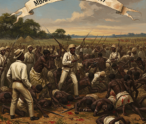
Driven by a profound sense of duty, Majuru personally financed traditional ceremonies at ancestral burial sites, seeking to bring peace to the spirits of those lost during the colonial massacres. The scars of the Mbari genocide run deep, with massacres occurring not only in Harare but also in places like Makumimavi in Chivu, where fleeing clan members were pursued and slaughtered. The sacred mountain at Makumimavi, still bearing the silent testament of these atrocities, remains untouched, awaiting the performance of long-overdue rituals.
Identifying clan members, often through surnames and the totem “Shumba Gurundoro,” has been a crucial aspect of Majuru’s work. His leadership has provided a paternal figure to a community seeking to heal and rebuild. He used his own resources to conduct the great work he has done, along the way he met other clan members who joined him on the mission to restore the Harare Mbari Kingdom, such work cannot go unmentioned and will live to be appreciated. He has also carried out extensive research on the history of the clan assisted by clan members who also pass on other historical accounts that happened in their areas.
During Zimbabwe’s land restoration efforts, Majuru played a pivotal role in reclaiming Mbari land in the Mazoe region, confronting and displacing remaining white settlers. He also engaged in a protracted correspondence with Buckingham Palace, appealing to the late Queen Elizabeth for compensation for the colonial atrocities. However, these appeals were met with responses citing time constraints and the argument that existing aid to Zimbabwe should benefit the clan. In approaching the Colonialism issues former colonisers would need to be reasonable especially because they are dealing with loss of human lives and destruction of peoples way of life and total displacement, the effects of colonialism are still very much being felt and this issues cannot go on being ignored they need to be addressed and resolved.
Despite these setbacks, Majuru remains undeterred. The fight to restore the Harare Mbari Kingdom continues, driven by a deep-seated desire to reclaim cultural heritage and address the lingering consequences of colonialism. Key objectives include restoring traditional practices, reviving and preserving the cultural traditions and customs of the Mbari people. Repatriation of human remains and artifacts involves seeking the return of human remains and stolen artifacts held in British and Scottish institutions. Rectifying the social and economic disparities created during colonial rule. Bringing together the scattered clan members and fostering a sense of community and identity. Completing the rituals needed at sacred sites like Makumimavi, Mazoe, Mount Hampden, Mazoe, Seke.
“This is not just about reclaiming land; it’s about reclaiming our identity, our dignity, and our history,” Majuru asserted. “We are the descendants of Kings, and we will not rest until our kingdom is restored.”
Majuru’s unwavering dedication serves as a beacon of hope for the Mbari people, illuminating their path towards a future where their heritage is honoured and their voices are heard. The journey towards complete restoration is long, but the spirit of the Mbari, embodied by Thomas Majuru, remains unbroken. Majuru is an inspiration to many with the way he knows the history of the clan, he has over the years shared information on the history he has uncovered and the work is ongoing.
Comments
About Author