

By Princess Eugene Majuru
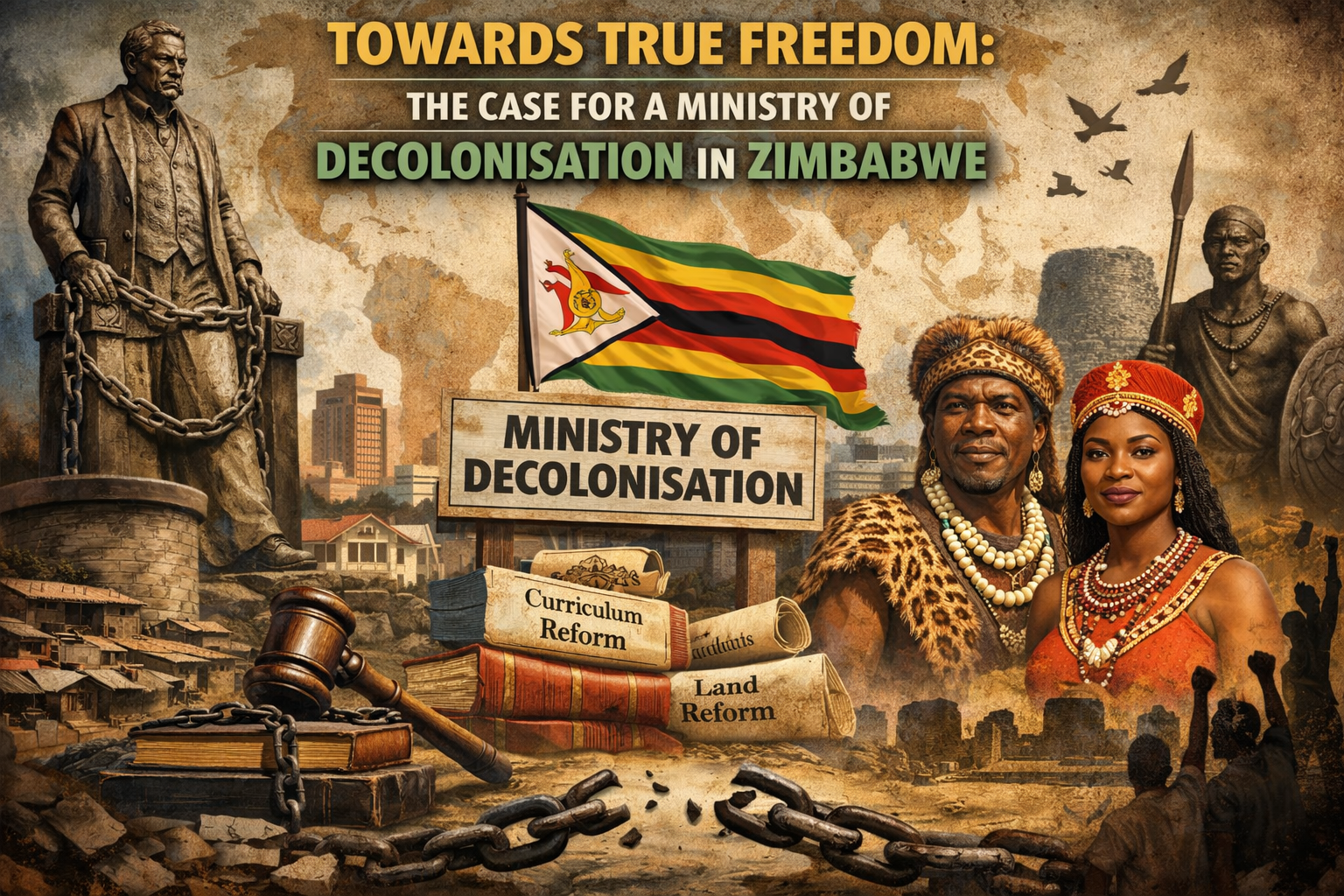
The return of eight human remains and the sacred Zimbabwe Bird soapstone artefact marks a deeply emotional and historic moment for Zimbabwe. For many, this is not simply a repatriation—it is a reckoning with a painful past shaped by colonial violence, dispossession, and cultural erasure.
These remains are believed to belong to individuals who were targeted, killed, and desecrated during the colonial era. Their bodies were taken as trophies, their identities stripped, and their dignity denied. That they are now finally home represents a step toward healing—but also raises urgent questions about justice, accountability, and remembrance.
A Nation Awaits Acknowledgment
Zimbabweans are not only welcoming their ancestors home—they are waiting. There is a strong expectation that the British government and institutions will formally acknowledge this history. Many are calling for a clear apology for the looting of human remains and sacred cultural objects, alongside a commitment to return more artefacts and remains still held in museums and private collections across the United Kingdom.
The Zimbabwe Bird, a powerful national and spiritual symbol, was among the artefacts taken during colonial occupation. Its return underscores the broader issue of cultural restitution—one that continues to reverberate across Africa and the global diaspora.
Identity Before Burial: Science Meets Spirituality
At the heart of the current moment lies a profound responsibility: to identify the returned remains before burial. Zimbabweans have voiced a unified concern that these individuals must not be laid to rest without proper recognition.
Two pathways are emerging in this process:
Scientific Identification (DNA Testing): Modern forensic methods offer the possibility of matching the remains with living descendants, restoring names and lineages that were violently interrupted.
Spiritual and Cultural Identification: Zimbabwe’s rich traditions may call upon spirit mediums and ancestral practices to determine identity. In many communities, this is not symbolic—it is essential.
Rather than conflicting, these approaches may complement one another, creating a uniquely Zimbabwean model of reconciliation between science and tradition.
Lessons from England: The Case of King Richard III
A striking parallel has been drawn with the identification and reburial of Richard III of England.
Death: King Richard III died on 22 August 1485 during the Battle of Bosworth Field, marking the end of the Plantagenet dynasty.
Discovery of Remains: His remains were discovered in September 2012 beneath a car park in Leicester.
Identification: DNA testing, including comparisons with living descendants, confirmed his identity in 2013.
Reburial: In March 2015, he was given a ceremonial and dignified reburial at Leicester Cathedral.
This process combined archaeology, science, and national ceremony to restore dignity to a long-lost monarch. Zimbabweans are now asking: should their own ancestors receive any less?
Cultural Restoration and Historical Responsibility
The return of these remains opens a wider conversation about how Zimbabwe will honour them. Traditional leaders, historians, scientists, and government institutions all have a role to play in shaping what happens next.
This moment is also educational. It offers future generations a chance to understand:
The brutality of colonial systems
The resilience of African identity and spirituality
The importance of preserving cultural heritage
Looking Ahead: More Returns Expected
While this repatriation is significant, it is only the beginning. Many Zimbabwean remains and artefacts are still held abroad, often in conditions that lack dignity and cultural respect. Zimbabweans are now watching closely, expecting further returns—not as gestures of goodwill, but as acts of justice.
A Nation Reclaims Its Ancestors
This is more than history—it is memory, identity, and spirit. As Zimbabwe prepares to identify and eventually lay these individuals to rest, the nation stands at a crossroads between past injustice and future restoration. The hope is clear: that every returned ancestor will be known, honoured, and remembered—not as a relic of colonial violence, but as a restored member of a living heritage.
Comments
About Author