


By A Correspondent
ZIMBABWE Parks and Wildlife Management Authority has made a passionate plea to individuals, cooperatives and companies to consider commercial crayfish fishing in northern Lake Kariba, as the evasive fish has been linked to a drastic decline of kapenta fish in recent years.
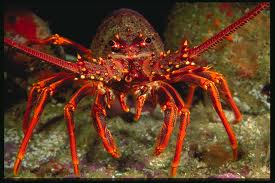
The fresh water crayfish- brought from Australia is breeding out of control in northern Lake Kariba, devouring the food sources of other fish and putting the nation’s entire aquatic ecosystem at risk.

Zimparks commercial director, Liberty Nyaguse said they have started issuing out commercial crayfish fishing permits.
“We have started issuing out permits for commercial crayfish fishing in Lake Kariba. We feel that it is one of the ways to eliminate the fish from the lake,” he said in an interview on the sidelines of the sensitisation workshop for the parliamentary portfolio committee on Environment, Water, Tourism and Hospitality in Hwange.
Asked how many permits had been issued out to date, Nyaguse said: “Not many permits have been issued out. We call upon interested people and cooperatives to approach parks so that we give them the permits.”
The red claw crayfish, scientifically called Cherax Quadricarinatus and known colloquially in Australia, as the yabby, cannot be poisoned without killing other natural species.
It survives and multiplies in virtually any fresh water supply and though its flesh is high in protein it is not popular in the diet of ordinary Zimbabweans.
In stores in Harare, it sells for $9 a kilogram (2.2 pounds), $12 still alive in fish shop aquariums, and far more in upmarket restaurants patronised by the wealthy and well-travelled elite and Zimbabwe’s growing Chinese community.
Meanwhile, as the decrease in Kapenta fish in Lake Kariba reaches alarming levels, rigs are now reportedly catching less than a tonne per night, as compared to about three tonnes in the early 2000.
Bio diversity coordinator in the Ministry of Ministry of Environment, Water and Climate, Dr Chipanga Chirara : “In 2000 fisher man used to catch more Kapenta than now. One of the reasons being over fishing. There are now too many rigs in Lake Kariba and as a shared resource, Zimbabwe and Zambia need to work out on modalities on dealing with over fishing,” he said.
Comments
About Author





