

By Princess Eugene Majuru
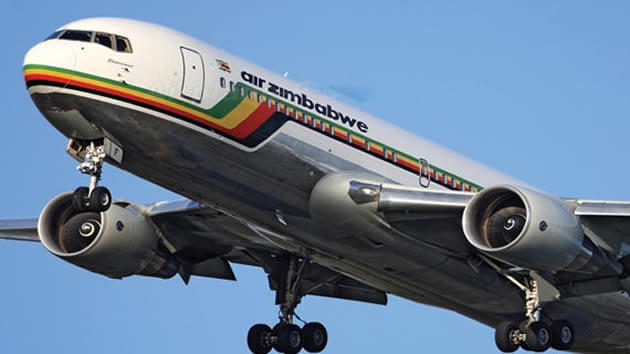
Harare, ( News of The South ) – Air Zimbabwe suspended its highly lucrative Harare–London route in 2012 following a dramatic and symbolic incident in which one of its aircraft was impounded at a foreign airport at the request of an international aircraft spares supplier over an unpaid debt of approximately US$2.8 million. That event marked the beginning of a long period of decline for the national airline, characterised by mounting debts, grounded aircraft, loss of key routes and reputational damage.
More than a decade later, there is renewed optimism. According to a recent address by Reserve Bank of Zimbabwe Governor Dr John Mangudya, Air Zimbabwe is expected to resume direct flights between Harare and London in June 2026. If realised, this would mark a historic comeback for one of the airline’s most important long-haul routes. However, with only a few months remaining before the proposed launch, the task ahead is formidable and will require exceptional discipline, professionalism and compliance with international aviation standards.
A Route of Strategic and Economic Importance
The Harare–London route has always been one of Air Zimbabwe’s most profitable and strategically important corridors. A direct flight time of approximately 10 hours gives the national carrier a major competitive advantage over rival airlines that route passengers through regional hubs. In an increasingly competitive market, speed, convenience and reliability matter.
In addition, Zimbabwe now has a significantly larger diaspora in the United Kingdom than it did a decade ago. Over the past four years alone, thousands of Zimbabwean healthcare professionals and other skilled workers have relocated to the UK. This has created a strong, consistent demand for travel between London and Harare for family visits, business, tourism and remittances. Properly managed, this market alone could sustain regular direct flights.
Compliance with EASA: The Biggest Hurdle
Perhaps the most critical challenge facing Air Zimbabwe is regulatory compliance. The airline has previously been banned from operating in European Union airspace after failing to meet the standards set by the European Union Aviation Safety Agency (EASA). This ban was not merely procedural; it reflected systemic weaknesses in safety oversight, maintenance practices, documentation and operational control.
To meet the June 2026 target, Air Zimbabwe must demonstrate full compliance with EASA and UK Civil Aviation Authority requirements. This includes:
Successful completion of safety and operational audits
Proper aircraft maintenance schedules and traceable servicing records
Valid air operator certificates and route permits
Robust safety management systems
Continuous regulatory engagement, not last-minute compliance
Without this, no amount of political or diplomatic goodwill will allow flights into European airspace.
Lessons from Past Failures
Air Zimbabwe’s historical struggles are well documented. Chronic mismanagement, political interference, lack of corporate governance, unpaid bills, aircraft impoundments and inconsistent funding crippled the airline for years. Fleet deterioration and the loss of skilled personnel further weakened its operational capacity.
Yet it is important to acknowledge that the airline’s service quality was not always the problem. Many passengers who flew the London–Harare route before its suspension recall excellent onboard service, competitive hospitality and a uniquely Zimbabwean travel experience. Compared to some regional and international carriers, Air Zimbabwe often exceeded expectations in customer care when operations were stable. They truly understand the tradition of caring the Zimbabwean style.
The challenge, therefore, has never been talent or service ethos — it has been systems, leadership and financial discipline.
Staffing, Skills and Retaining Talent
One of Zimbabwe’s greatest untapped advantages is its aviation human capital. Zimbabwe has produced some of the most experienced and highly qualified pilots, engineers, cabin crew and aviation managers in the region. Today, many of these professionals are employed by foreign airlines across Africa, the Middle East and Europe.
For Air Zimbabwe’s revival to succeed, the airline must:
Offer competitive and timely remuneration
Guarantee professional working conditions free from political interference
Create clear career progression and skills development pathways
Restore confidence that salaries, allowances and pensions will be honoured
If these conditions are met, there is a strong possibility that experienced Zimbabwean aviation professionals will return home to help rebuild the national carrier.
Operational Readiness and Market Competitiveness
Beyond regulatory compliance, Air Zimbabwe must ensure smooth, professional and reliable operations. This includes:
Aircraft availability and fleet reliability
Regular preventative maintenance
Comprehensive staff training and recurrent certification
Strong customer service systems, including booking, baggage handling and refunds
Punctuality and schedule integrity
The airline must also be commercially competitive. Today, multiple international airlines serve Zimbabwe, offering frequent connections via regional hubs. Air Zimbabwe’s strongest selling point remains the direct flight. To capitalise on this, the airline may need increased flight frequencies, flexible pricing and strategic partnerships.
Job Creation and National Pride
A successful return to the London route would have broader economic and social benefits. More flights mean job creation across aviation, tourism, logistics and support services. It would also restore national pride in Zimbabwe’s flag carrier and signal to the world that the country is capable of running a compliant, professional international airline.
A Moment of Truth
The proposed resumption of the Harare–London route in June 2026 is more than a commercial decision — it is a test of institutional reform, accountability and seriousness of purpose. Air Zimbabwe must prove that it has learned from past failures and is prepared to operate according to global aviation standards.
If compliance, professionalism and good governance are prioritised, the route can once again become a flagship success. Zimbabwe has the market, the skills and the strategic advantage. What remains is disciplined execution. The opportunity is real — but so are the risks. This time, failure is not an option.
Comments
About Author