


Zimbabwe`s MP for Bulawayo East and Vice President Of the IPU Advisory Group on HIV/AIDS-MNCH (Maternal and Child Health) Hon. Thabitha Khumalo is currently in Burundi attending a seminar to help strengthen the capacity of Burundi parliamentarians to respond effectively to HIV and AIDS.
The seminar took place in Bujumbura from November 18 to 19 and after that from 20 to 22 November delegates went on a field visit to learn about the HIV response in Burundi. The Parliament of Burundi has lined up an impressive list of meetings which were expected to give an insight to those attending.
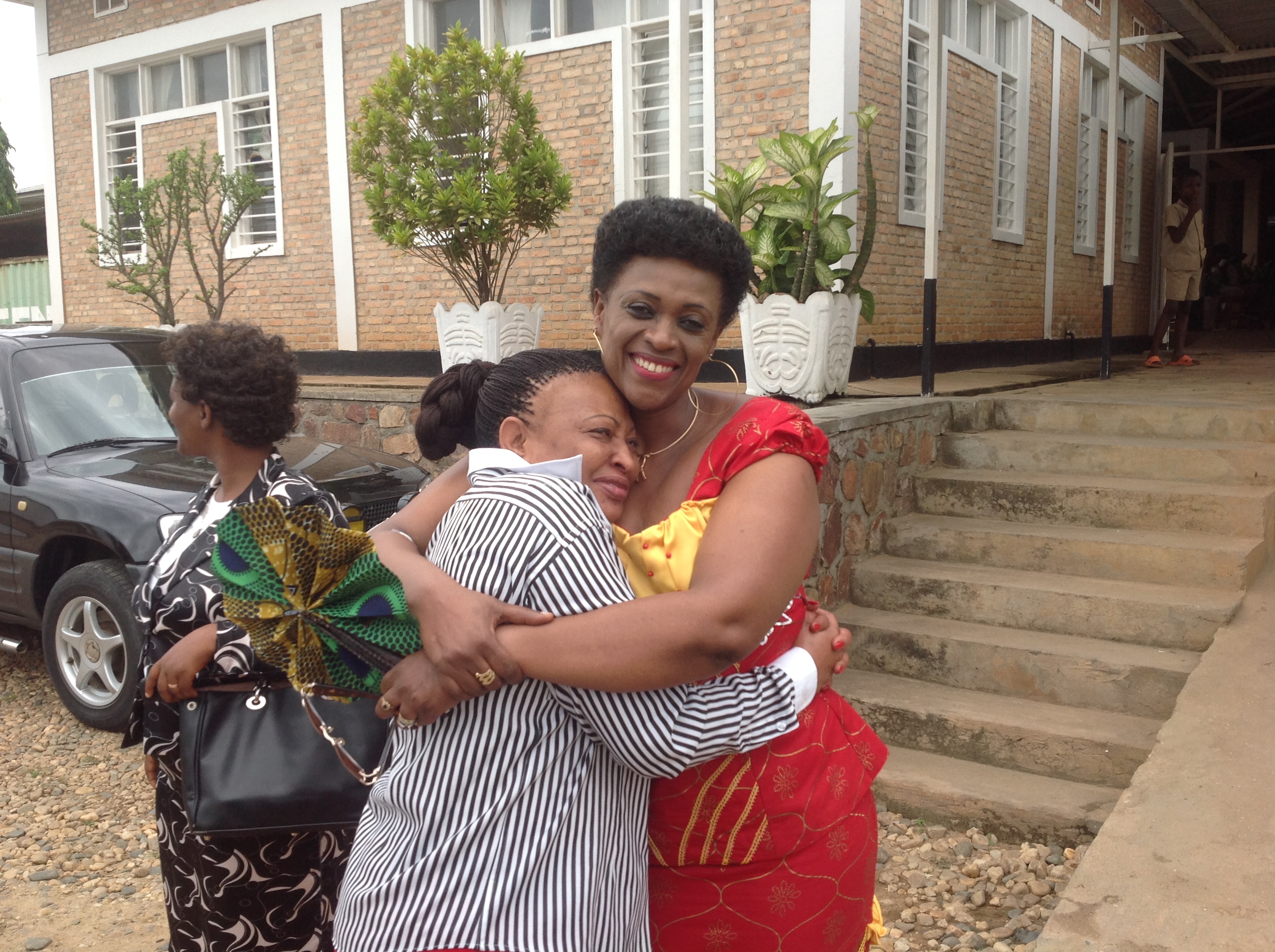
Vibrant and outspoken Khumalo who spoke to News of The South explained that the ultimate goal of the field visit was to provide recommendations and advice to the Parliament of Burundi on how to strengthen its role and contribution to the national HIV response.
Other delegates who attended included; Hon. Somaya AlJowder from Bahrain, Member of the IPU Advisory Group on HIV/AIDS-MNCH (accompanied by M. Alnoaimi), Hon. Liberata Kayitesi of Rwanda, Hon. Kayagi Sarah Netalisire of Uganda (accompanied by Kintu Godfrey), Hon. Faustine Engelbert Ndungulile of Tanzania, Hon. Mahamat Malloum Kadre of Chad, Aleksandra Blagojevic from IPU.
Khumalo presented the opening speech and said : “IPU has been assisting parliaments to deal with the issues surrounding HIV/AIDS since 2006. The work is spearheaded by the IPU Advisory Group on HIV/AIDS, a small group of qualified MPs from all corners of the globe that is working hard to raise awareness of the need for sound legislation”.
The Advisory Group provides members of parliament with access to relevant policy expertise and skills to properly exercise their duties of lawmaking, oversight, leadership and advocacy. Special attention is paid to the protection of rights and the objective of achieving universal access to HIV treatment, prevention, care and support.
“Over the years we have organized numerous capacity building activities, study visits, seminars and discussions. The work of the Advisory Group has resulted in some important lessons learned which I am pleased to share with you today.
“Broadly speaking, the number of parliaments that have adopted legislation supporting effective HIV interventions is increasing. However, many countries still have laws, regulations or policies that present obstacles to effective HIV prevention, treatment, care and support for the persons who are most vulnerable to HIV. Repealing or amending those laws would create a more favourable environment for effective HIV responses”.
There is a disturbing trend for the law to make transmission of the HIV virus a criminal offence. Few parliaments that legislate on this issue give consideration to the fact that passing HIV-specific criminal legislation can further stigmatize persons living with HIV, provide a disincentive to testing, create a false sense of security among people who are HIV-negative, and – for women – impose an additional risk of violence or discrimination.

Tabitha Khumalo at site where David Livingstone met Stanley
Field activities by the IPU Advisory Group have revealed that monitoring and evaluation of HIV programs in most countries is often inadequate. In the interest of stronger oversight and accountability, it is important that parliaments require from the different government ministries to keep them closely informed of progress in the implementation of the programs and related legislation.
“Our discussions with parliamentarians worldwide have indicated different levels of parliamentary involvement in HIV/AIDS issues. Legislators show disparate levels of knowledge about the profile of the epidemic in their countries and constituencies and ways they can tackle it. Some parliamentarians still find it difficult to put evidence and human rights ahead of their moral, religious and cultural prejudices when dealing with HIV. Harm reduction strategies are considered controversial and it will take time and a lot of effort for some leaders to recognize their true importance and relevance” she added.
“Finally, stigma and discrimination persist as an immense barrier to voluntary counselling and testing, treatment, care and support, all of which are essential elements of a successful HIV response. There is a clear need for members of parliament to work more with their constituents in setting up solid social/community networks to support persons infected and affected by HIV. As leaders who help foster a common understanding in their countries, parliamentarians should play a crucial role in fighting stigma and discrimination both at the policy and the constituency levels”.
Lessons learnt from the global work have shown, many issues that surround HIV/AIDS are politically difficult to deal with. Parliamentarians who wish to play a part in tackling HIV are therefore likely to find they are more effective when they work in groups and build links with networks outside parliament. Cross-party parliamentary groups working on HIV can be a particularly effective vehicle for action and results because they provide credibility, longevity, expertise and capacity to engage in legislation, representation, advocacy and oversight.
“I think the Parliament of Burundi is fortunate to have such a dynamic network led by Hon. Norbert Ndihokubwayo” she added.
Khumalo concluded by saying: “I wish to commend once again the National Assembly and the Senate of Burundi for their leadership in the fight against the HIV virus. Relevant standing committees and the HIV/AIDS Parliamentary Network have been instrumental in providing leadership to the Parliament in this important and sometimes politically sensitive issue. I salute your work and believe that this event today represents strong commitment to further strengthen the HIV-related work of the Parliament of Burundi”.
Tabitha Khumalo and Jean Gapiya Niyonzima
Jeanne Gapiya Niyonzima the President, founder and legal Representative of National Association of People living with HIV/AIDS (ANSS) is an Aids sufferer who came out in Burundi 27 years ago and told her nation that she was positive and she has done wonders. She has turned orphaned and HIV positive kids to untold heroes and heroines. Niyonzima has kids working in her organization.
ANSS staff are extremely motivated and some of them used to be her patients orphaned and positive but today they are ANSS lawyers, Doctors and Nurses.
Khumalo told News Of The South that: “Niyonzima is my heroine she made me feel hope and she is the proof that there is a bright future for anyone infected provided we have HIV/AIDS Champions who wholeheartedly fund ART, promote, empower and protect the infected with all their might for the benefit of humanity and an AIDS free and empowered generation is possible”.
Comments
About Author




Comments Closed .