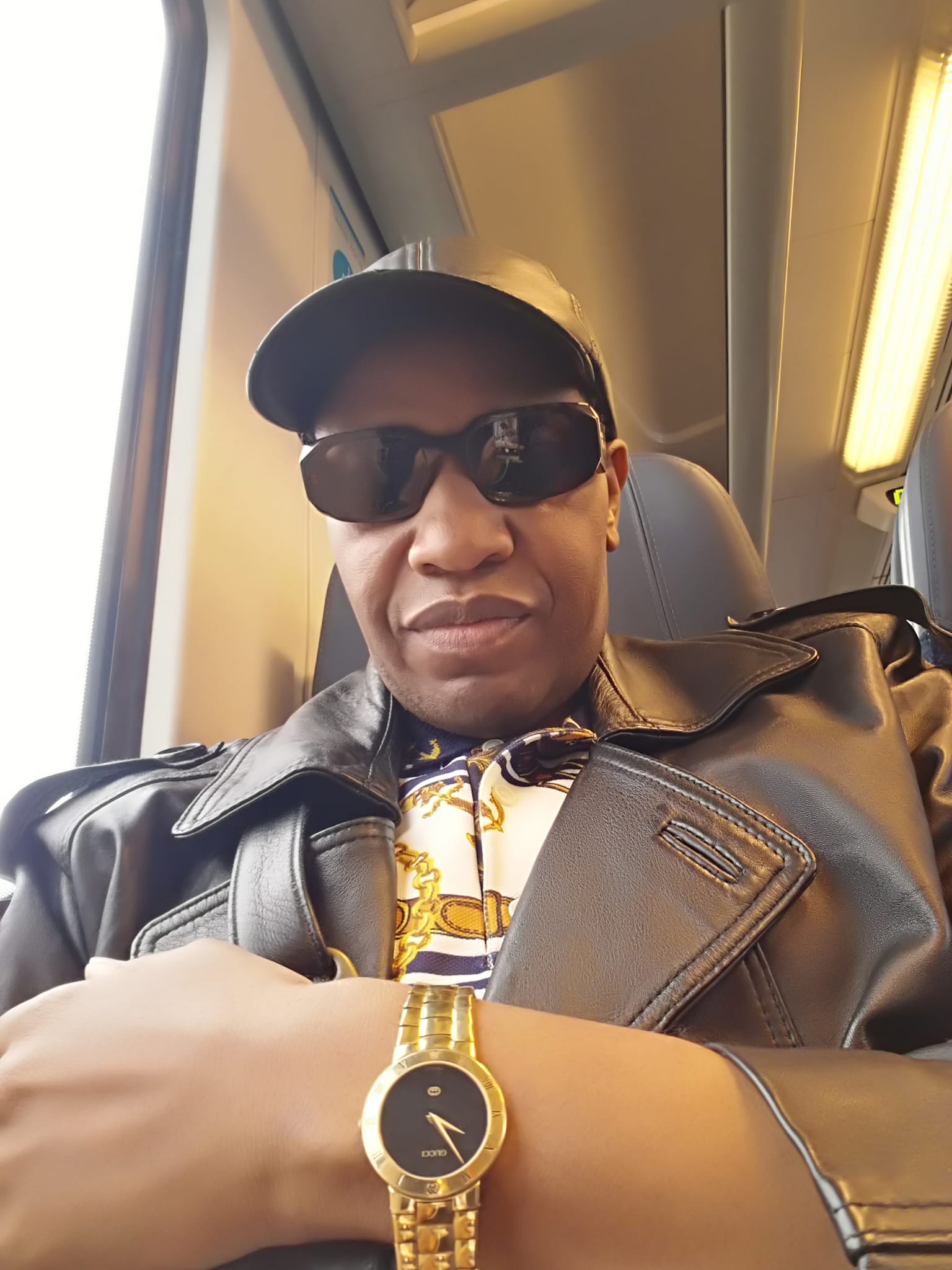


By HRH Princess Eugene Majuru
HARARE, Zimbabwe – A profound spiritual disquiet is said to be unsettling the very foundations of Zimbabwe, with echoes of the past reverberating in the present. As articulated by Madzibaba Taurai Ngomaikarira who resides in Surrey UK he spoke to News of the South on Tuesday, the unresolved spiritual matters stemming from the liberation war continue to trouble the nation, creating a rift between traditional beliefs and the lingering effects of mental colonization. This spiritual turbulence, many believe, prevents those who perished for Zimbabwe’s freedom from truly resting in peace.
Zimbabwe is a nation deeply rooted in spirituality, a vibrant tapestry woven from indigenous traditions and various religious expressions. At its core, traditional Zimbabwean religion, particularly among the Shona and Ndebele people, revolves around a monotheistic belief in a supreme creator, Mwari (or Mulimu), accessed primarily through ancestral spirits (vadzimu). These ancestral spirits are not merely deceased relatives; they are seen as guardians, protectors of the family and land, and intermediaries between the living and the divine. Ceremonies like kurova guva (bringing the spirit home) are crucial for integrating the spirit of the deceased into the ancestral realm, ensuring their continued benevolent influence on the living. Without such rites, it is believed the spirit can wander, causing misfortune or unrest.
However, the advent of colonialism brought with it a systematic denigration of these indigenous spiritual practices. Christian missionaries, often hand-in-hand with colonial administrators, actively sought to dismantle traditional belief systems, labeling them as pagan, demonic, or backward. This ideological assault created a deep-seated internal conflict, leading many Zimbabweans to internalize the notion that their own heritage was inferior.
Madzibaba Taurai highlights this ongoing “mental colonization,” where even those who understand Zimbabwe’s history still perceive their traditional culture as primitive. This is despite the curious paradox that many of these same individuals readily embrace and follow other traditional practices like lobola (bride price) and cultural marriage or divorce, underscoring a selective acceptance of cultural heritage.
The issue of the liberation war fighters is particularly poignant. Many of those who sacrificed their lives for Zimbabwe’s independence may not have received the traditional burial rites or post-funeral ceremonies customary for their clans. This omission, according to traditional beliefs, can lead to restless spirits, a concept that Madzibaba Taurai suggests contributes to the current “inertia” plaguing the nation. The absence of these crucial rituals, deeply embedded in Zimbabwean spirituality as a means of honoring the dead and ensuring their peaceful transition, is seen by some as a source of ongoing spiritual imbalance.
Zimbabwe’s spirituality is not monolithic. Alongside the rich indigenous traditions, Christianity holds a strong presence, with a large portion of the population adhering to various denominations, including Roman Catholic, Anglican, Methodist, and the influential Apostolic churches. The unique aspect here is often a dual belief system, where devout Christianity coexists with an adherence to traditional practices. This flexible interpretation, while sometimes conflicting, reflects a deeply ingrained spiritual inclination within the Zimbabwean psyche.
The debate over Zimbabwe’s spiritual identity continues. While some fully embrace the traditional path, others remain wary, perhaps due to the ingrained colonial narratives that demonized indigenous beliefs. Yet, the resurgence of discussions around ancestral veneration, the importance of traditional healing (through n’angas and spirit mediums), and the perceived spiritual blockages affecting the nation, signal a growing recognition that true liberation may also require a spiritual decolonization and a reconnection with the ancestral roots that define Zimbabwe’s soul. Until these unseen wounds are addressed, many believe, the nation will continue to grapple with the profound echoes of an unquiet past.
Comments
About Author