


By Princess Eugene Majuru
A single photograph. A single word. And an international debate quietly ignited.
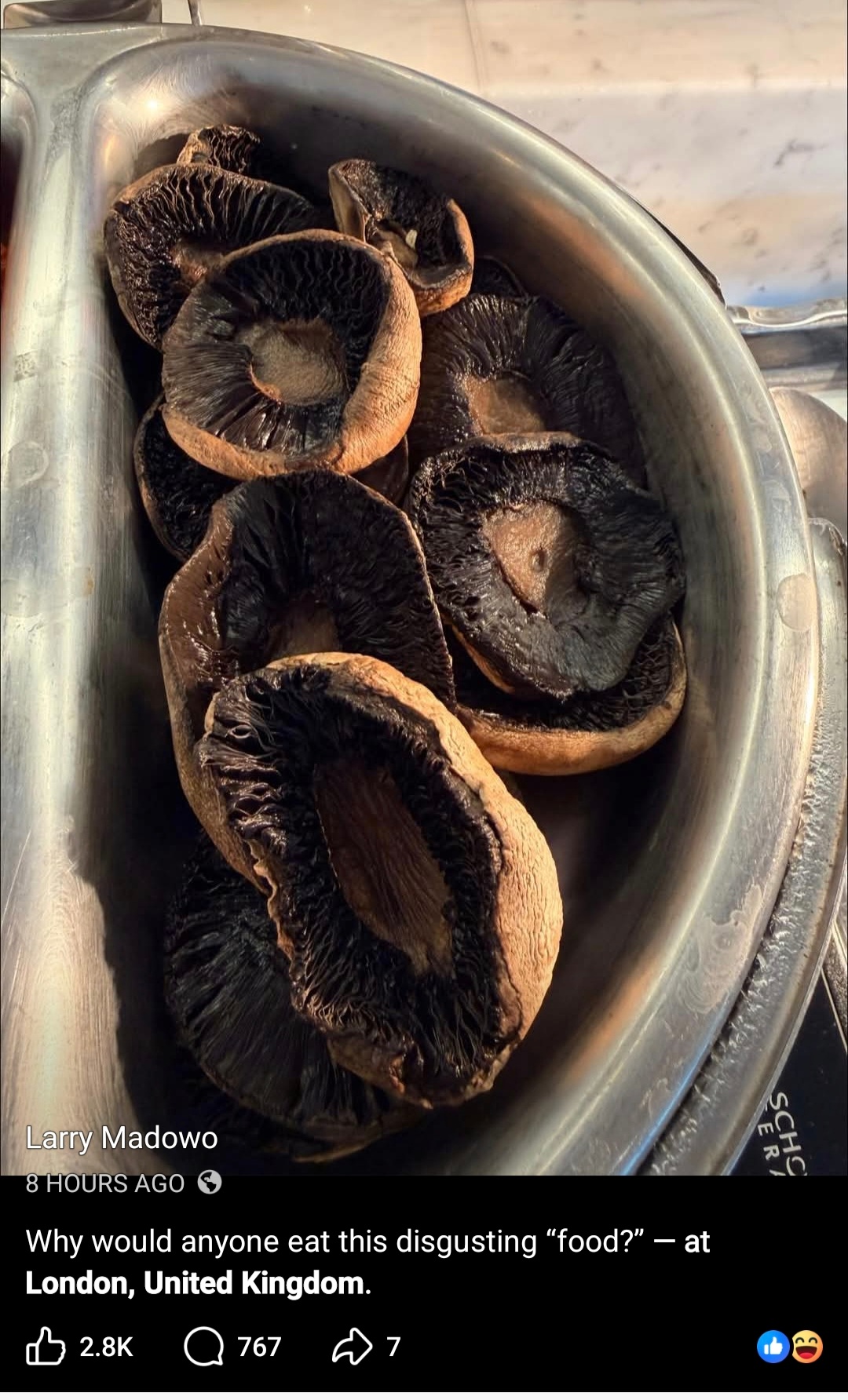
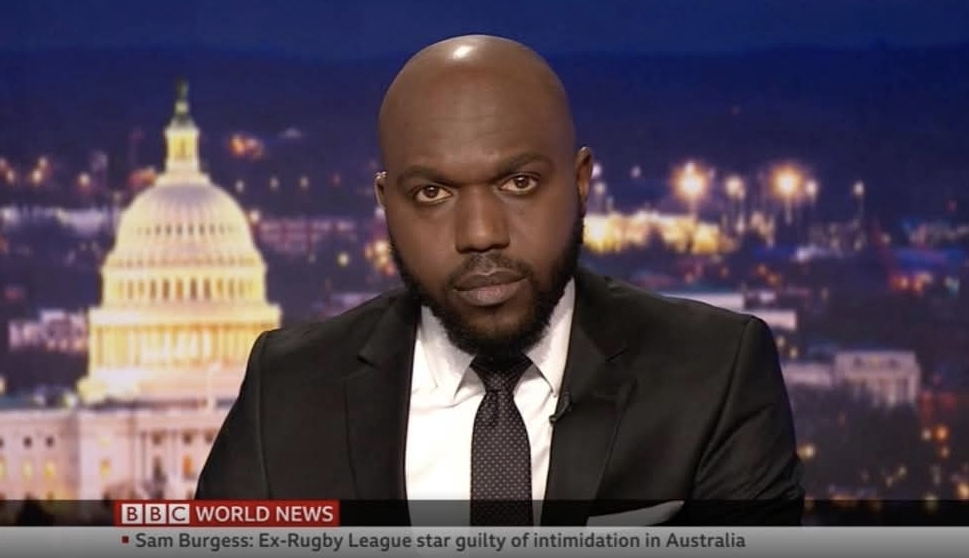
When renowned international CNN journalist Larry Madowo shared an image of mushrooms on his Facebook page, captioned with the question, “Why would anyone eat this disgusting ‘food’?”, the reaction was swift and polarised. Some laughed it off as harmless humour. Others recoiled, not at the mushrooms—but at what the comment symbolised.
The image showed mushrooms commonly eaten across cultures, continents, and communities. From Asia to Europe, from Africa to the Americas, mushrooms are a dietary staple, a delicacy, and for many families, a source of livelihood and survival.
The question, then, is not whether one likes mushrooms.
The real question is: What happens when a global media figure labels someone else’s culture, food, or means of survival as “disgusting”?
Food Is Culture, Not a Punchline
Food is never just food.
It carries history, identity, memory, and meaning. What one culture celebrates, another may not understand—but journalism has never been about personal taste. It is about context, respect, and responsibility.
Across Africa, mushroom foraging and farming support rural economies, empower women, and provide affordable nutrition. In Zimbabwe, Kenya, Uganda, and parts of Nigeria, mushroom cultivation is promoted as a sustainable agribusiness, especially for youth and smallholder farmers. International NGOs and governments alike have invested heavily in mushroom farming as a poverty-alleviation strategy.
To casually dismiss such food as “disgusting” risks trivialising the dignity of those whose lives are intertwined with it.
The Invisible Audience: Children and Young Minds
Public figures do not speak into a vacuum.
Children, especially in the digital age, consume social media content unfiltered. When a respected journalist brands a food item as disgusting, young people internalise the message—often without nuance.
What does a child from a mushroom-farming family hear?
That their parents’ work is shameful?
That their food is inferior?
That their culture is something to laugh at?
Words shape perception. And perception shapes self-worth.
When Privilege Defines “Normal”
Taste is deeply influenced by upbringing, exposure, and privilege. Foods considered gourmet in one part of the world are dismissed elsewhere. Truffles, blue cheese, fermented foods, insects, offal—history is full of examples where “disgust” simply meant unfamiliar.
For an international journalist—especially one who has built a career navigating cultures, borders, and identities—this moment exposes a troubling blind spot: the danger of assuming one’s own palate is universal.
Global journalism demands more than passports and bylines. It demands cultural humility.
Economic Consequences Beyond the Screen
This is not merely about feelings.
Mushroom farming is a growing industry. In many developing countries, it offers:
Low startup costs
High nutritional returns
Employment for women and youth
Climate-resilient agriculture
Public ridicule—especially from influential voices—can shape consumer attitudes, discourage young entrepreneurs, and undermine local markets.
In a world already battling food insecurity, climate change, and rural unemployment, dismissive narratives carry real economic weight.
Free Speech vs Ethical Speech
Larry Madowo is entitled to his opinion. Freedom of expression is non-negotiable.
But journalism has always distinguished between what one can say and what one should say.
Ethical journalism asks:
Who might be harmed?
Whose voice is erased?
What power dynamics are at play?
This is not a call for cancellation. It is a call for reflection.
A Moment for Dialogue, Not Division
Ironically, this controversy presents an opportunity.
An opportunity to:
Educate audiences about global food cultures
Highlight sustainable agriculture
Amplify voices of small-scale farmers
Model how public figures can correct, clarify, or contextualise
Imagine if the post had instead asked:
“This isn’t something I grew up eating—what cultures enjoy this, and why?”
Curiosity builds bridges. Mockery burns them.
Words Matter—Especially When You Have a Global Microphone. In an interconnected world, influence is responsibility.
When international journalists speak, they shape narratives far beyond their immediate audience. A joke to one person can be a wound to another. A throwaway caption can reinforce deep inequalities.
Food deserves respect. Culture deserves dignity. And journalism, at its best, should illuminate—not diminish—the diversity of human experience.
The mushrooms in that image are not disgusting. What is worth questioning is how easily empathy can be sidelined in the age of instant commentary.
Comments
About Author


