

Harare, Zimbabwe (News of the South)-The University of Zimbabwe has finished its two year research project into post-harvest management, concluding the EU funded initiative with the unveiling of results in Guruve and Hwedza during the past week.
The results showed the weakness of some well-known pesticides such as Shumba super dust and traditional methods using botanicals as they failed to fully safeguard crops over the research period.
Under the theme,’ Grain Post-harvest learning Fora-Supporting Smallholder farmers in Southern Africa to better manage climate related risks to crop production and post-harvest handling’, the events saw the institution showing farmers how the various crop preservation methods had fared over the research period.
The head of the research project Professor Brighton Mvumi of the University of Zimbabwe’s Soil Science and Agriculture Engineering, said the research programme will go on to feed into the knowledge base for future approaches to crop preservation.
Amongst the methods and pesticides investigated in the researches were synthetic pesticides which include Actelic Gold made by Zimbabwe Fertilizer Company (ZFC) and Shumba Superdust.
Botanicals such as Aloe ash and rapoko chaff were also investigated proving their lack of endurance and ability to fully preserve crops.
Shumba super dust which has been used extensively by farmers all over the country was shown to be failing in its ability to fight off weevils and grain borers.
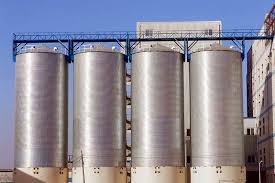
A new hermetic and pesticide free metal silo was also part of the research programme and proved to be an effective way of preserving grain produce as it managed to protect a variety of crops from the danger of pests such as large grain borer.
Currently the metal silos are being made under the auspices of the government’s department of Mechanisation which has outsourced the operation to the private sector, with a plan to teach artisans all over the country as a way of also providing employment.
According to Sciencedirect, “The metal silo is an effective grain storage technology for reducing post-harvest insect and pathogen losses in maize while improving smallholder farmers’ food security in developing countries”.
“A metal silo is a cylindrical structure, constructed from a galvanized iron sheet and hermetically sealed, killing any insect pests that may be present”.
“The impact of metal silo technology in Africa, Asia and Latin America includes, improving food security, empowering smallholder farmers, enhancing income opportunities and job creation, and safeguarding the agro-ecosystems”, it says.
Speaking at the Hwedza event visiting researcher Dr Tanya Stathers of Greenwich University in UK said post-harvest handling of crops was a crucial part of farming.
“Storage is an important part of farming, it’s not just what happens in the field and we have a number of other states which include Malawi, South Africa (Limpopo and KwaZulu Natal) and Madagascar where such initiatives are being done”, she said.
Post-harvest losses have been plaguing the continent at a time that droughts are becoming more prevalent.
One of the speakers at the events said approximately 10% of cereals were being lost each year in Zimbabwe translating into a monetary value of around US$78 million.
A member of the government’s pesticide registration department, a Mr Mushore, also dissuaded farmers from using pills in grain preservation citing the method as being fatal.
“The Grain Marketing Board was sited away from people’s residential areas because of the danger which the tablets may cause”, he said.
Zimbabwe is currently facing food shortages having just come through an El Nino drought struck farming season with very low yields.
This has compounded the need for vigilant methods of crop preservation in the rural areas where subsistence farming is the main form of survival.
Comments
About Author