

By Princess Eugene Majuru
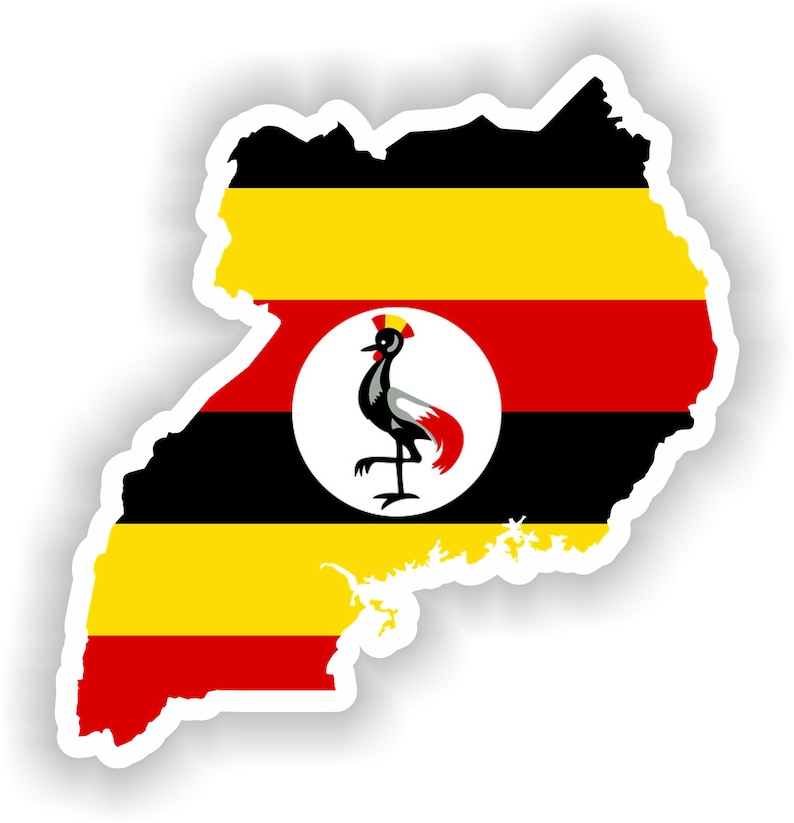
In March 2026, the government of Uganda announced a major shift in its immigration policy: citizens of 40 countries can now enter Uganda without first applying for a visa. The policy allows travellers from those nations to stay in the country for up to three months for tourism or business purposes.
The decision reflects a growing continental trend toward greater mobility, regional integration, and tourism promotion across Africa. The 40 Countries Granted Visa-Free Entry
The countries whose citizens can enter Uganda without applying for a visa include:
Africa
Botswana
Burundi
Comoros
Democratic Republic of the Congo
Eritrea
Gambia
Ghana
Kenya
Lesotho
Madagascar
Malawi
Mauritius
Mozambique
Rwanda
Seychelles
Sierra Leone
South Sudan
Eswatini
Tanzania
Zambia
Zimbabwe
Caribbean & Americas
Antigua and Barbuda
Bahamas
Barbados
Belize
Grenada
Jamaica
Saint Vincent and the Grenadines
Trinidad and Tobago
Europe
Ireland
Cyprus
Malta
Asia & Middle East
Malaysia
Singapore
United Arab Emirates
Pacific / Oceania
Fiji
Solomon Islands
Tonga
Vanuatu
Special Administrative Region
Hong Kong SAR
Visitors from these countries will be processed by immigration officers on arrival rather than needing prior visa approval.
Why Uganda Made This Decision
1. Boosting Tourism
Tourism is a critical part of Uganda’s economy. Easier travel means more visitors to destinations such as Bwindi Impenetrable Forest, the source of the Nile, and national parks. Removing visa barriers is intended to make Uganda more competitive with other African destinations.
Officials say the policy is meant to “simplify travel procedures while promoting tourism, trade and stronger international ties.”
2. Encouraging Regional Integration
Many of the visa-free countries are African neighbours or members of regional blocs like the East African Community, which already promotes free movement of people, goods and services.
The move reinforces the vision of a more integrated African market, where business people, students and tourists can move easily across borders.
3. Expanding Trade and Business Travel
Visa restrictions often slow down investment and cross-border commerce. By easing entry rules, Uganda hopes to encourage:
Trade missions
Investment visits
Conferences and business travel
This is especially important for African entrepreneurs whose ability to travel across the continent has historically been limited.
4. Geopolitical Context
The announcement also comes amid shifting diplomatic relations. Reports indicate the policy followed new restrictive visa measures imposed by the United States on Ugandan travellers, highlighting how mobility policies are increasingly tied to global politics.
Interestingly, the United States, the United Kingdom and European Union countries are not included in the visa-free list.
What This Means for Africa
1. Momentum Toward an Open Africa
Uganda’s move adds to a wider continental trend. Countries such as Kenya, Rwanda, and Benin have already introduced visa-free or visa-on-arrival policies for many African travellers.
The goal is to create an African travel space similar to Europe’s Schengen Area.
2. Stronger Intra-African Tourism
African tourism has traditionally relied heavily on visitors from Europe, North America and Asia. But there is growing interest in intra-African tourism — Africans visiting other African countries.
Visa liberalisation is one of the key tools to unlock this market.
3. Opportunities for Trade and Pan-African Identity
Easier travel also strengthens:
Pan-African cultural exchange
regional business networks
continental cooperation
In practical terms, it means fewer bureaucratic barriers between African peoples.
The Bigger Picture
Uganda’s visa-free policy is more than an immigration reform. It is part of a broader transformation across Africa where governments are beginning to recognise that mobility drives economic growth.
If more African countries adopt similar policies, the continent could move closer to the vision long championed by the African Union — a continent where Africans can travel, trade and collaborate freely.
For Africa, the message is clear:
The future of development may depend not only on borders—but on how open they are.
Comments
About Author