

By Princess Eugene Majuru
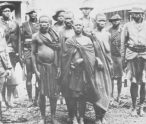
The transatlantic slave trade was more than just the transportation of millions across an ocean; it was a deliberate, brutal, and organized severing of identity. Ancestors were stripped of their names, their languages, their religions, and, most tragically, the knowledge of their precise origins. This act of cultural erasure has created a profound, unhealed wound that resonates through generations of the African diaspora today.
The inability of many descendants to connect with the specific African nations, villages, or tribes from which their ancestors were taken remains one of the slave trade’s most enduring and painful legacies.
The Tragedy of Deliberate Erasure
The slave system was designed to create rootlessness, ensuring the enslaved could not communicate, organize, or draw strength from their shared past. When people from various regions—from the Igbo, Yoruba, and Asante in West Africa to the Kongo and Mbundu in Central Africa—were deliberately mixed, the knowledge of their homeland, tribe, and family history was intentionally lost.
The journey did not just involve physical transport; it involved systematic memory destruction. Today, this manifests as a deep ache for ancestral knowledge, leaving millions in the diaspora fighting to reclaim a history that was violently denied to them.
The Power of Passing on Knowledge
As you rightly emphasize, the simple, vital act of passing on ancestral information can be a profound act of healing and resistance. For those whose families managed to retain even a fragment of their African origins—a surname, a specific word, a cultural practice, or the name of a village—that fragment becomes a priceless key.
It is our duty to ensure that the journey to reconnect is easier for the next generation.
Teaching the Young: We must commit to teaching our children, from the earliest age, every piece of ancestral knowledge we possess, no matter how small. This information is not just history; it is a vital part of their identity and self-worth.
Creating a Record: By documenting and passing on this knowledge, we ensure that even if a full return is impossible, the line of remembrance remains unbroken. Future generations can use this foundational knowledge to connect with their ancestral home through modern tools like DNA testing and archival research.
Reclaiming the Narrative
The struggle for Black identity in the diaspora is fundamentally a struggle to defeat the final objective of the slave trade: the permanent erasure of roots.
The continued fight to connect with specific tribes and histories—like those of the five African tribes tragically scattered across the world—is a powerful testament to the resilience of the African spirit. It is a declaration that the chains that bound our bodies failed to extinguish our inherent right to know who we are and where we came from.
Let us commit to being the bridge builders, ensuring that the legacy of the slave trade is finally confronted not just with grief, but with the joy of reconnection and the strength of known heritage.
Comments
About Author