

By Princess Eugene Majuru
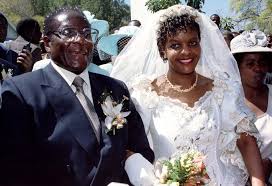
The date was August 17, 1996, but for those who witnessed it, the echoes of that weekend in Kutama have never truly faded. While the world has seen many high-profile unions since, the wedding of Robert Mugabe and Grace Marufu remains etched in history as an unparalleled spectacle of power, tradition, and public fervor. It was a moment that stopped a nation and redefined the concept of a “state occasion.”
A Pilgrimage of Thousands
What truly separated this event from a standard state function was the sheer devotion of the crowds. It was not merely a guest list of the elite; it was a mass gathering of the people.
The Journey: While regional leaders like Nelson Mandela arrived in motorcades, thousands of ordinary citizens embarked on a legendary pilgrimage. Many traveled for days, some on foot and others in packed buses, just to be within earshot of the exchange of vows.
The Rural Epicenter: By bringing the world’s cameras to a village setting, the wedding highlighted a unique blend of humble roots and immense prestige. The transformation of Kutama into a global stage remains a feat of logistical wonder.
The Alchemy of the Event
The “Wedding of the Century” title persists because the ceremony managed to achieve a rare balance of three distinct worlds:
The Diplomatic Spectacle
With dozens of heads of state in attendance, the wedding functioned as a summit of African leadership. It was a display of regional solidarity and political weight that felt more like a coronation than a simple marriage.
The Catholic Grandeur
Presided over by Archbishop Patrick Chakaipa, the religious ceremony was marked by a solemnity and precision that commanded respect. The sight of the choir and the meticulously organized liturgy provided a sophisticated backbone to the festivities.
The People’s Feast
Perhaps the most “special” element was the hospitality. The scale of the catering—designed to feed tens of thousands—ensured that no one who traveled to Kutama left empty-handed. It was a communal celebration where the boundaries between the high office and the common man briefly blurred over shared meals and music.
A Standard Unmatched
Today, we live in an era of viral moments and digital trends, yet the 1996 wedding remains the gold standard. It remains “different” and “powerful” because it possessed a gravity that modern ceremonies often lack. It wasn’t just a union of two people; it was a cultural phenomenon that signaled a specific era of history.
For those who look back, the memories remain vivid: the dust of the roads, the sea of people, and the sense that they were witnessing something that would never be repeated. Thirty years later, the “Wedding of the Century” isn’t just a title—it is a living legacy that continues to be the benchmark for any event seeking to capture the heart of a nation.
Comments
About Author