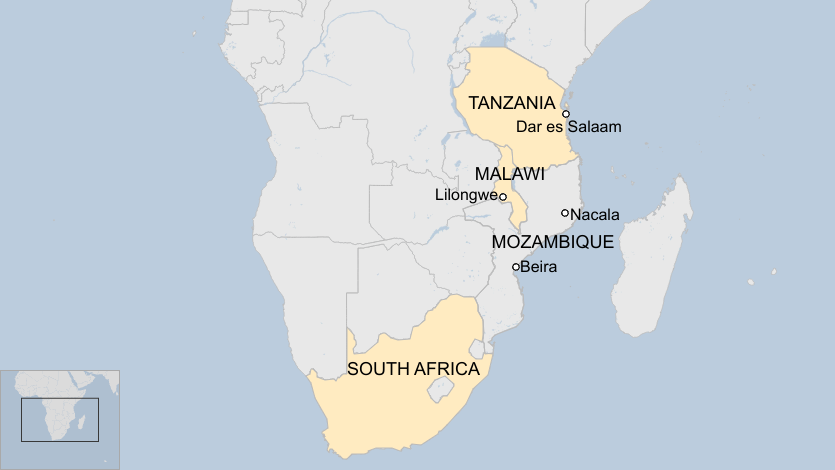


Dar es Salaam, Tanzania (News Of The South) – In a dramatic escalation of regional trade tensions, Tanzania has announced an immediate ban on all agricultural imports from South Africa and Malawi. The move, effective today, Thursday, April 24, 2025, is a direct response to what the Tanzanian government views as unfair trade restrictions imposed by Pretoria and Lilongwe on Tanzanian agricultural exports.
Agriculture Minister Hussein Bashe declared the import ban, citing South Africa’s long-standing prohibition on Tanzanian bananas and Malawi’s recent temporary ban on several Tanzanian agricultural products as the catalysts for this decisive action.
“We have been patient, but we cannot continue to tolerate unequal market access that disadvantages our Tanzanian farmers and traders,” Minister Bashe stated in a televised address. “This is about protecting our economic interests and demanding mutual respect in trade.”
The ban means that Tanzanian ports will no longer accept agricultural imports from South Africa and Malawi. Additionally, Tanzania has halted fertilizer exports to Malawi and will block the transit of agricultural goods from both countries through its territory.
South Africa has for years blocked Tanzanian banana imports, while Malawi’s recent restrictions targeted Tanzanian flour, rice, ginger, bananas, and maize. Tanzania argues that these measures have severely impacted its agricultural sector and has accused both nations of failing to address these issues despite diplomatic engagements.
The economic consequences of this trade standoff are potentially significant. South African fruit exporters will lose a key market, while landlocked Malawi faces major logistical hurdles as its access to Tanzanian ports for both exports and crucial imports is now jeopardized. Tanzania, while seeking alternative markets, risks disrupting regional supply chains and its role as a key transit hub.
This trade dispute underscores the challenges facing African economic integration, even as the continent strives for greater unity and intra-African trade through initiatives like the AfCFTA. Protectionist tendencies and unresolved trade barriers continue to impede the free flow of goods and threaten regional cooperation.
The question of visa-free travel within Africa remains a parallel challenge. While some nations are making progress in easing travel restrictions for fellow Africans, many still maintain complex and often prohibitive visa requirements. This reluctance to embrace visa-free movement stands in contrast to the aspirations of a borderless Africa that facilitates trade, tourism, and cultural exchange, often mirroring global patterns of restricted movement rather than fostering continental unity.
As Tanzania, South Africa, and Malawi brace for the economic fallout from this escalating trade war, the incident serves as a stark reminder of the hurdles that must be overcome to achieve genuine African integration and mutually beneficial trade relationships. Fresh talks are reportedly underway, but the immediate future of trade relations between these three SADC members remains uncertain.
Comments
About Author