

By Business Editor
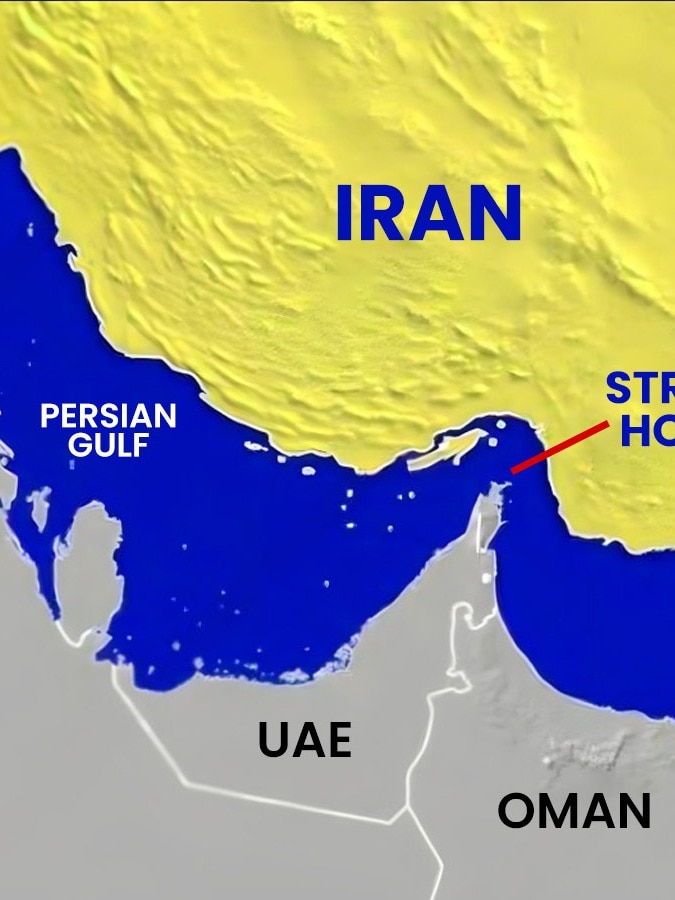
A tanker creeps through waters barely wider than a city street, the horizon dotted with other massive vessels, each carrying fortunes in oil. On either side, desert landscapes stretch toward the horizon, silent witnesses to centuries of history, trade, and conflict. This is the Strait of Hormuz, one of the most strategic—and perilous—waterways on Earth.
The Name That Echoes History
The name “Hormuz” carries weight far beyond geography. It harks back to the ancient city and kingdom of Hormuz on the Iranian coast, a hub of trade and culture in the Persian Gulf. Linguists and historians trace the name to “Hormozd,” the Zoroastrian god Ahura Mazda, symbolizing divine guardianship over this narrow gateway. Others see Greek echoes in “Ormuzd,” evidence of the region’s rich blend of Persian and Hellenistic influences. Either way, the name evokes power, commerce, and centuries of human ambition.
A Choke Point for Global Energy
At its narrowest, the strait spans just 21 miles, yet it channels nearly 20% of the world’s oil supply. Every day, supertankers transport crude from the Persian Gulf to markets in Asia, Europe, and beyond. A delay or blockage here can send shockwaves through global energy prices, making this waterway a geopolitical hotspot.
Control over Hormuz has long been a prize. In 1515, Portuguese forces fortified the island of Hormuz to dominate trade routes. Later, empires and modern powers—from the British to regional navies—vied for influence over this tiny stretch of water. Today, international patrols and diplomatic agreements strive to keep its lanes open, yet tension never fully dissipates.
Where Trade Meets Tension
Beyond oil, Hormuz has always been about commerce and culture. Centuries ago, its ports connected India’s spice routes to European markets. Traders, sailors, and conquerors passed through, leaving a tapestry of languages, religions, and customs. Now, modern shipping lanes trace the same paths, though the stakes are higher: an accidental collision, a misfired missile, or a political blockade could ripple across global markets within hours.
More Than a Waterway
The Strait of Hormuz is a living symbol of history and modernity entwined. Its name speaks to ancient gods and civilizations, yet its waters carry the lifeblood of the modern world: energy, commerce, and influence. For every tanker navigating these narrow channels, there is a reminder that geography is destiny—especially when the world’s attention is focused on a strip of water no wider than 21 miles.
The Strait of Hormuz is a place where history meets high-stakes reality. Its name tells of gods and empires; its waters tell of commerce, strategy, and human ambition. In the narrow channel between the Persian Gulf and the Gulf of Oman, the world’s energy flows, diplomacy flexes, and the fragile balance of power hangs in the balance. This is more than a strait—it is the pulse of global trade, the heartbeat of history, and a testament to the enduring intersection of geography, culture, and power.
Comments
About Author