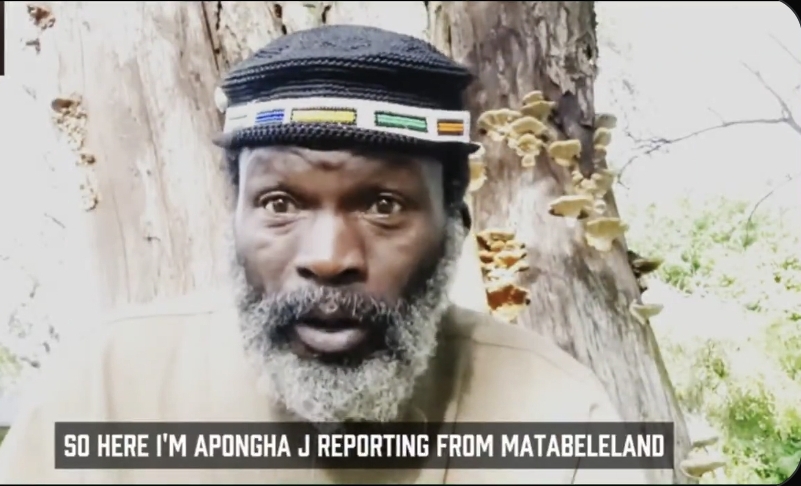


Bulawayo, Zimbabwe (News of The South) A prominent public figure, Joshua Maponga, has raised critical questions regarding the allocation of government funds to Zimbabwe’s health and transport ministries. He has publicly challenged the ministers to provide clarity on how budgetary resources are being utilized, given the perceived state of the nation’s health and infrastructure. Maponga urged the Ministers to fix the.problems rather than try to fix him, he was speaking from Bulawayo.
Maponga’s comments have sparked public debate about the state of essential services in Zimbabwe. Concerns about the condition of Zimbabwe’s healthcare system, including shortages of medical supplies and inadequate facilities, have been widely reported. Similarly, the country’s transportation infrastructure has faced challenges, with reports of deteriorating roads and transportation networks. Maponga’s challenge focuses on the need for greater transparency and accountability in how government funds are being spent.
The public figure has questioned whether the allocated budgets are effectively addressing the pressing needs of the population. Zimbabwe has had a history of economical hardship, and that this could be a contributing factor to the states of the health, and transport systems. There are many people, and organisations, both inside, and outside of Zimbabwe, that are working to improve the health systems of Zimbabwe.
Maponga’s intervention has placed renewed emphasis on the need for government accountability and efficient resource management. The public awaits responses from the relevant ministries, as discussions continue about the future of Zimbabwe’s health and infrastructure.
Government ministries in Zimbabwe are responsible for specific sectors and play a crucial role in addressing the country’s challenges. These ministries are typically structured around areas such as:
Finance and Economic Development: Responsible for managing the national budget, fiscal policy, and promoting economic growth. Key challenges often include inflation, currency stability, unemployment, and attracting investment.
Health and Child Care: Focuses on public health, healthcare delivery, and child welfare. Challenges can include access to healthcare, disease outbreaks, maternal and child mortality rates, and the availability of medical supplies.
Education: Oversees primary, secondary, and tertiary education. Challenges may involve funding, infrastructure, curriculum development, and access to quality education for all citizens.
Agriculture: Responsible for agricultural production, food security, and land management. Challenges can include drought, access to resources for farmers, and ensuring sustainable agricultural practices.
Infrastructure and Development: Deals with transportation, energy, water, and sanitation infrastructure. Key challenges often involve the development and maintenance of these essential services.
Home Affairs and Security: Responsible for law and order, immigration, and national security. Challenges can include crime rates, border control, and maintaining peace and stability.
Individuals or public figures might challenge these ministries to improve their performance in addressing these and other challenges facing Zimbabwe. Such challenges can take various forms, including public statements, social media campaigns, or direct engagement with government officials.
Comments
About Author