

By Features Editor
Public Discourse and Media Accountability: An Analysis of Reactions to the DJ Ollah 7 and Mai Jeremaya Interview
1. Introduction: The Controversial Interview and Its Aftermath
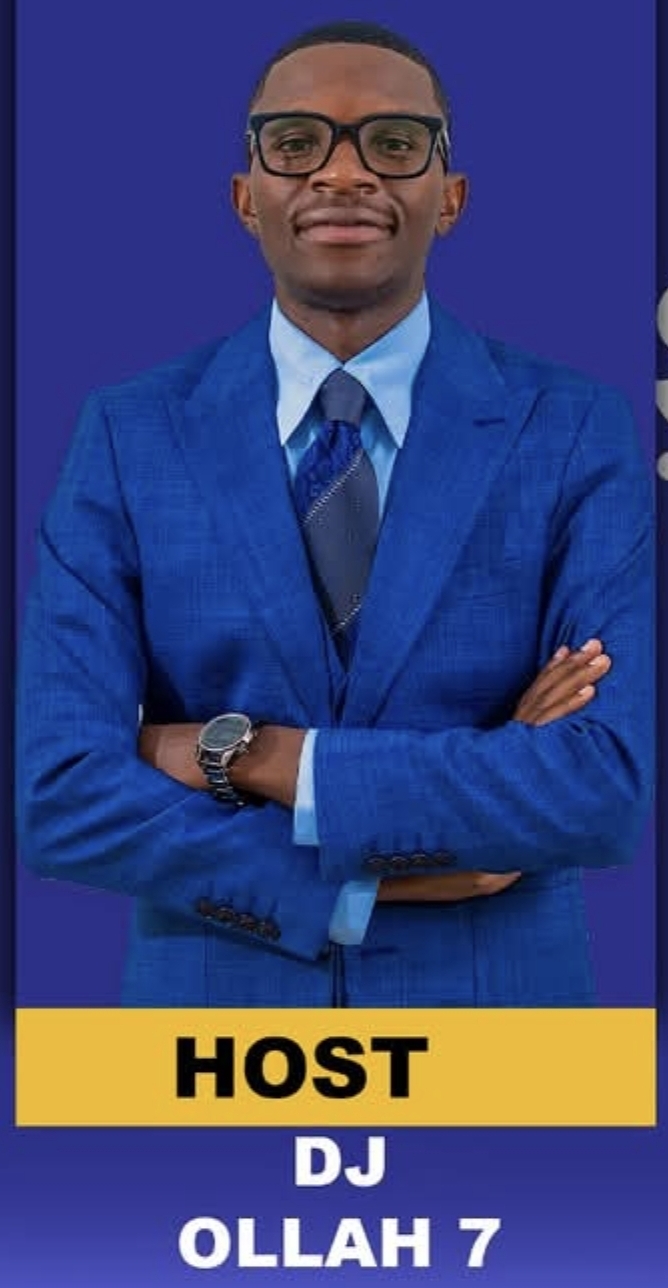
A recent interview conducted by popular Zimbabwean DJ Ollah 7 with socialite Mai Jeremaya, also known as Ashley Masendeke, ignited a significant public controversy. Aired on platforms such as YouTube, the “On the Spot” podcast episode quickly garnered widespread attention and criticism. The core of the controversy stemmed from the deeply personal and explicit nature of the questions posed to Mai Jeremaya, particularly those concerning her past and sexual history, including inquiries about her virginity. This line of questioning was widely perceived as exploitative and a profound breach of privacy, especially given Mai Jeremaya’s status as a rape victim involved in an ongoing legal process.
The immediate aftermath of the interview saw a firestorm of public condemnation. Calls for accountability and swift apologies were directed at DJ Ollah 7 from various quarters of society. This incident brought the broader issues of media ethics and professionalism within Zimbabwe into sharp focus, prompting a robust public discourse on the responsibilities that media practitioners bear when interviewing vulnerable individuals. The nature of the interview, particularly its intrusive questions about Mai Jeremaya’s personal history, served as a powerful catalyst. This event transcended mere criticism of DJ Ollah 7’s conduct, evolving into a more expansive examination of journalistic ethical standards across Zimbabwe.
The explicit and private details explored, coupled with the interviewee’s vulnerability as a trauma survivor, were widely seen as a clear ethical transgression. This single incident thus compelled a public reckoning with prevailing media standards and the imperative for greater accountability within the industry. This suggests that the event was not an isolated lapse in interviewing technique but rather indicative of a broader challenge within the Zimbabwean media landscape, highlighting a perceived gap in ethical practice and regulatory oversight. It underscored a public expectation for elevated journalistic standards, particularly when dealing with sensitive subjects.
2. Key Voices in the Public Debate
The controversy surrounding the DJ Ollah 7 and Mai Jeremaya interview prompted numerous prominent individuals to publicly share their perspectives, revealing a spectrum of opinions on journalistic ethics and accountability.
2.1. Maynard Manyowa’s Analysis: A Defense of Journalistic Principles and Interviewee Autonomy
Zimbabwean journalist Maynard Manyowa, a colleague and friend of DJ Ollah 7, offered a complex and somewhat contentious perspective on the interview. His commentary, primarily disseminated through his Facebook page and subsequently analyzed in articles by News of the South, centered on what he viewed as traditional journalistic principles and placed considerable emphasis on Mai Jeremaya’s autonomy in the situation.
Manyowa contended that “Ashley should not have done that interview,” asserting that the responsibility for preventing her public disclosures lay with her family and friends, rather than the interviewer. He argued that Mai Jeremaya “seemed determined” to share her story and would have sought another platform even if DJ Ollah 7 had declined to interview her. This argument implied that if an individual consents to an interview, the interviewer’s ethical responsibility might be diminished.
Furthermore, Manyowa defended DJ Ollah 7’s interviewing style, noting its consistency across various guests, including other public figures. He suggested that if Ollah had adopted a different approach with Mai Jeremaya, he might have faced accusations of bias or unequal treatment.
Manyowa also posited that much of the public discomfort stemmed not solely from Ollah’s conduct but from the audience having to listen to “disturbing details of a sexual assault” and witnessing what he described as “Ashley humiliate herself and her husband in public”. He acknowledged the ethical principle that victims of sexual offenses should generally not be named, even if an accused is acquitted. However, he pointed out that Mai Jeremaya “broke her own anonymity” by choosing to speak publicly, and he noted the absence of specific anonymity protections in Zimbabwean law for such cases.
Manyowa’s argument, while seemingly pragmatic about an interviewee’s determination, inadvertently illuminates a critical ethical challenge in media practice: the potential for re-traumatization and exploitation, even when explicit consent is given. His focus on “interviewee autonomy” risks downplaying the journalist’s inherent duty to “minimize harm” and safeguard vulnerable individuals. This is particularly true when an interviewee may not fully grasp the long-term implications of public disclosure or might be in an emotionally compromised state. The observation that “she seemed determined” does not negate the interviewer’s professional obligation to assess vulnerability and ensure truly informed consent, which includes understanding potential distress or re-traumatization. This perspective, if broadly adopted, could establish a concerning precedent, shifting the burden of ethical conduct almost entirely onto the interviewee, especially in sensitive cases involving trauma. This highlights a fundamental tension in journalistic ethics: the pursuit of a compelling narrative versus the imperative to do no harm.
2.2. HRH Princess Eugene Majuru’s Critique: A Call for Media Accountability
In stark contrast to Manyowa’s stance, HRH Princess Eugene Majuru, identified as a direct descendant of the royal family of Harare and a champion of Zimbabwean heritage, published several articles through News of the South that strongly condemned DJ Ollah 7’s interview. Her critique focused on the severe ethical breaches she perceived and emphasized the urgent need for media accountability.
Princess Majuru characterized the interview’s questioning, particularly concerning Mai Jeremaya’s virginity, as “deeply personal, irrelevant, and exploitative.” She labeled it an “egregious breach of privacy” and a “blatant disregard for basic human dignity”. She argued that such questions are “highly unprofessional and inappropriate for a journalist” and directly violate ethical guidelines that prioritize respect for privacy and minimizing harm. A significant point of her critique was the perceived “stark contrast” between DJ Ollah 7’s intrusive approach with Mai Jeremaya and what she described as his more “deferential stance” when interviewing figures in positions of authority, such as Permanent Secretary in the Ministry of Information, Nick Mangwana. This selective approach, she argued, suggested a prioritization of “sensationalism and personal humiliation over substantive journalism,” especially when interviewing individuals perceived as less powerful or influential.
Princess Majuru joined the growing public chorus demanding concrete action against DJ Ollah 7. Her calls included formal investigations by relevant Zimbabwean media regulatory bodies, specifically the Zimbabwe Media Commission (ZMC) and the Broadcasting Authority of Zimbabwe (BAZ), as well as a public reprimand or censure and a swift public apology from DJ Ollah 7.
Princess Majuru’s observation regarding DJ Ollah’s “selective approach” reveals a critical power dynamic frequently at play in media interviews. Journalists, especially those commanding large platforms, wield considerable influence over their interviewees. When this influence is used to extract sensational details from vulnerable individuals, while simultaneously avoiding challenging powerful figures, it exposes a systemic ethical flaw. This pattern suggests that the pursuit of “likes” and viral content can override the fundamental duty of responsible journalism, particularly when the interviewee lacks the social or political capital to effectively resist intrusive questioning. This points to a broader concern about media integrity and its potential to exacerbate existing societal inequalities, where those with less power are subjected to greater scrutiny and potential exploitation for public consumption. It reinforces the argument for robust regulatory oversight and ethical codes that specifically address power imbalances inherent in journalistic practice.
2.3. DJ Ollah 7’s Defense: Consent as Justification
In response to the widespread criticism, DJ Ollah 7 publicly defended his interview, primarily by asserting that Mai Jeremaya had consented to the line of questioning. He stated, “I Don’t Force People To Come To My Podcast,” implying that Mai Jeremaya’s willingness to participate and answer the questions absolved him of ethical wrongdoing. He also reportedly defended himself by saying Mai Jeremaya was fine with being asked such questions. His YouTube channel continued to host the interview and related content, indicating a consistent stance.
DJ Ollah’s defense hinges on a particular understanding of consent. However, in the context of sensitive interviews, particularly with individuals who have experienced trauma, consent is not a simple binary. Truly informed consent requires a comprehensive understanding of potential psychological harm, public backlash, and long-term implications. An individual might “agree” to participate in the moment due to various pressures, such as a desire for public vindication, a misunderstanding of media dynamics, or even emotional distress. The journalist’s ethical duty extends beyond merely obtaining a verbal “yes” to actively assessing the interviewee’s vulnerability and ensuring their overall well-being. The significant public outcry, despite Mai Jeremaya’s alleged consent, indicates that society often holds media professionals to a higher ethical standard than a simple contractual agreement. This highlights a critical area for media ethics training and regulation: defining and operationalizing “informed consent” in a way that genuinely protects vulnerable interviewees, moving beyond a superficial understanding of willingness to participate. It suggests that purely legalistic interpretations of consent may fall short of comprehensive journalistic obligations.
2.4. Other Notable Public Comments and Sentiments
Social media platforms, including TikTok and YouTube, became immediate and active forums for public reaction to the interview. Comments displayed a wide range of sentiments, from outright condemnation and expressions of shame to occasional support.
Many comments expressed disappointment or even shame regarding Mai Jeremaya’s decision to discuss such private matters publicly. Some questioned her dignity and suggested that the issues should have remained within the legal system. Examples of these sentiments include remarks such as “Eish haaaa mai jeremiah matiisa imwe level inonyadzisa sevanhukadzi” (Mai Jeremaya, you have taken us women to a shameful level) and “hamunyariwo hama dzemurume wenyu hre mai jeremaya” (Aren’t you ashamed before your husband’s relatives, Mai Jeremaya). Conversely, many comments directly criticized DJ Ollah’s conduct, with expressions like “Haaa Ollah kaa” and “KO iye Ollah otiwo ‘obva aisa’ haaa hey” (And Ollah says ‘he put it in,’ oh no) reflecting disapproval of his interviewing style.
A particularly significant comment, attributed to Journalist Hopewell Chin’ono or a user echoing similar concerns, highlighted the broader societal impact, raising the concern that such interviews could “intimidate real victims who might be intimidated to report their cases”. This observation points to the potential chilling effect on individuals considering reporting sexual assault. In contrast to the prevailing negative sentiment, King Solomon posted on Facebook (as referenced in YouTube comments) expressing admiration for Mai Jeremaya, calling her a “super star” and “very intelligent young woma,” and commending DJ Ollah for “asking the right questions”. This indicates a segment of the audience that found the interview valuable or acceptable.
The most vocal condemnation has come from Mrsmooth Martinos Chitsa, whose impassioned Facebook post has gone viral, highlighting the perceived disrespect and insensitivity of the interview, particularly in light of Mai Jeremaya’s vulnerable state following a court case.
Chitsa’s post, addressed to “LADIES AND GENTLEMEN WORLD OVER,” articulates a deep sense of disturbance, stating, “personally I found that live very disturbing from a very famous person who I would have thought supported people.” His core argument revolves around the impropriety of “asking her those personal intimate questions live after just a court case,” deeming it “way below the belt and disrespectful.”
He directly challenges DJ Ollah 7, invoking the DJ’s self-proclaimed spiritual role: “DJ Ollah 7 INGA MUNOTI muri madzibaba wani. How can you be laughing asking those serious questions? Kubvunza paakabva u virginity and how it happened? Are you able come on my live and I ask you same question and even your wife and all women?” This direct challenge underscores the perceived hypocrisy and lack of empathy in the interview.
Chitsa further lambasts the DJ for “disrespecting the protocol of respect,” emphasizing the spiritual tenet that “NONE OF US IS GOD so WE LISTEN WE DONT JUDGE.” He suggests that a more compassionate approach, such as prayer, would have been appropriate.
While acknowledging the allegations surrounding Mai Jeremaya, Chitsa states, “Allleged zvavakaita many people doing it for a living but I find your content now disturbing and distasteful.” He extends his criticism to the interview’s supporters, particularly those “vachituka,” reminding them that “REPU is a serious offence many women suffer in silence and it’s not a laughing matter.” This highlights the broader societal implications of trivializing sensitive issues.
Chitsa poignantly concludes by referencing his own recognition as a “CHAMPION AND TALKING SUPPORTING PEOPLE WITH MENTAL HEALTH,” suggesting a higher standard of conduct for public figures. His final plea to DJ Ollah 7, “dzinga satan go pray,” encapsulates the moral outrage felt by many.
The sentiments expressed by Mrsmooth Martinos Chitsa are expected to resonate with other public figures who champion mental health advocacy, victim support, and ethical journalism. His strong stance will undoubtedly fuel further debate on the responsibilities of media personalities and the boundaries of public discourse, particularly when dealing with individuals in vulnerable situations. As more public figures weigh in, the pressure on DJ Ollah 7 and similar content creators to reassess their interviewing practices will likely intensify.
The general comments on TikTok and YouTube are from various users, not a specific individual identified as “Mr Smooth.” Therefore, specific details of his direct commentary cannot be provided from the available information.
The wide array of comments, ranging from outright condemnation to expressions of support, illustrates the fragmented and often contradictory nature of online public opinion. While a dominant narrative of outrage emerged, the presence of supportive voices, such as King Solomon’s, suggests that ethical boundaries are not universally perceived in the same way across the public. This fragmentation can complicate efforts towards media accountability, as it allows media practitioners to selectively engage with positive feedback while dismissing negative criticism as subjective or misinformed. The sheer volume and often anonymous nature of online comments also contribute to what some observers described as a “public circus,” potentially overwhelming more nuanced ethical discussions. This suggests that while public outcry can be a potent force for demanding accountability, its diverse and sometimes contradictory nature can also be exploited or diffused, making consistent enforcement of media ethics a significant challenge in the digital age. It underscores the continued necessity for clear, institutional ethical guidelines rather than relying solely on fluctuating public sentiment.
Table 1: Key Commentators and Their Stances on the DJ Ollah 7 and Mai Jeremaya Interview
| Commentator/Entity | Primary Stance/Key Argument | Platform/Source | Relevant Snippet IDs
| Maynard Manyowa | Emphasized victim agency; defended Ollah’s consistent style; public discomfort from content, not conduct. | Facebook (analyzed by News of the South) |
| HRH Princess Eugene Majuru | Condemned interview as exploitative, unprofessional, breach of privacy/dignity; called for regulatory action and apology. | News of the South articles |
| DJ Ollah 7 | Defended interview by asserting Mai Jeremaya’s consent (“I Don’t Force People To Come To My Podcast”). | iHarare News (quoting Ollah), YouTube
| Hopewell Chin’ono (or similar viewpoint) | Expressed concern that such interviews could deter real victims from reporting cases. | YouTube comments
| King Solomon | Praised Mai Jeremaya as intelligent and DJ Ollah for asking “right questions.” | Facebook (referenced in YouTube comments)
| Mr Smooth MrSmooth / Condemned interview saying it was unprofesional|
3. Media Coverage and Ethical Scrutiny
The controversy surrounding the DJ Ollah 7 and Mai Jeremaya interview was extensively covered by various media outlets, each contributing to the public discourse and the ethical scrutiny of the incident.
3.1. News of the South’s Comprehensive Ethical Analysis
News of the South played a pivotal role in dissecting the controversy, publishing multiple articles that provided in-depth analysis from a strong ethical standpoint. These publications, including “Why DJ Ollah 7s Interview With Mai Jeremaya was Unprofessional and Inappropriate” and “Analysis of Maynard Manyowa’s Comments on DJ Ollah’s Interview with Mai Jeremaya Through The Lens of Journalistic Ethics,” served as critical ethical commentaries on the unfolding situation.
The articles from News of the South explicitly highlighted several core ethical violations. They stated that asking about a person’s sexual history is “deeply personal” and “has no relevance to most journalistic inquiries,” unequivocally constituting a “gross invasion of privacy”. Furthermore, the publications argued that such questions are often designed to “shock, titillate, or sensationalize,” thereby undermining the credibility and integrity of both the journalist and the publication. They emphasized that reputable journalistic organizations adhere to strict ethical codes that prioritize respect for privacy, minimizing harm, and avoiding exploitation, all of which were perceived to have been violated in this instance. The articles also noted that such intrusive questions “immediately erode trust between the interviewer and interviewee, and likely between the public and the journalist/publication” , and underscored the potential for “significant distress, embarrassment, and even harm to the interviewee”. News of the South’s reporting consistently amplified calls for formal investigations by Zimbabwean media regulatory bodies, specifically the Zimbabwe Media Commission (ZMC) and the Broadcasting Authority of Zimbabwe (BAZ), alongside demands for a public apology from DJ Ollah 7.
The detailed ethical analyses provided by News of the South demonstrate the critical function that media outlets themselves can fulfill in self-regulation and ethical policing within the industry. By publishing critical assessments of a peer’s conduct, these outlets contribute significantly to establishing and reinforcing professional standards. This internal critique mechanism is particularly vital in environments where formal regulatory bodies might be perceived as slow or ineffective. The consistent focus of News of the South on principles such as privacy, harm reduction, and the avoidance of sensationalism underscores a collective understanding of core journalistic values that were widely seen as having been disregarded. This suggests that a healthy media ecosystem requires not only external regulation but also robust internal ethical discourse and critique among practitioners and publications to maintain standards and public trust.
3.2. Pindula News Coverage: Factual Reporting and Context
Pindula News provided more straightforward, factual reporting on the interview. Their coverage confirmed the interview’s airing and linked it to Mai Jeremaya’s ongoing rape trial. They also mentioned related developments, such as Tinopona Katsande’s public support for Mai Jeremaya following a court loss. Pindula News also served as a platform for reporting DJ Ollah 7’s defense, quoting his statement, “I Don’t Force People To Come To My Podcast,” in response to the public backlash.
The differing approaches between News of the South, which offered an analytical and ethical critique, and Pindula News, which focused on factual reporting and quoting immediate responses, illustrate the spectrum of media coverage during a public controversy. While News of the South actively contributed to shaping the ethical debate, Pindula News provided foundational facts and reported on the immediate reactions. Both approaches contribute to public understanding, albeit in distinct ways. Factual reporting, while seemingly neutral, can still influence public perception by framing the narrative or highlighting specific aspects, such as the context of Mai Jeremaya’s ongoing trial. This suggests that the collective media landscape, through its varied approaches, constructs the public’s understanding of an event. The absence of critical ethical analysis in some outlets can inadvertently normalize or downplay controversial conduct, while others actively challenge it, leading to a complex and multi-layered public perception.
3.3.The Heraldonline the state newspaper’s coverage of the interview and article portrays the DJ Ollah 7 and Mai Jeremaya interview as a profound breach of journalistic ethics and public responsibility. It paints a picture of a media platform prioritizing sensationalism and explicit content over sensitivity, legal accuracy, and trauma-informed reporting. The public outrage, as reported, indicates that these ethical concerns resonate widely.
While DJ Ollah 7’s defense focuses on the guest’s voluntariness, the article effectively shifts the blame to his responsibility as an interviewer and content producer. The interview’s timing, so soon after a court ruling on Mai Jeremaya’s allegations, further exacerbates the concerns about disrespecting judicial outcomes and potentially re-victimizing an individual, regardless of the court’s findings. The article suggests this incident serves as a stark reminder of the importance of media literacy and adherence to ethical guidelines in the rapidly evolving landscape of digital media and podcasts in Zimbabwe.
4. Analysis of Journalistic Ethics and Media Accountability
The DJ Ollah 7 and Mai Jeremaya interview has become a focal point for discussions on journalistic ethics and media accountability in Zimbabwe, highlighting several critical principles that critics argue were violated.
4.1. Core Ethical Principles Violated
The most prominent ethical concern raised was the profound invasion of Mai Jeremaya’s privacy, particularly regarding her sexual history. Ethical journalism generally mandates that matters of private life are irrelevant unless there is an overwhelming public interest justification, which critics widely contended was absent in this case. The questioning was perceived as a blatant disregard for human dignity.
Professional guidelines for interviewing trauma survivors emphasize the importance of assessing vulnerability, ensuring truly informed consent, and providing adequate support or even halting the interview if the interviewee shows signs of distress. Critics argued that DJ Ollah 7 failed in his fundamental responsibility to minimize harm, potentially re-traumatizing Mai Jeremaya and exposing her to further public humiliation.
The interview was broadly condemned as prioritizing “sensationalism and personal humiliation over substantive journalism”. Ethical journalism is expected to serve the public interest, not merely to generate “likes” or viral content at the expense of an individual’s well-being and privacy.
Furthermore, the observable contrast in DJ Ollah 7’s interviewing approach—his intrusive questions to Mai Jeremaya versus a more deferential stance with powerful figures like Nick Mangwana—suggests a lack of consistent fairness and respect in his journalistic practices, raising significant questions about his professional integrity.
4.2. Calls for Formal Investigations and Apologies
A strong public chorus emerged, demanding concrete action from relevant Zimbabwean media regulatory bodies, specifically the Zimbabwe Media Commission (ZMC) and the Broadcasting Authority of Zimbabwe (BAZ). Potential actions suggested included formal investigations into the conduct of the interview and public reprimands or censure. Beyond official sanctions, there was a vociferous public demand for a public apology from DJ Ollah 7. This apology was viewed not only as a gesture of remorse to Mai Jeremaya but also as a crucial acknowledgment to the wider public that such conduct is unacceptable and will not be tolerated within the media landscape.
4.3. Broader Implications for Media Professionalism in Zimbabwe
The incident carries significant implications for public trust in Zimbabwean media. When journalists are perceived as exploitative or unprofessional, it inevitably erodes the credibility of the entire profession. The controversy starkly highlights the urgent need for media practitioners to protect vulnerable individuals from the misuse of public platforms, reinforcing the idea that the pursuit of audience engagement should never come at the cost of an individual’s dignity and right to privacy. The public discourse also underscores the necessity for robust ethical codes, continuous training, and consistent enforcement within the Zimbabwean media landscape to prevent similar incidents and foster responsible reporting.
The widespread calls for intervention from the ZMC and BAZ, coupled with the apparent lack of immediate, proactive regulatory response (as implied by the public demands for action), point to a potential regulatory vacuum or a perceived weakness in enforcing media ethics in Zimbabwe. If regulatory bodies were consistently effective and visibly proactive, the public might not feel such a strong need to vociferously “demand accountability.” This environment, where formal repercussions for ethical breaches might be perceived as minimal, could inadvertently enable sensationalist practices, especially when practitioners are driven by the pursuit of viral content. This indicates a systemic challenge where the absence of strong, visible regulatory enforcement may contribute to a culture where ethical considerations are secondary to audience engagement metrics. It suggests that strengthening media governance and regulatory capacity is crucial for fostering a more responsible and ethically sound media environment.
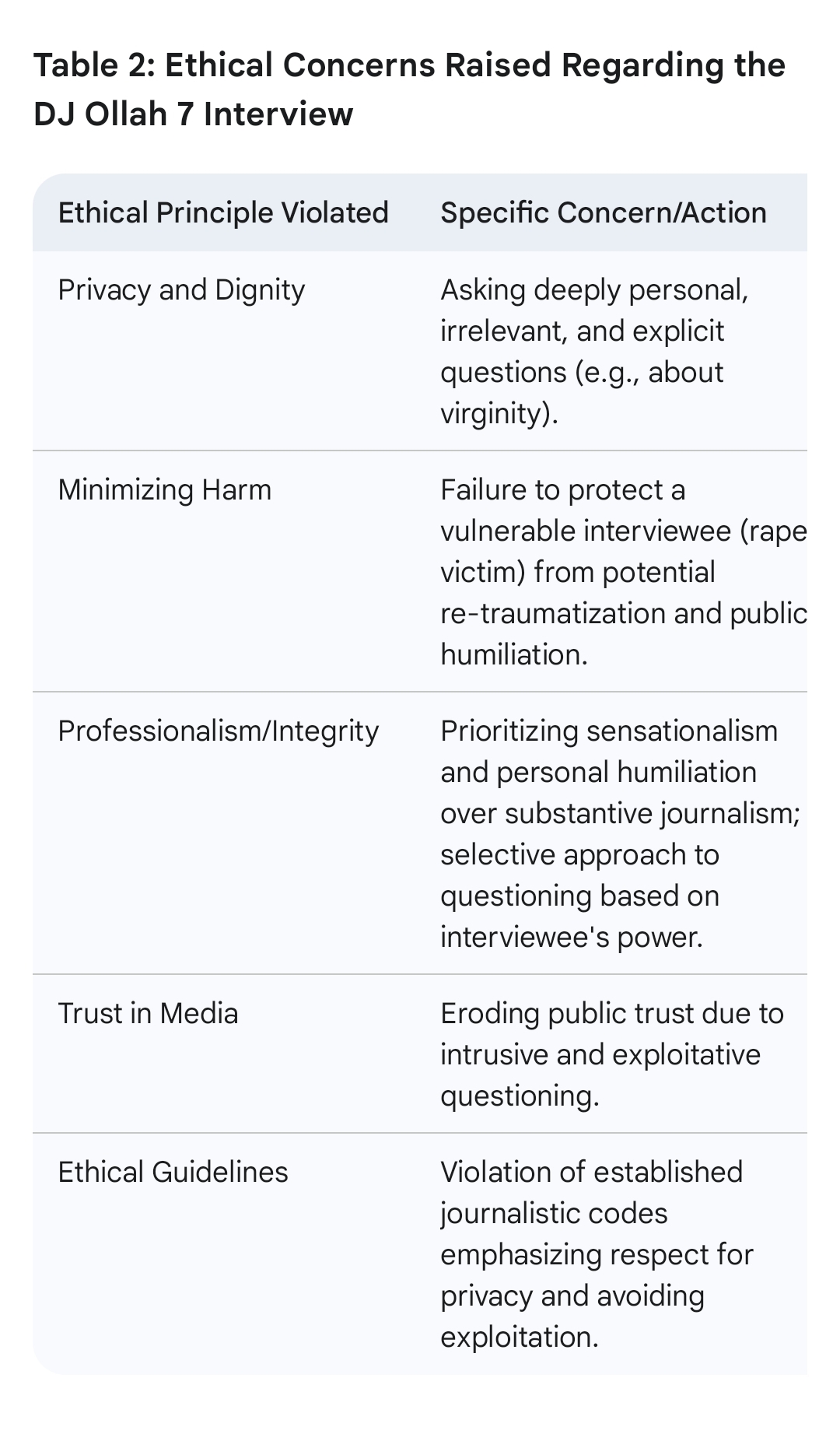
Table 2: Ethical Concerns Raised Regarding the DJ Ollah 7 Interview
| Ethical Principle Violated | Specific Concern/Action | Source of Concern | Relevant Snippet IDs
| Privacy and Dignity | Asking personal, irrelevant, and explicit questions (e.g., about virginity). | HRH Princess Eugene Majuru, News of the South
| Minimizing Harm – Failure to protect a vulnerable interviewee (rape victim) from potential re-traumatization and public humiliation. | News of the South, Hopewell Chin’ono viewpoint
| Professionalism/Integrity | Prioritizing sensationalism and personal humiliation over substantive journalism; selective approach to questioning based on interviewee’s power. | HRH Princess Eugene Majuru, News of the South | |
| Trust in Media | Eroding public trust due to intrusive and exploitative questioning. | News of the South
|Ethical Guidelines | Violation of established journalistic codes emphasizing respect for privacy and avoiding exploitation. | News of the South
5. Conclusion: Reflecting on the Discourse and Future Implications
The interview conducted by DJ Ollah 7 with Mai Jeremaya served as a critical flashpoint in Zimbabwe’s media landscape, exposing deep divisions in both public and professional opinion regarding journalistic ethics. While some observers, such as Maynard Manyowa, offered a defense rooted in interviewee consent and consistent interviewing style, a dominant narrative emerged condemning the interview as exploitative, unprofessional, and a severe breach of privacy and dignity. Key figures like HRH Princess Eugene Majuru provided robust ethical critiques, underscoring the perceived violations of journalistic standards.
This controversy brought to the forefront fundamental debates within the field of journalism: the true meaning and boundaries of informed consent, the delicate balance between an interviewee’s autonomy and the interviewer’s professional responsibility to minimize harm, and the inherent tension between the pursuit of sensational content and genuine public interest. The public response, characterized by widespread calls for accountability and apologies, highlighted a societal expectation for higher ethical standards from media practitioners.
The incident has catalyzed demands for greater media accountability, stricter adherence to ethical guidelines, and potentially more robust regulatory oversight within Zimbabwe. It stands as a stark reminder that the pursuit of online engagement and viral content must never compromise an individual’s dignity, privacy, or the broader ethical responsibilities inherent in media practice. The extensive public discourse surrounding this interview underscores the ongoing challenge for media professionals in the digital age to uphold rigorous professional standards amidst the pervasive pressures to generate popular content, especially when engaging with vulnerable individuals and sensitive topics. The varied reactions and the calls for regulatory action collectively point to a critical juncture for media professionalism in Zimbabwe, emphasizing the need for a re-evaluation of practices to ensure public trust and ethical conduct.
Comments
About Author