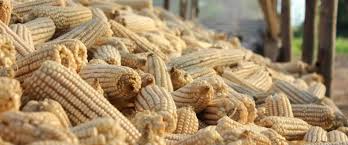


The World Food Programme (WFP) has warned that maize production in Zimbabwe will drop to be less that 60 percent of the last five year average production due to the effects of the El Nino- induced drought that hit Zimbabwe and parts of Sub-Saharan Africa since last year.
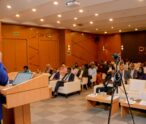
Speaking during the United Nations and USAid media briefing on the drought response efforts in Zimbabwe, WFP Country Director, Eddie Rowe said they were estimating a grain deficit of $1.36 million MT between February and December 2016.
He added that 2.8 million people in Zimbabwe are in need of food aid and the target so far is 1.86 million.
“1.8 million people are estimated to be vulnerable as at March 2016, we have seen that some families still have some crops due to the extension of the rainy season,” he said.
Rowe added that country consumption was estimated at 1.6 to 1.8 million tonnes of grain per year and 70 percent of these aid resources were coming from USAid.
The total budget required for agriculture and food security support in Zimbabwe is $196 million and so far, USAid has set aside $100 million over five years and are halfway through the programme.
He added that the United Nations was working on developing communities so that people can recover when they have these shocks, with their Food Secure Initiative in Zimbabwe training farmers in Mwenezi over climate change and El Nino.
“We were able to reach 617.000 people in 28 districts in April for food assistance,” he said.
USAid Zimbabwe Director Stephanie Funk thanked UN in Zimbabwe for the expertise and collaboration on drought response.
She added that since June 2015, USAid has provided $55 million for agriculture and food aid.
UN Resident Co-coordinator Bishow Parajuli, who also thanked USAid for the support over the years to the Zimbabwean people facing hunger added that climate change was here to stay.
Drought has had its greatest impact on water supplies as lack of water affects every aspect of environmental health and human activity.
“Water availability for domestic use is inadequate. 33 percent of households have inadequate water supply.”
Zimbabwe is classified as a low income food deficit country ranked 156 out of 187 countries on 2014 Human Development Index
Comments
About Author

Latest News

Yahoo Mail Down: Global Outage Leaves Thousands Facing ‘Temporarily Unavailable’ Errors
Please follow and like us: