By HRH Princess Eugene Majuru
Seke, Chitungwiza – Hidden within the bustling arteries of Seke and Chitungwiza lies a road with a story that stretches far beyond asphalt and traffic. Mabika Drive, which leads to Mabika Village, is more than a transport route , it is a living reminder of Zimbabwe’s royal heritage, the enduring story of the Mbari Clan and the unbroken spirit of King Mbari, one of Harare’s earliest rulers.
The Road that Remembers a King
Mabika Drive takes its name from Thomson Mabika, a descendant of the Mbari royal line, who funded the construction of the road. What may appear to be a simple local route is, in truth, a symbolic thread connecting past and present – a pathway leading back to the ancestral heartland of the Mbari people. Todsy Mabika Drive is maintained by the village.
The drive extends from Seke Road into Mabika Village, an area settled by members of the Mbari royal family. But the history of this region runs much deeper. Long before colonial boundaries and concrete, this was Mbari territory – land given to the Seke family through royal kinship.
A Royal Union and the Gift of Land
Historical oral traditions tell that King Mbari, the sovereign of a vast precolonial territory that encompassed much of modern-day Harare, married a woman from the Seke family. In recognition of this bond, King Mbari granted the Seke lineage land to settle upon – a gesture of unity and shared destiny.
The Seke area, which today includes parts of Chitungwiza and stretches eastward toward Waddilove in Marondera, was therefore once part of King Mbari’s jurisdiction. During the precolonial period, the king’s family and descendants were widely spread across this area, forming a network of royal settlements tied by blood, culture, and spiritual leadership.
The Dismantling of the Mbari Kingdom
The arrival of the British colonial forces marked a devastating turning point. In their bid to establish dominance, the colonizers systematically dismantled the Mbari Kingdom – seizing land, suppressing local governance, and attempting to erase indigenous power structures.
The Mbari clan faced the Mbari Genocide – a calculated attempt to destroy the royal bloodline and wipe out its influence. Many were displaced, others assimilated under colonial rule, and the clan’s sacred sites were either renamed or rebranded as “tourist attractions” – stripped of their original spiritual significance.
Yet, despite centuries of scattering, the Mbari descendants endured. From Harare to Mazoe, Mount Hampden to Marondera, echoes of their name and memory remain etched across Zimbabwe’s map.
The Land Speaks Mbari
Many of Zimbabwe’s most well-known place names are linguistic and cultural descendants of the Mbari heritage:
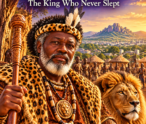
Harare – derived from Haarari, King Mbari’s title, meaning “the one who does not sleep,” symbolizing his tireless watch over his people through his spiritual powers. The colonial misspelling “Harare” remains to this day.
Mbare, an ancient settlement tied to the king’s earliest homestead, a place of gathering and commerce even before colonial times.
Dzivarasekwa – referencing one of the sacred water sources blessed by the Mbari lineage.
Mandara, Mukuvisi, Hanyani, Mbewe Mountain (Mazoe), and Tsikwi (Mount Hampden) – all tied by history, naming, and ancestral energy to the Mbari dynasty.
These names, scattered across the land, form a map of memory, a spiritual geography that continues to tell the story of the people who once ruled here.
Resurgence of the Mbari Legacy
Today, the descendants of King Mbari – scattered yet connected through shared heritage are reclaiming their story. The clan is reviving historical narratives, restoring sacred sites, and ensuring that their legacy is taught, preserved, and celebrated.
Mabika Drive stands as a tangible symbol of this resurgence. It leads not only to Mabika Village but also toward remembrance and reclamation. Every traveler who passes down that road unknowingly retraces the footsteps of a lineage that refused to vanish.
A Road to the Future
In modern times, Mabika Drive has become more than infrastructure , it is a living tribute to the endurance of a royal line, a people’s spirit, and a king’s vision. It connects generations, weaving together ancestry, identity, and progress.
As the Mbari Clan rises once again, their message is clear:
“We are still here. We were never erased. The land still remembers us.”
From Harare’s skyline to Seke’s quiet villages, from the Kopje to Mazoe, the legacy of King Mbari continues to whisper through the soil, rivers, and stones of Zimbabwe – reminding all who listen that history lives not only in books, but in the land itself.
Comments
About Author