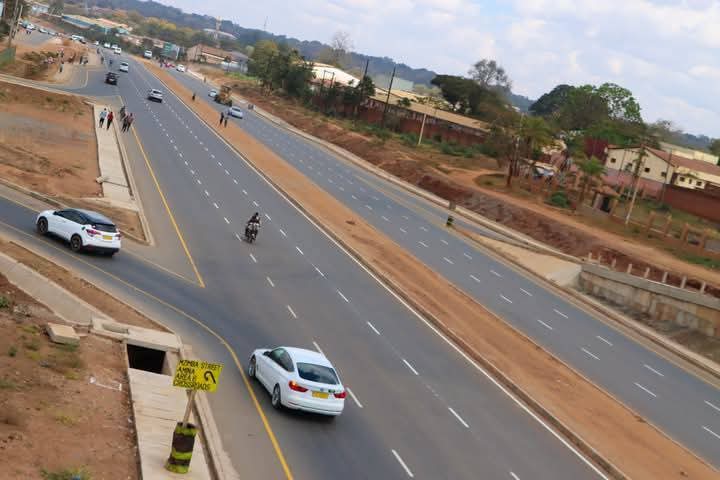


LILONGWE, MALAWI (News of The South) – Lilongwe’s much-anticipated Six-Lane Chilima and Kamuzu Central Hospital Interchange, lauded for its potential to drastically ease traffic congestion, is now fully operational, bringing a noticeable improvement to vehicle flow in the area. However, the impressive infrastructure project appears to have overlooked a crucial element of urban planning: safe and designated crossing points for pedestrians, leading to a perilous situation for those on foot.
The interchange, a vital artery connecting key parts of the capital and serving the bustling Kamuzu Central Hospital, has transformed the driving experience for motorists. The multi-level design allows for seamless transitions and significantly reduces the notorious bottlenecks that once plagued the area. Commuters and businesses alike are celebrating the reduced travel times and the overall enhancement of transportation efficiency.
“It’s a huge relief,” remarked Grace Banda, a local taxi driver. “Before, getting through this area during peak hours was a nightmare. Now, it’s so much faster, and I can do more trips in a day.”
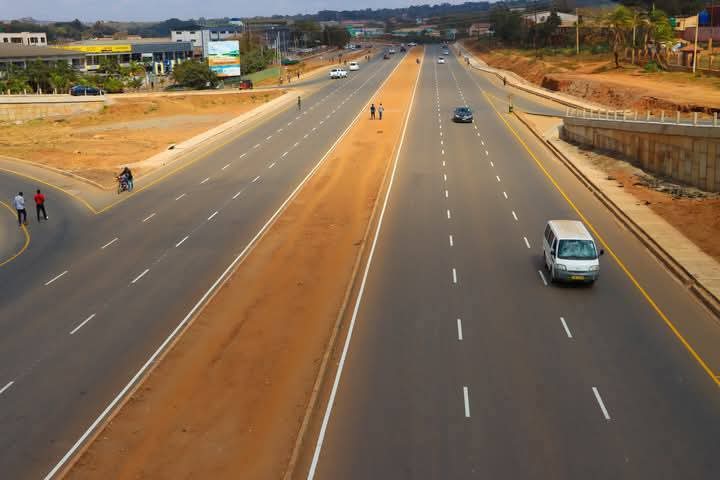
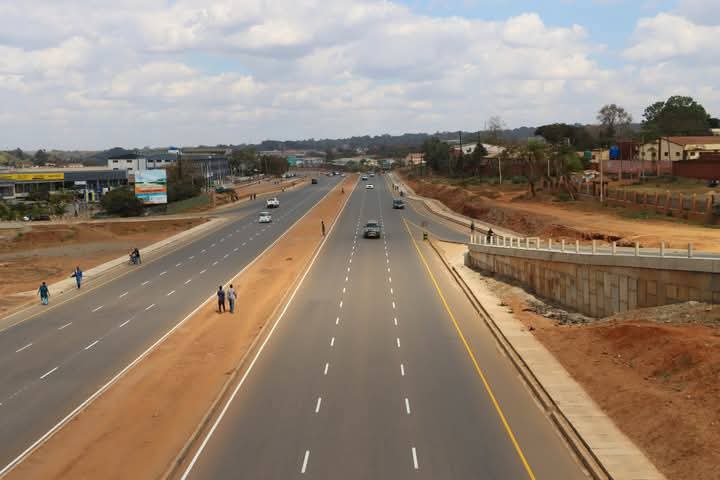
Despite the undeniable benefits for vehicular traffic, a critical oversight has become glaringly apparent: the lack of adequate pedestrian infrastructure. Locals are observed crossing the busy six-lane roads at various points, often darting between fast-moving vehicles. This not only poses a significant safety risk to pedestrians but also disrupts the smooth flow of traffic the interchange was designed to achieve.
“It’s terrifying to cross,” admitted Peter Nkhoma, a nurse who frequently walks to Kamuzu Central Hospital. “There’s no designated place, no pedestrian bridge, no zebra crossings. You just have to hope drivers see you.”
The current situation creates a dangerous environment for all road users. Accidents are a constant threat, and the sight of individuals navigating the wide, high-speed lanes is a stark reminder of the project’s incomplete nature from a holistic urban planning perspective.
Addressing the Pedestrian Predicament: A Call for Action
Urban planning experts emphasize that successful infrastructure projects must cater to all modes of transport, including pedestrians. Neglecting pedestrian safety not only leads to accidents but also undermines the very purpose of creating an efficient transport network by creating new bottlenecks and hazards.
Several solutions could be implemented to rectify this pressing issue:
– Pedestrian Bridges or Underpasses: These dedicated structures would provide safe and separated crossings for pedestrians, completely eliminating the need to interact with vehicular traffic. While potentially a significant investment, the long-term benefits in terms of safety and efficiency would be substantial.
– Clearly Marked and Signalized Crossings: At strategic points where pedestrian traffic is high, installing well-lit and signalized zebra crossings could offer a temporary or supplementary solution. These would need to be carefully designed to ensure minimal disruption to vehicle flow while prioritizing pedestrian safety.
– Raised Pedestrian Islands: In certain areas, constructing raised islands in the middle of the road could provide a safe refuge for pedestrians crossing multiple lanes, allowing them to cross in stages.
– Public Awareness Campaigns: Alongside infrastructure changes, public awareness campaigns are crucial to educate both pedestrians and motorists on safe road practices around the interchange.
The Six-Lane Chilima and Kamuzu Central Hospital Interchange is a testament to Malawi’s commitment to modernizing its infrastructure. However, for it to truly serve as a beneficial asset for all citizens, the current pedestrian challenges must be urgently addressed. Integrating safe and accessible pedestrian facilities will not only prevent future tragedies but also ensure that the interchange truly embodies a well-rounded and sustainable urban development. The next phase of this project must prioritize putting people, not just vehicles, at its heart.




Comments
About Author