
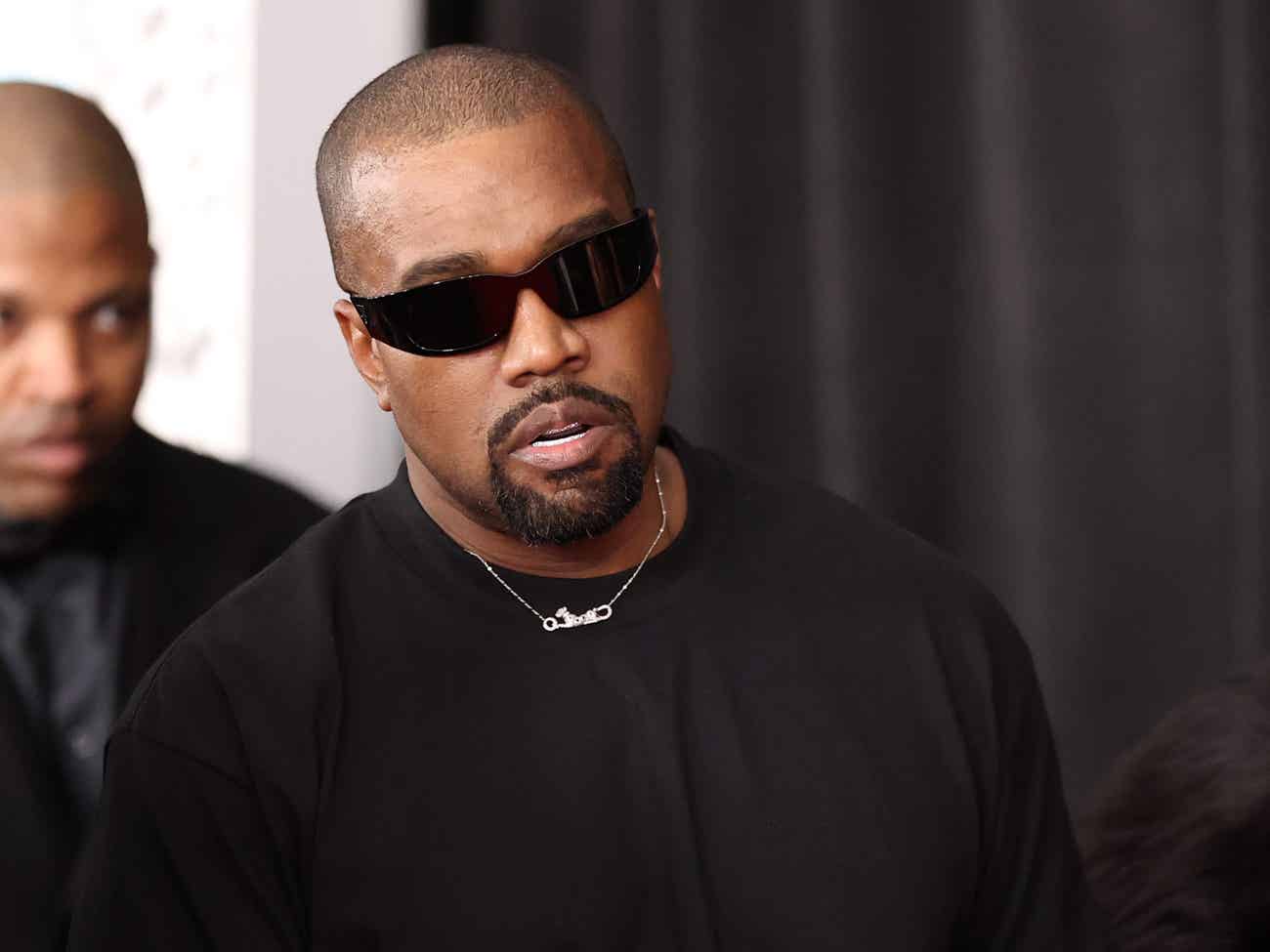


A Festival Built Around One Artist — Then Unravelled
Wireless Festival, one of Europe’s premier hip-hop events, had taken the unusual step of centering its entire 2026 lineup around West, who was scheduled to headline all three nights in London’s Finsbury Park.
The move was bold but risky. West had not performed in the UK for over a decade, and organisers appeared to be betting on both nostalgia and controversy to drive ticket sales. Instead, the decision exposed the festival to intense scrutiny almost immediately.
Within days of the announcement:
Public backlash intensified
Political leaders voiced concern
Major sponsors began withdrawing support
The situation escalated rapidly when the UK government intervened.
The Government Ban: “Not Conducive to the Public Good”
The decisive turning point came when the UK Home Office denied West entry, revoking his travel authorisation on the grounds that his presence would not be “conducive to the public good.”
This is a rare but powerful mechanism often used in cases involving extremism, public safety concerns, or hate speech. In West’s case, officials pointed to a pattern of behaviour that included:
Antisemitic statements
Public praise of Adolf Hitler
Controversial music and merchandise referencing Nazi imagery
These actions had already sparked global outrage in recent years and led to the loss of major business partnerships. The ban effectively made it impossible for the festival to proceed as planned.
While festivals often replace headliners, Wireless faced an unprecedented logistical dilemma. West was not just a headliner — he was the festival’s central pillar.
Replacing him would have required:
Securing three major headline acts at short notice
Rebuilding the entire lineup
Restoring sponsor confidence
With sponsors like Pepsi and others already pulling out, organisers concluded the event was no longer viable.
The result: full cancellation and mass ticket refunds.
Political and Public Reaction
Government and Political Leaders
UK Prime Minister Keir Starmer publicly criticised the booking even before the ban, calling it “deeply concerning.”
The government’s final decision was widely interpreted as a signal that cultural platforms would not be extended to figures associated with hate speech.
Jewish Organisations and Advocacy Groups
Jewish community organisations strongly supported the ban, arguing that allowing West to headline a major festival would legitimise harmful rhetoric. Some groups rejected attempts by the artist to engage in dialogue, insisting that accountability must precede reconciliation.
Corporate sponsors moved quickly to distance themselves, highlighting the increasing role of ethical considerations in entertainment financing. The withdrawal of funding was a critical factor in the festival’s collapse, underscoring how reputational risk now directly affects large-scale cultural events.
Reaction among fans has been sharply divided:
Some expressed anger at the cancellation and loss of a major summer event
Others supported the decision, framing it as necessary accountability
The episode has reignited debates about:
Separating art from the artist
Cancel culture versus public responsibility
The limits of free expression in global entertainment
West, who now goes by Ye, has in recent months attempted to reframe his public image, issuing apologies and attributing past behaviour to mental health struggles and personal trauma. He also expressed interest in engaging with the UK’s Jewish community, presenting his planned performances as part of a broader effort at reconciliation.
However, for many critics, these efforts were insufficient given the scale and repetition of past controversies.
1. A New Standard for Cultural Gatekeeping
The UK’s decision signals a stricter stance on who is granted access to major cultural platforms. Governments are increasingly willing to intervene where public safety and social cohesion are at stake.
2. Financial Fragility of Mega-Events
Wireless Festival’s collapse illustrates how dependent large events are on:
Headline acts
Sponsorship stability
Public perception
Remove one pillar, and the entire structure can fall.
3. The Globalisation of Reputation
West’s case demonstrates that controversies in one country can have immediate consequences worldwide. In an interconnected media landscape, reputational damage travels faster than ever.
The banning of Kanye West and the cancellation of Wireless Festival 2026 is more than a music industry story — it is a moment that sits at the intersection of politics, culture, and ethics.
It raises enduring questions about accountability, redemption, and the responsibilities of platforms in shaping public discourse. For now, one thing is clear: in an era where reputation is as powerful as talent, the boundaries of global fame are being redrawn — not just by audiences, but by governments themselves.
Comments
About Author


