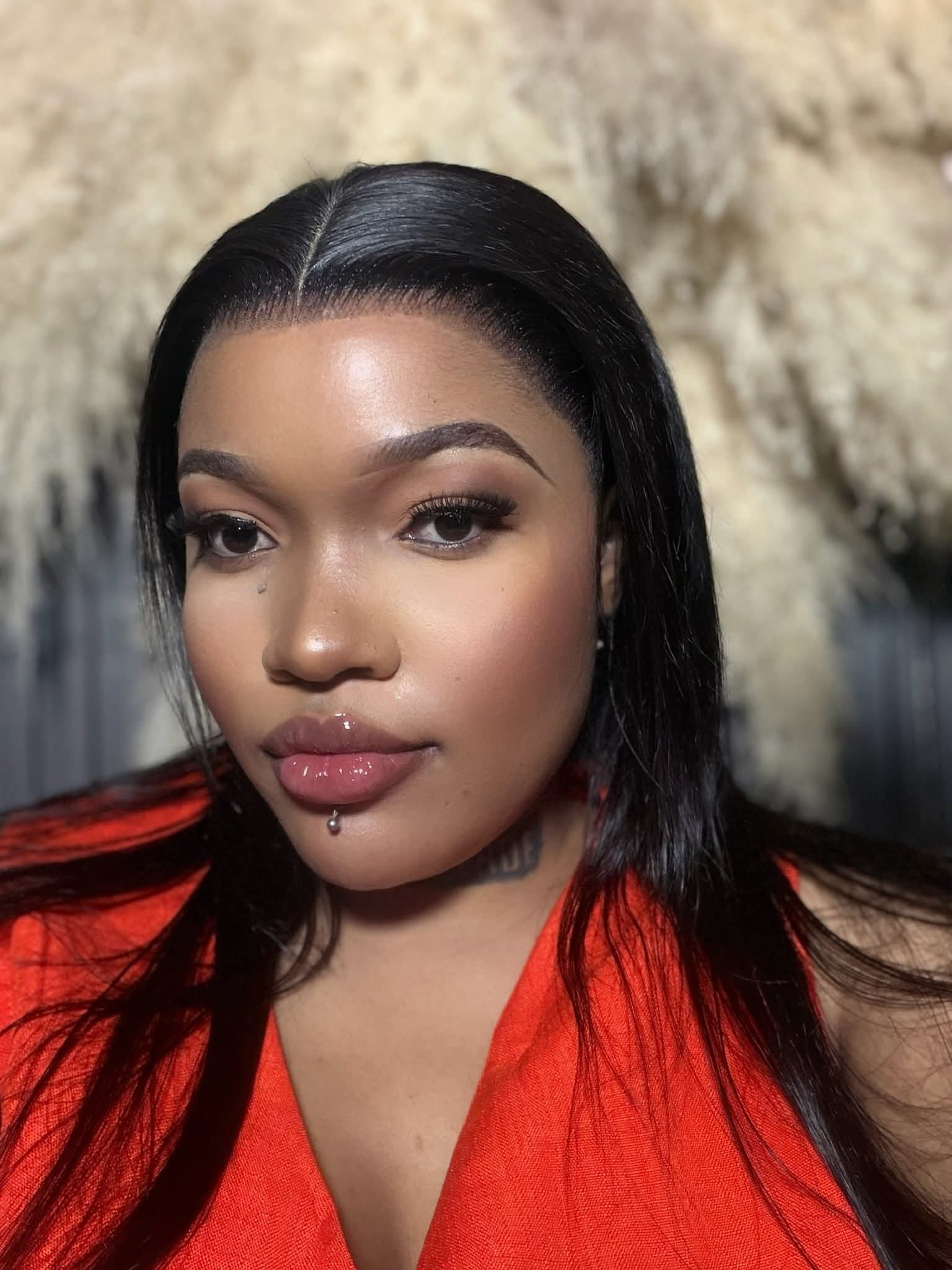


By Princess Eugene Majuru
Across the Zimbabwean diaspora in the United Kingdom—from London to Birmingham, Manchester to Nottingham—the names Malotti and Hulengende have become a hot topic. WhatsApp groups are buzzing. TikTok videos are circulating. Opinions are strong.
But as Zimbabweans abroad, we must ask a deeper question: Are we helping, or are we hurting?
Addiction Is an Illness, Not Entertainment
When someone admits to drug use, it should not only be treated as gossip or scandal. Addiction is a health crisis. It affects the brain, judgment, and behaviour. A person under the influence is not always thinking clearly, just as someone who is heavily intoxicated with alcohol may lose control over their words and actions.
If Malotti is battling addiction, then her social media outbursts may be symptoms of something deeper—pain, trauma, loneliness, or mental health struggles. Mocking her online does not solve the problem. It multiplies it.
As Zimbabweans in the UK, we live in a society that speaks openly about mental health, recovery, and safeguarding. We must bring those lessons into our own community.
Where Is the Support?
What is striking is how quickly people celebrate punishment, yet how slowly they offer help. If someone in our diaspora community is struggling, where are the churches, community organisations, counsellors, and friends?
Support can include:
Access to addiction services or private rehabilitation
Community counselling and mentorship
Support groups within Zimbabwean churches and cultural associations
Parenting support for a mother with a new-born child
Safe housing and emotional support networks
Helping her is not only about one person—it is about protecting a child and preventing future suffering.
Arrest Is Not Recovery
Some people have celebrated news of legal action as though punishment alone will fix everything. But prison does not cure addiction. Public humiliation does not restore dignity. Online bullying does not heal trauma.
Zimbabwean culture has always valued community. Whether in Borrowdale, Hatfield, Eastlea, or the villages many of us came from, when one person fell, the elders and neighbours stepped in. That same spirit must live in our diaspora homes.
The Responsibility of the Diaspora
Those of us living in the UK have access to resources that many back home do not. We understand safeguarding laws, counselling services, and rehabilitation systems. That knowledge gives us a responsibility.
Instead of sharing rumours, we can share information about help. Instead of insults, we can offer prayer, guidance, or referrals. Instead of laughing at someone’s downfall, we can quietly ask, “How can we help?”
Because the truth is this: many young Zimbabweans in the UK are quietly struggling with substance abuse, loneliness, and identity challenges. When we respond with compassion, we create hope for others who are suffering silently.
Media Must Build, Not Break
As a writer, podcaster on Chosen, and founder of News of The South, I believe stories must not only expose problems—they must point toward healing.
We must be careful not to turn human suffering into viral entertainment. We must highlight rehabilitation options, share recovery testimonies, and remind our community that dignity matters.
Choosing Compassion
Zimbabweans in the UK must do better. Supporting someone through addiction does not excuse wrong actions—it helps prevent worse outcomes. Helping one person recover sends hope to many others.
If Malotti and Hulengende are struggling, then the right response is not celebration of their fall. It is support, guidance, and healing.
Because when one Zimbabwean rises—even far from home—the whole nation stands taller.
If you or someone you know in the UK is struggling with addiction, contact your GP, NHS mental health services, local councils, or trusted community leaders. Healing begins with one step.
Comments
About Author