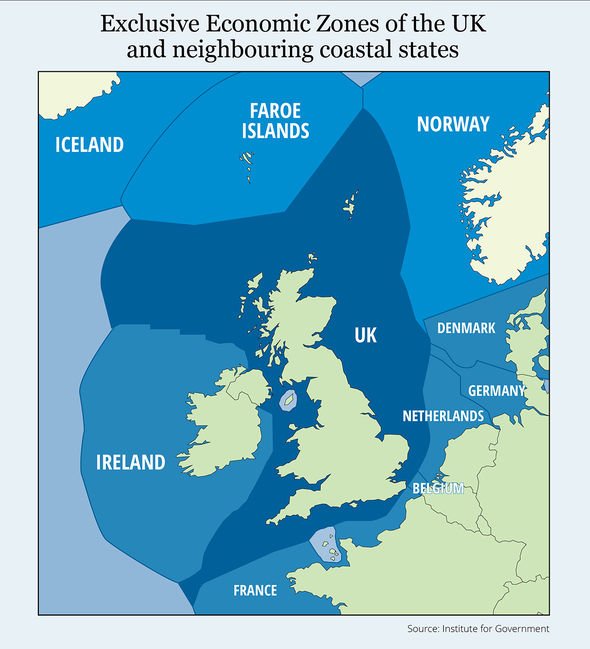


Bridlington, UK (News Of The South) – British fishermen, particularly those in coastal communities like Bridlington, are reeling from a new UK-EU agreement that extends EU fishing access to British waters for an additional 12 years, until 2038. The deal, spearheaded by Prime Minister Keir Starmer’s Labour government, has been met with widespread condemnation from industry representatives and opposition politicians, who decry it as a “betrayal” of promises made during the Brexit campaign.
Kemi Badenoch, a prominent Conservative figure, has been vocal in her criticism, stating on her X account, “Keir Starmer has sold out British fishermen — giving the EU 12 years of access to our waters. Fishermen in Bridlington I spoke to are furious. Labour’s £30m a year offer to help them is what we spend on housing asylum seekers for less than a week. It’s an absolute disgrace.”
The sentiment in Bridlington appears to echo Badenoch’s concerns. Local fishermen express a profound sense of anger and disillusionment, feeling that their industry, once touted as a major beneficiary of Brexit, has been sacrificed for broader political objectives. Many believed that leaving the EU would lead to the UK regaining full control over its fishing grounds, allowing for a rejuvenation of the domestic fleet and increased catches.
The National Federation of Fishermen’s Organisations (NFFO) has described the deal as a “surrender” and a “giveaway,” arguing that it squanders the UK’s leverage in future negotiations and hinders the growth prospects for the British fishing industry. They assert that the ability to grant or decline access to UK waters was a crucial bargaining chip that has now been handed over to the EU for more than a decade, with no tangible increase in quotas or additional gains for UK fishers in return.
While the government defends the agreement as a “win-win” that brings stability and eases trade frictions, particularly for agricultural and seafood exports, critics argue that the benefits for the fishing industry itself are negligible. The deal reportedly aims to simplify food exports and reduce red tape, which some secondary sectors like salmon and shellfish aquaculture have cautiously welcomed. However, fishermen on the front lines feel the economic benefits of this wider trade facilitation do not compensate for the perceived loss of sovereignty over their fishing grounds.
The £30 million annual support package offered by Labour to the fishing industry has also drawn scorn. Critics, including Badenoch, highlight its perceived inadequacy by drawing comparisons to other government expenditures, such as the cost of housing asylum seekers. Recent figures indicate that the UK has spent billions on accommodating asylum seekers, with hotel costs alone reaching an estimated £8 million per day in 2023-24. This stark comparison fuels the narrative among disgruntled fishermen that their sector is being undervalued and underserved.
For its part, the Labour government insists that the deal provides certainty for the future and that none of the fishing rights previously negotiated have been removed. They contend that the agreement protects existing access for UK vessels with no increase in EU quotas, and that it makes it easier to sell British fish to the EU, which remains the largest market for UK seafood.
However, the question remains: who truly benefits from this 12-year extension of EU access? From the EU’s perspective, the deal provides vital stability and continued access to rich fishing grounds, which many European fleets have historically relied upon. Representatives from EU member states have expressed satisfaction, highlighting the “visibility” and stability the agreement provides for their fishing industries.
For the UK fishing industry, particularly smaller operators and coastal communities, the long-term implications are viewed with apprehension. Many feel that the opportunity to fundamentally rebalance fishing rights in their favor has been missed, and that the industry remains constrained by historical allocations. The symbolic victory of “taking back control” of waters, a cornerstone of the Brexit campaign, is now seen by many as undermined.
As the debate rages on, the anger of fishermen in places like Bridlington serves as a stark reminder of the deeply felt impact of such agreements on the livelihoods and sense of identity within these traditional industries. The long-term consequences of this 12-year deal will undoubtedly continue to be a significant point of contention in British politics and for the communities directly affected
Comments
About Author