
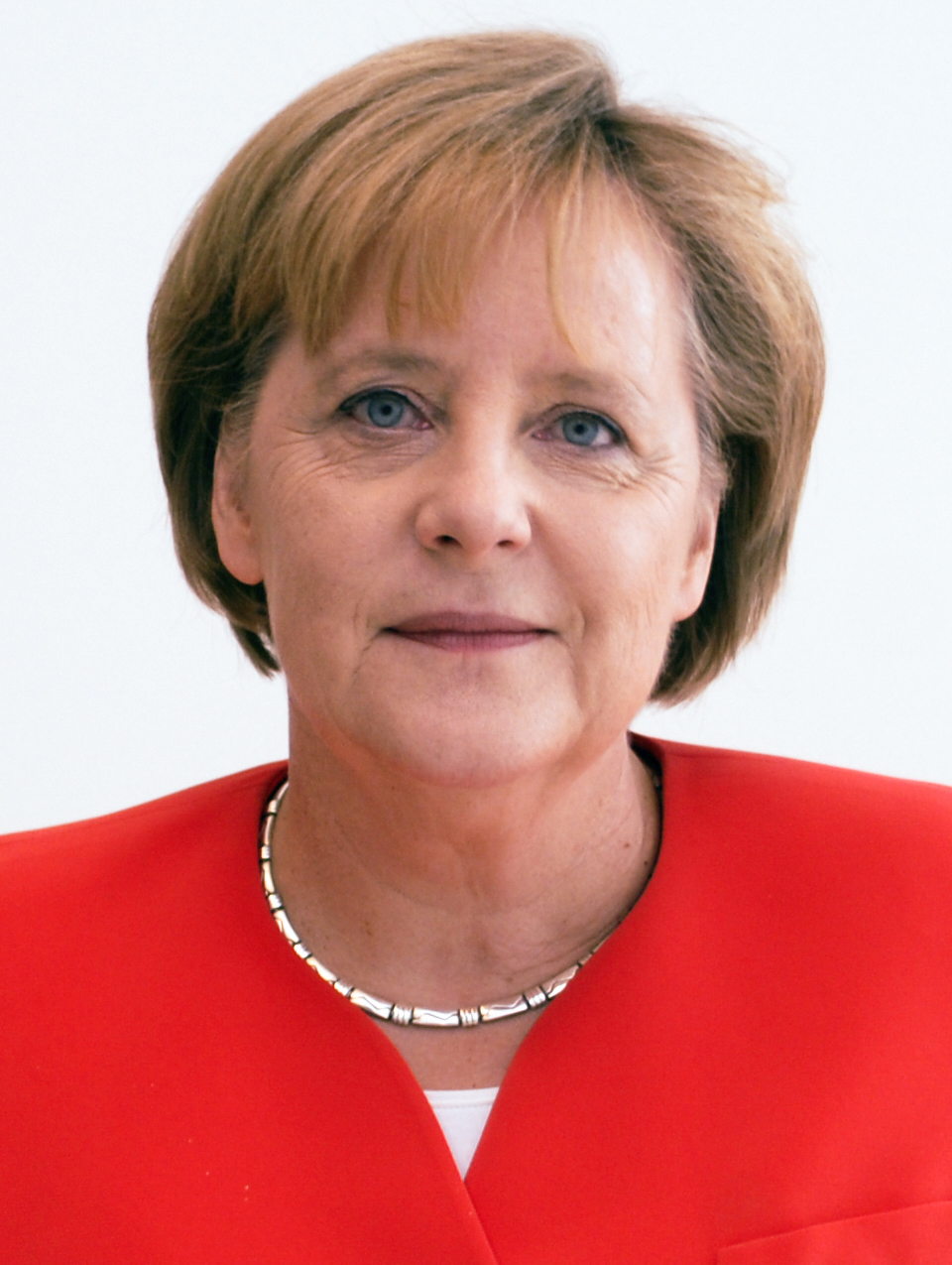


Female leaders handling Covid-19 better.
Since the beginning of the ongoing coronavirus pandemic, there has been a lot of media attention paid to the relationship between female and the effectiveness of their handling of the COVID-19 crisis.
Pamela T. Munyoro
The actions of female leaders in Denmark, Finland, Germany, Iceland, Norway, Taiwan and New Zealand are cited as supporting evidence that women are managing the crisis better than their male counterparts.
New Zealand led by Prime Minister Jacinda Ardern, has been largely successful in meeting its ambitious goal of eradicating, rather than just controlling, outbreaks of Covid-19.
Their lockdown imposed on the 25th of March could be lifted, as their efforts as a nation in fighting the coronavirus are paying dividends.
Chancellor Angela Merkel began her March 18 speech to the German people by acknowledging their pain.
“The coronavirus is currently dramatically changing our lives,” she said.
Our understanding of normality, of public life, of social togetherness, all this is being tested as never before.”
Germany has had a far lower death rate than other countries like Britain, France, Italy or Spain, as they are keeping each other safe.
Meanwhile, comparing with Donald Trump U.S president who has been blaming the social media and democrats for overhyping the situation and promising that this will end soon, Merkel dealt with the situation calmly as she is a trained scientists.
Finland, where Prime Minister Sanna Marin, 34, governs with a coalition of four female-led parties, has had fewer than 10 percent as many deaths as nearby Sweden.
They introduced exceptionally wide-ranging and severe restrictive measures at an early stage of the epidemic
The aim of the restrictive measures was to prevent the disease from progressing among the population, to safeguard the carrying capacity of their healthcare system in all situations and in particular, to protect the lives and health of people at risk, for whom the disease can be very serious.
Finland also increased their level of preparedness in healthcare and the carrying capacity of intensive care.
Tsai Ing-wen, the president of Taiwan, has presided over one of the most successful efforts in the world at containing the virus.
She has been using testing, contact tracing and isolation measures to control infections without a full national lockdown.
Prime Minister Mette Frederiksen of Denmark, announced that, “It is important we don’t keep Denmark closed for longer than we need to,”
Denmark’s moves will be slow and cautious, as they do not want to hurry everyone out. They fear they will be back in lockdown if they move too quickly.
The spread of the coronavirus appears to be under control and their government wants to get the economy going again.
Indeed, these female leaders along with other women in power around the world, have won praise for their handling of the crisis.
Women leaders may share some traits that make them particularly well prepared for any situation. In this case, they have responded swiftly and decisively in handling the coronavirus.
Comments
About Author


