


By HRH Princess Eugene Majuru Princess of Harare
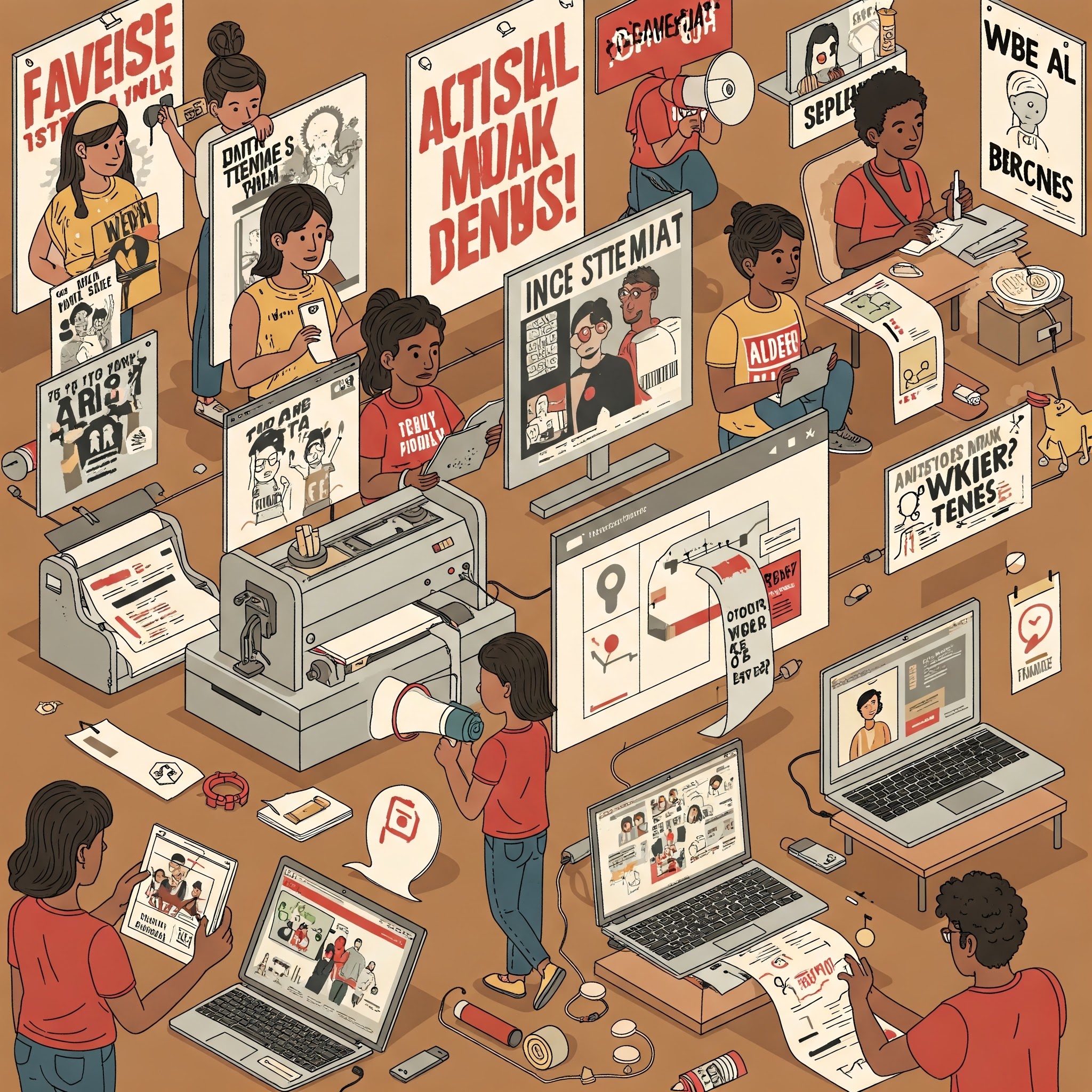
London, England (News of The South) – Mainstream media, with its vast reach and established narratives, often acts as a gatekeeper of information, shaping public perception and reinforcing dominant ideologies. In response, activist media emerges as a powerful tool for challenging these discourses, seeking to dismantle the established order through disruptive aesthetics and reconfigured modes of civic engagement. This article explores the diverse tactics employed by activist media, examining their historical roots and contemporary applications.
Aesthetic Subversion
One key strategy involves the deliberate disruption of mainstream aesthetic conventions. Activist media often employs parody and satire. Mimicking and exaggerating mainstream media formats to expose their inherent biases and absurdities. Think of “culture jamming” tactics like subvertising, which alters existing advertisements to critique consumerism or corporate power. Guerrilla asthetics work by utilizing raw, unpolished visuals and sounds to convey urgency and authenticity. This might include shaky camera footage, graffiti-style graphics, or sampled audio from protests, creating a sense of immediacy and challenging the polished veneer of mainstream productions.
Reappropriating and recontextualizing existing media content to create new meanings. This can involve editing news footage to highlight overlooked narratives or creating mashups that juxtapose opposing viewpoints. Visuualshock comes in the form of employing graphic imagery or provocative visuals to capture attention and force viewers to confront uncomfortable truths. This strategy, while potentially controversial, can be effective in raising awareness about pressing social issues.
Beyond aesthetic disruption, activist media seeks to foster active participation and empower marginalized voices through citizen journalism by enabling ordinary individuals to document and disseminate information, bypassing traditional media gatekeepers. This includes platforms for sharing eyewitness accounts, documenting police brutality, or exposing corporate malfeasance. Most issues happening in the community go unreported by mainstream media who deliberately ignore news they don’t want to be known. Citizen Journalism highlights these issues and other issues affecting the marginalised communities.
Social Media Activism has its advantages, these can be utilising social media platforms to organize protests, disseminate information, and build online communities. This can involve hashtag campaigns, viral videos, and online petitions, facilitating rapid mobilisation and cross-border solidarity. Independent Media outlets create the alternative news sources that prioritise marginalised perspectives and investigative reporting. This can include community radio stations, independent documentaries, and online publications dedicated to social justice issues.
Designing digital tools that allow users to actively participate in data visualisation, mapping projects, or collaborative storytelling. This can empower communities to analyze and challenge dominant narratives through collective knowledge production. Understanding the historical context of activist media is crucial for effective intervention. From the radical print media of the 1960s to the video activism of the 1990s, each era has shaped the strategies and tactics employed today. When planning an activist media intervention, critical thinking is essential. This involves target audience analysis. Identifying the specific audience the intervention aims to reach and tailoring the message accordingly.
Carefully crafting the message to resonate with the target audience and effectively challenge dominant narratives. Choosing the appropriate media platforms to reach the target audience and maximize impact. Addressing potential ethical concerns related to the use of imagery, information accuracy, and privacy. Evaluating the potential risks and consequences of the intervention, including legal challenges or backlash from powerful actors.
Planning beyond the immediate intervention, with a long term view of sustained engagement and change. Activist media, through its diverse tactics and strategies, plays a vital role in challenging mainstream discourses and empowering marginalized voices. By understanding the historical context and employing critical thinking, activists can effectively disrupt the signal and create spaces for alternative narratives to emerge. The power of activist media lies in its ability to reclaim the means of communication, fostering a more informed and engaged citizenry capable of shaping a more just and equitable world. Activist media provides a voice for the voiceless.
Comments
About Author


