


By Princess Eugene Majuru
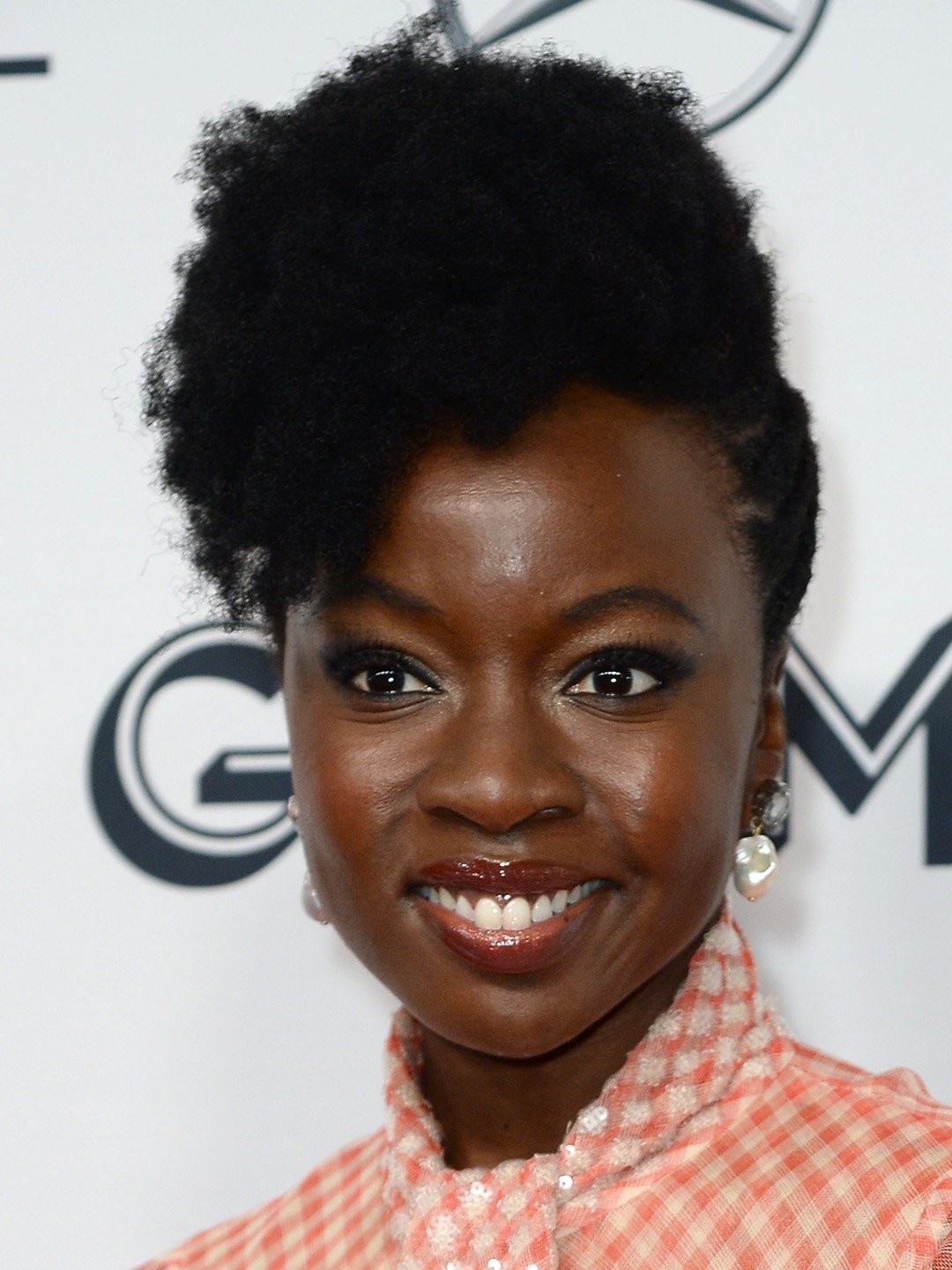
Harare, Zimbabwe ( News of The South) -The powerful, eloquent call by Danai Gurira on Zi FM Stereo for Zimbabweans to control their own narrative inadvertently highlighted a painful reality: the nation’s multi-talented artists are being forced to leave because local opportunities are virtually non-existent. Gurira’s success is a beacon, but it also illuminates the dark shadow of talent drain caused by systemic neglect and what appears to be a detrimental “closed-door policy” within key government ministries.
The Crisis: Talent on the Move
Zimbabwe boasts an abundance of artists—musicians, playwrights, visual artists, and filmmakers—whose potential remains tragically untapped within the country’s borders. Gurira’s motivation to write stemmed from a necessity to fill a narrative void; for countless others, the motivation to leave stems from the necessity to fill an economic void.
The core problem is one of opportunity deficit. While neighboring countries actively promote cultural industries as economic engines and sources of national pride, Zimbabwe’s arts sector remains marginalized. When highly skilled individuals, like Gurira herself, must seek validation, infrastructure, and financial backing abroad, it signals a failure to recognize the arts as a vital sector for economic growth and national branding.
Institutional Paralysis: The Sleeping Ministries
The narrative of frustration among passionate arts developers is particularly acute regarding the Ministry of Sport, Recreation, Arts and Culture. The perception is that this ministry, tasked with stewarding the nation’s cultural wealth, is suffering from institutional inertia.
The result is a vicious cycle:
Lack of Infrastructure: No consistent funding for national arts institutions, theaters, or film studios.
Absence of Policy: Failure to create progressive tax incentives or intellectual property (IP) protection laws that encourage commercial viability in the arts.
The “Closed-Door” Challenge: The reported difficulty in engaging ministry leadership—the reluctance to entertain fresh, vibrant ideas, collaborations, or project proposals—is arguably the most crippling factor. Innovation requires partnership, yet the doors seem locked to the very creatives capable of rejuvenating the sector.
The inactivity is a form of cultural negligence. The lack of proactive promotion means Zimbabwe is losing not just artists, but creative entrepreneurs who could establish studios, employ youth, and generate foreign currency through cultural exports.
From Frustration to Demand
It’s easy to feel the frustration of a dedicated arts advocate who sees Zimbabwe’s vast potential wasted behind bureaucratic resistance.
Gurira speaks of narrative sovereignty—the right to tell one’s own story. But how can sovereignty be achieved when the storytellers are forced into exile? The current situation reflects a failure by the state to uphold its duty to ensure cultural development for its people, as mandated by Article 22 of the Banjul Charter.
The time for the Ministry to “wake up and smell the coffee” is long overdue. This isn’t just a passion project for a few creatives; it is a national economic imperative.
The path forward demands a radical shift:
Open Access Policy: The Ministry must immediately adopt a transparent, open-door policy, welcoming formalized proposals from the arts community and forming genuine advisory boards composed of active industry experts (not just political appointees).
Invest in Infrastructure: Use cultural promotion as a national development goal, allocating a dedicated percentage of the national budget toward arts incubation and infrastructure, modeled after successful schemes in Nigeria (Nollywood) or South Africa.
Decentralization of Power: Empower provincial and municipal cultural officers to fast-track small-scale arts projects without requiring labyrinthine approval from Harare.
Zimbabwe cannot afford to be an incubator for global talent only to see its homegrown stars enrich other nations. The talent is there; the passion is there. All that’s missing is the political will to simply open the door.
Watch the interview here
https://www.instagram.com/reel/DPwQ0MejI7Y/?igsh=MW5za201cjN3bm4xbw==
Comments
About Author


