

By Dr Brighton Chireka.
In March 2016 I wrote the following about vitamin D. You can read the whole document but to save you time here are the facts.
We need the sunlight to make vitamin D and for a fair-skinned person (white ) , it is estimated that around 20-30 mins of sunlight on the face and forearms around the middle of the day 2-3 times a week is sufficient to make enough vitamin D in the summer months in the UK.
People with darker skin ( Asians and Africans etc) and the elderly need more time exposed to sunlight to make enough vitamin D. This is not possible in countries like the United Kingdom(UK).
For six months of the year ( October to April) much of the Western Europe ( including 90% of UK) lies too far north to have enough ultraviolet B in sunlight necessary to make Vitamin D in the skin. This means that many people in UK are at risk of not getting enough vitamin D.
If your are black and you spend your time indoors working and no exposure to sun then consider taking 10 micro grams of Vitamin D a day.
If you have other underlying medical problems and you are black and spend most of your time indoors you may need to talk to your doctor as you may need a higher dose of vitamin D.
This is because you may not be getting enough vitamin D from sunlight if you’re indoors most of the day.
The Department of Health and Social Care in UK recommends that you take a daily supplement containing 10 micrograms of vitamin D throughout the year if you:
* are not often outdoors – for example, if you’re frail or housebound
* are in an institution like a care home
* usually wear clothes that cover up most of your skin when outdoors
If you have dark skin – for example you have an African, African-Caribbean or south Asian background – you may also not get enough vitamin D from sunlight.
You should consider taking a daily supplement containing 10 micrograms of vitamin D throughout the year.
* All pregnant and breastfeeding women should take a daily supplement containing 10μg of vitamin D, to ensure the mother’s requirements for vitamin D are met and to build adequate fetal stores for early infancy.
* All infants and young children aged 6 months to 5 years should take a daily supplement containing vitamin D in the form of vitamin drops, to help them meet the requirement set for this age group of 7-8.5 micrograms of vitamin D per day. However, those infants who are fed infant formula will not need vitamin drops until they are receiving less than 500ml of infant formula a day, as these products are fortified with vitamin D. Breastfed infants may need to receive drops containing vitamin D from one month of age if their mother has not taken vitamin D supplements throughout pregnancy.
* People aged 65 years and over and people who are not exposed to much sun should also take a daily supplement containing 10 micrograms of vitamin D.
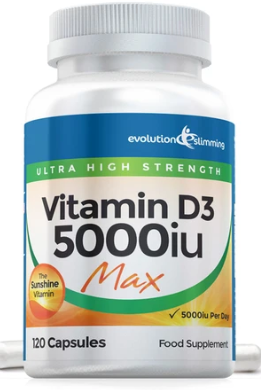
Take note of the units – 1 micrograms is equivalent to 40 international units (IU) . This means the 10 micrograms recommended is similar to 400IU.
Comments
About Author