By Princess Eugene Majuru
Leicester, England, UK (News.of The South)– As global trade winds shift and established powers engage in escalating trade disputes, a unique window of opportunity is opening for African nations. Experts suggest that if African leaders act strategically and with a unified vision, the continent could leverage the current global economic realignment to foster unprecedented growth and development. However, this potential bonanza requires a keen understanding of historical injustices and a bold, forward-thinking approach to international relations.
The ongoing trade tensions, primarily involving Western nations, present a complex landscape for Africa. While some analysts warn of potential negative repercussions such as reduced demand for raw materials and increased import costs, others highlight the potential for African countries to become alternative suppliers and to strengthen intra-continental trade.
Seizing the Moment: Strategic Partnerships and Regional Integration
The key for African nations lies in their ability to strategically engage with global players. While traditional trade relationships with Western countries remain significant, the current climate necessitates exploring and strengthening ties with other global economies, particularly in Asia. China, for instance, has already emerged as a major trading partner and investor in Africa, offering a vast consumer market and significant infrastructure development support. The African Continental Free Trade Area (AfCFTA), a market of over a billion people with a combined GDP of trillions of dollars, presents a vital opportunity. By reducing internal trade barriers and fostering regional value chains, African countries can decrease their reliance on external partners and build a more resilient and self-sufficient economic bloc. For too long, many African economies have been reliant on exporting raw materials, leaving them vulnerable to global price fluctuations. The current trade disruptions offer an impetus to invest in industrialization and value-added processing, allowing African nations to export finished goods and capture a larger share of global trade revenue. Examples could include processing cocoa into chocolate, refining petroleum, or manufacturing textiles. African leaders must approach negotiations with a clear understanding of their nations’ interests and potential leverage. Bearing in mind the historical context of colonialism and resource exploitation is crucial. While seeking mutually beneficial partnerships, African nations should advocate for fair trade practices, technology transfer, and investments that contribute to sustainable development and job creation.
Historical Context: Acknowledging the Past to Shape the Future
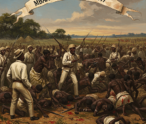
The call for strategic engagement comes with a stark reminder of the historical relationship between Africa and many Western powers. The legacy of colonialism, including the plundering of mineral wealth, the disruption of traditional ways of life, and the enslavement of Africans, casts a long shadow. This historical context should inform Africa’s approach to current trade negotiations, ensuring that new partnerships are built on principles of equity and mutual respect, rather than replicating past exploitative patterns.
A Continent on the Move: The Wheel of Opportunity
There is a growing sense of optimism that a significant shift is underway in Africa. The continent’s youthful population, its vast natural resources, and increasing political stability in many regions position it for a new era of growth. The disruptions caused by global trade wars, while presenting challenges, also act as a catalyst for African nations to re-evaluate their economic strategies and forge a more independent and prosperous future.
African leaders face a critical juncture. By embracing strategic partnerships, prioritizing regional integration, adding value to their exports, and remaining mindful of their history, they can harness the current global economic flux to steer the continent towards a future of sustainable development and greater influence on the world stage. The wheel of life is indeed in motion, and with astute leadership, its momentum can propel Africa towards a brighter horizon.
Comments
About Author