By HRH Princess Eugene Majuru | Editor-in-Chief, News of The South
The death of Zimbabwean businessman Wicknell Chivayo has triggered more than a period of national mourning. It has opened an extraordinary public debate about wealth, generosity, political influence, inequality and the way Zimbabweans judge those who accumulate enormous fortunes in a country where millions struggle to survive. Since Chivayo and his wife, Lucy Muteke, died in a helicopter crash near Marondera on 30 September 2026, reactions have ranged from heart-breaking expressions of grief to uncomfortable criticism of the business empire and public image he built during his lifetime. For some Zimbabweans, Chivayo was a generous benefactor who transformed lives, rewarded loyalty and brought happiness to families who might otherwise never have experienced financial prosperity. For others, he represented a troubling culture in which extraordinary personal wealth existed alongside widespread unemployment, struggling public services and unanswered questions about access to lucrative business opportunities.
His death has not ended those disagreements. Instead, it has brought them into sharper focus.
Few Zimbabwean businesspeople commanded public attention in the manner Chivayo did. His social media announcements became events in themselves. A photograph, a lengthy Facebook message or a simple instruction to visit a luxury vehicle dealership could change someone’s financial circumstances overnight. Recipients celebrated. Supporters applauded. Critics questioned the selection of beneficiaries and the source of such extraordinary spending. The now-famous instruction, “Go and See Victor,” became associated with his lavish vehicle giveaways and the spectacle surrounding them. Yet behind the excitement was a deeper national conversation. Why did one individual’s generosity generate such extraordinary excitement? Why were luxury vehicles being celebrated in a country where many citizens struggled to afford basic necessities? And why did some beneficiaries appear to receive life-changing rewards while countless equally deserving Zimbabweans remained outside the circle of opportunity? These questions were raised during Chivayo’s lifetime. They have not disappeared with his death.
For those who benefited directly from Chivayo’s generosity, his death represents a deeply personal loss. Musicians, religious figures, political personalities and other beneficiaries received vehicles, cash and various forms of assistance. Some gifts brought immediate financial relief. Others increased the public profiles of their recipients or helped them acquire assets they might never otherwise have afforded. The emotional response from these beneficiaries is understandable. When someone changes your circumstances, gratitude can endure long after that person is gone. However, Zimbabwe must also recognise the difference between personal gratitude and public accountability. A person may be generous and still attract legitimate questions about business practices, political relationships and the wider implications of their wealth. Acknowledging those questions does not erase the assistance given to individuals. Equally, recognising his generosity does not require the public to abandon critical examination of his legacy.
One of the most revealing aspects of the reaction to Chivayo’s death has been the resentment expressed by some members of the public. There have been online comments questioning why Zimbabweans should mourn a businessman whose wealth and political connections attracted controversy. Others have condemned those reactions, arguing that no disagreement over money or politics justifies celebrating a person’s death. This disagreement exposes something much bigger than Chivayo himself. It reveals a society carrying deep frustrations about economic opportunity, privilege and inequality. For a person who cannot afford school fees, medical treatment or reliable transport, the public presentation of luxury cars worth hundreds of thousands of dollars can provoke conflicting emotions. Some see inspiration and evidence that financial success is possible. Others see an economic system that appears to reward a small number of connected individuals while ordinary citizens are left behind. Chivayo became a symbol onto which both hopes and frustrations were projected. His death has therefore produced not one national reaction, but several competing interpretations of the same life.
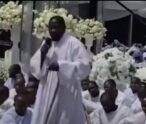
Wicknell”s funeral became a national conversation then turned into international. Even the arrangements surrounding Chivayo’s funeral generated considerable public discussion. The elaborate vehicle-inspired coffins, the luxury cars associated with his final farewell and the reported condition of the remains following the crash attracted widespread attention. There were also serious questions about the emergency response, recovery operation and handling of the crash scene. These concerns deserve careful examination without sensationalising the deaths or causing further distress to the bereaved families. The tragedy claimed not only the lives of Chivayo and his wife but also those of three other people aboard the helicopter. Their families deserve the same compassion, dignity and attention. Public fascination with a wealthy passenger must never diminish the value of the other lives lost.
Does generosity cancel controversy? This is perhaps the most difficult question raised by the public reaction. Chivayo’s supporters point to his generosity as evidence of a man who remembered others when he became successful. His critics argue that charitable giving should not prevent scrutiny of wealth, influence and public contracts. Both generosity and controversy can form part of one person’s public record. Zimbabwe does not have to choose between recognising the people he helped and examining the circumstances that made his extraordinary spending possible. A mature society should be capable of doing both. The measure of a person’s legacy cannot rest entirely on the value of gifts distributed, the number of luxury vehicles purchased or the prominence of the people who received them. It must also consider lasting contributions, economic opportunities created and the institutions strengthened.
The intensity of public reaction demonstrates the unusual place Wicknell Chivayo occupied in Zimbabwean society. He was not merely a businessman whose activities remained within boardrooms and commercial transactions. He became a public spectacle, a benefactor, a political talking point and a symbol of both aspiration and resentment. His death has brought those conflicting perceptions together. Some Zimbabweans will remember the man who gave. Others will remember the questions they believe were never adequately answered. Many will remember both. Ultimately, the most important question may not be whether Zimbabwe loved or disliked Wicknell Chivayo. It may be why one man’s wealth, generosity and death came to reveal so much about the country’s economic frustrations, political divisions and expectations of success. The man has been laid to rest. The national debate about what he represented is far from over.
“Go and See Victor.” — Sir Wicknell Chivayo
Read more Wicknell Chivayo news, investigations and analysis on News of The South.
Comments
About Author