

By Correspondent
In the early 18th century, on the small but strategically significant island of Bermuda, a woman named Sarah Bassett emerged as a powerful symbol of resistance against the brutality of slavery. Though records of her life are limited and filtered through colonial narratives, her story has endured—transformed into legend, memory, and ultimately, a testament to courage.
A Life in Bondage
Sarah Bassett was an enslaved African woman living in Bermuda during a time when the island’s economy relied heavily on forced labor. Enslaved people worked in harsh conditions, deprived of freedom and subjected to strict control by British colonial authorities.
Unlike larger plantation societies in the Caribbean, Bermuda’s enslaved population was smaller, but the oppression was no less severe. Within this system, Bassett lived as a domestic servant, likely witnessing daily injustices that shaped her resistance.
The Poison Plot
Bassett is most remembered for her alleged involvement in a poisoning plot around 1730. According to historical accounts, she was accused of poisoning several white individuals, including members of the household in which she worked. The most notable victim was reportedly connected to a prominent colonial family. Authorities claimed she used toxic substances—possibly extracted from local plants—to carry out these acts. Whether driven by desperation, retaliation, or a broader spirit of rebellion, her actions struck fear into the colonial elite.
However, it’s important to recognize that these accounts were documented by the very system she resisted. Some historians suggest her story may have been exaggerated or shaped to serve as a warning to others.
Trial and Execution
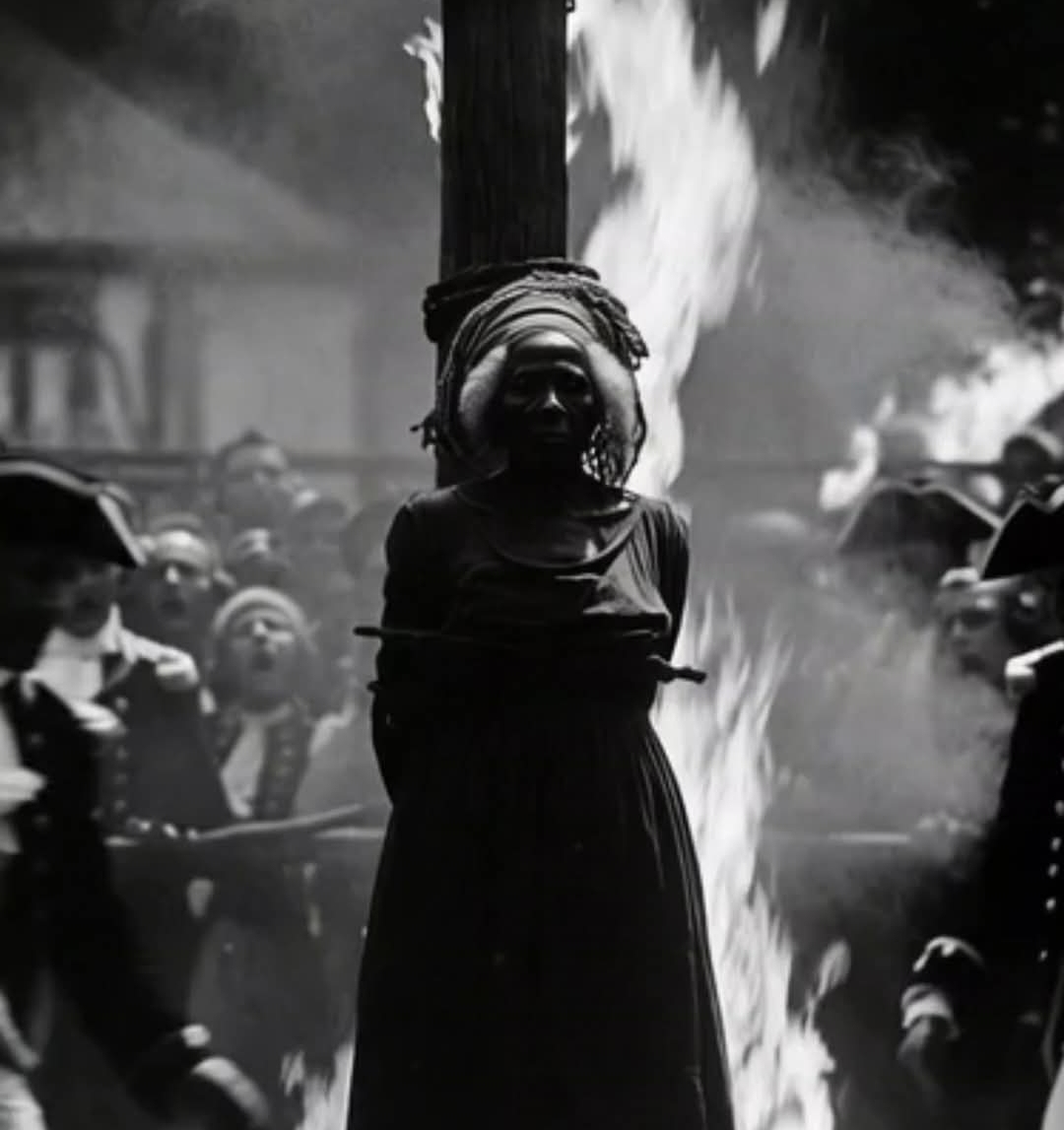
Sarah Bassett was arrested, tried, and sentenced to death. Her execution in 1730 was deliberately brutal: she was burned alive, a punishment reserved for those the colonial system sought to make an example of.
This act was not just a sentence—it was a spectacle of terror, intended to reinforce control over the enslaved population. Yet, in death, Bassett’s story did not disappear.
From Fear to Folklore
Over time, Sarah Bassett’s story transformed. Among Bermuda’s Black community, she became more than a convicted criminal—she became a figure of resistance, a woman who dared to challenge the system that oppressed her.
Today, her name is associated with folklore and memory. Some stories speak of her spirit lingering near the place of her execution in Southampton Parish. Others honor her as one of Bermuda’s earliest symbols of defiance.
Legacy of Resistance
Sarah Bassett’s life forces us to confront difficult truths about colonialism, justice, and historical narrative. Was she a criminal, as colonial records suggest? Or a freedom fighter, resisting an inhumane system with the limited means available to her?
Her story does not offer easy answers—but it does demand recognition.
In modern Bermuda, she is remembered not just for the manner of her death, but for what she represents: the courage to resist, even in the face of overwhelming power.
Sarah Bassett’s legacy echoes far beyond her time. She stands alongside countless unnamed individuals who resisted slavery in quiet and overt ways—reminding us that even in the darkest chapters of history, there were those who fought back.
Comments
About Author