

By HRH Princess Eugene Majuru, Princess Of Harare
London, UK (News of The South) – The recent signing of a deal to transfer sovereignty of the Chagos Islands to Mauritius has ignited a fierce political debate in the UK, with Conservative figures like Kemi Badenoch vehemently opposing what they deem a “wrong and immoral” give-away of British territory. However, the “real deal” is far more complex than a simple handover, steeped in a colonial past and driven by mounting international pressure and strategic considerations.
The question of whether Chagos is “really British territory” is at the heart of the controversy. Historically, the Chagos Islands, officially known as the British Indian Ocean Territory (BIOT), have been under British control since 1814, ceded by France under the Treaty of Paris. For administrative convenience, they were managed as a dependency of Mauritius, which was also a British colony.
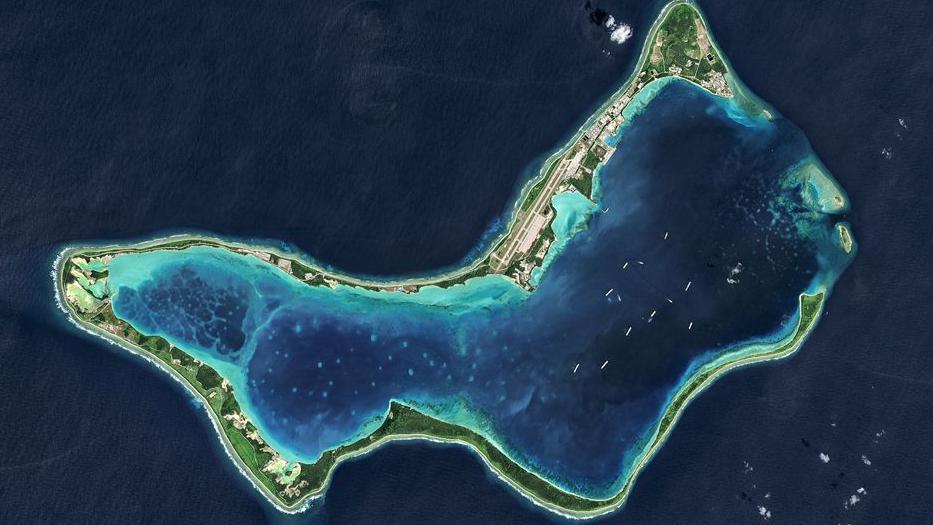
The crux of the dispute lies in events preceding Mauritius’s independence in 1968. In 1965, the UK detached the Chagos Archipelago from Mauritius to create the BIOT, ostensibly for defence purposes. As part of this deal, the UK paid Mauritius £3 million. Crucially, in the late 1960s and early 1970s, the entire indigenous population of the Chagos Islands, the Chagossians, were forcibly removed to make way for a joint UK-US military base on Diego Garcia, the largest island in the archipelago. This expulsion, which saw thousands of Chagossians relocated to Mauritius and the Seychelles, and some eventually to the UK, has been widely condemned as a grave human rights violation.
Mauritius has long argued that the separation of the Chagos Islands was illegal, claiming it was coerced into giving up the territory as a condition for its independence. This claim has gained significant international traction. The International Court of Justice (ICJ) in 2019 issued an advisory opinion stating that the UK’s administration of the Chagos Archipelago was unlawful and that the decolonization of Mauritius was not lawfully completed. This opinion was overwhelmingly endorsed by the UN General Assembly. The International Tribunal for the Law of the Sea has also sided with Mauritius.
Against this backdrop of international legal and moral pressure, the Labour government, led by Sir Keir Starmer, recently signed a deal to cede sovereignty of the Chagos Islands to Mauritius. While the UK will retain control of the strategically vital Diego Garcia military base through a 99-year lease (with an option for a 40-year extension), the agreement marks a significant shift in the islands’ status. The deal includes substantial financial commitments from the UK, including a £40 million trust fund for Chagossians and further payments for Mauritian development.
Kemi Badenoch’s strong denunciation of the deal as an “act of national self-harm” that exposes the UK to China and ignores the will of the Chagossian people, highlights the deep divisions within British politics. She argues that the UK is paying billions to give away something it already owns and that Mauritius’s ties with China are a security concern. Conservatives claim the deal is a “negotiating failure” and that the legal threats to the base were exaggerated.
However, the Labour government defends the deal as a necessary step to secure the long-term future of the Diego Garcia base and uphold international law. Prime Minister Starmer has stated that failing to sign the treaty would have left the UK vulnerable to further legal challenges, potentially leading to the loss of control over the base and allowing other nations, including China, to establish a presence in the region. He emphasized that the deal has the support of key allies, including the US (whose Secretary of State Marco Rubio welcomed the agreement), NATO, and the Five Eyes intelligence alliance. Defence Secretary John Healey also pointed out that the previous Conservative government had themselves engaged in 11 rounds of talks on the issue without reaching a resolution.
For the Chagossians, the deal brings mixed emotions. While some, like Olivier Bancoult, leader of the Chagos Refugees Group, celebrated it as a “historic day” allowing them to potentially return to their ancestral lands (excluding Diego Garcia), others have voiced criticism about the lack of their direct consultation and the limitations on resettlement.
In essence, the “colonial ghost” of the Chagos Islands undoubtedly haunts this recent deal. The UK’s historical actions in separating the islands and expelling their inhabitants have created a moral and legal quagmire that has been increasingly untenable on the international stage. While Kemi Badenoch and others view the deal as a surrender, the Labour government argues it was a pragmatic and necessary move to address a long-standing injustice, secure a vital military asset, and navigate the complex realities of modern international relations in a post-colonial world. The debate over the Chagos Islands is a potent reminder of the enduring legacy of empire and the difficult choices nations face in reckoning with their past.
Comments
About Author