

By Princess Eugene Majuru
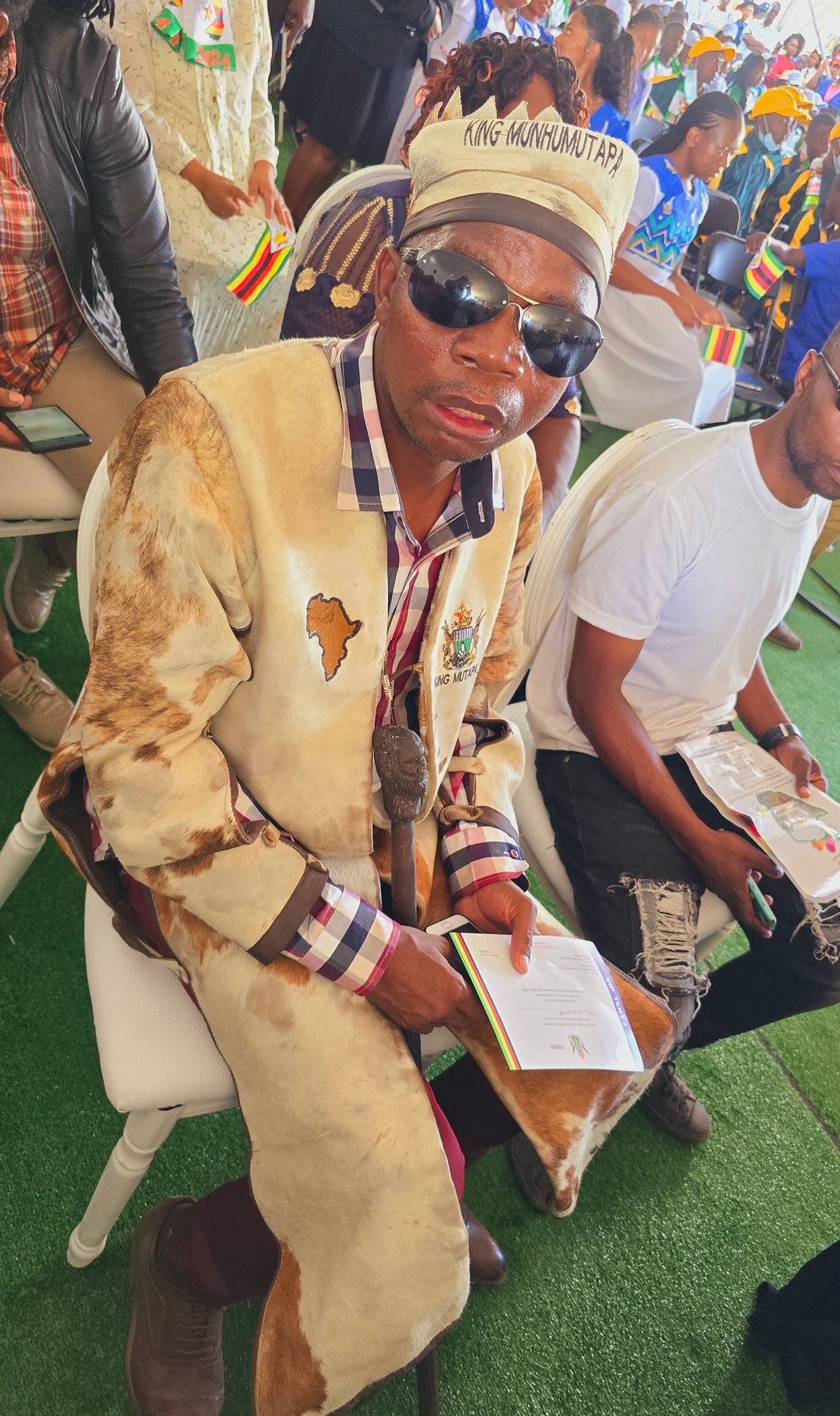
Harare, Zimbabwe (News of The South) – In a development that has stirred both intrigue and skepticism, King Munhumutapa, a figure whose royal legitimacy has been publicly questioned, has reportedly secured funding from the Ministry of Finance to undertake educational tours across Zimbabwe. This comes despite the fact that many Zimbabweans, including some traditional leaders, remain unconvinced about the existence or recognition of a contemporary “King Munhumutapa” within the country’s constitutional framework.
According to sources claiming to be close to the matter, the finance request submitted by King Munhumutapa for resources to facilitate his educational outreach programmes was not only received but has also been approved by the relevant government ministry. King Munhumutapa himself has reportedly stated his readiness to commence these nationwide educational initiatives, the specifics of which remain largely undisclosed to the public.
The purported acceptance of this funding request by the government and the apparent acknowledgement of King Munhumutapa’s intended role in “educating the masses” have raised eyebrows across the nation. While the attached document, the details of which are yet to be publicly verified, is cited as evidence of this governmental support, it has not quelled the doubts expressed by some sections of society.
It is important to note that the Zimbabwean Constitution does not explicitly recognize any traditional monarchical roles with national authority. This has led to ongoing debate and confusion surrounding the claims and activities of individuals identifying themselves as kings or paramount chiefs outside of established local chieftaincies. Such confusion os fuelled by Colonialism which sought to destroy all these structures and Zimbabweans appear confused as it is something that needs restoration. The very constitution in use in Zimbabwe was drafted by the British although parts of it were ammended by Zimbabweans mist sections in use are still sections drafted by the British who colonised Zimbabwe.
However, the recent developments suggest that certain arms of the government and potentially the courts may hold a different perspective, or at least see value in the educational outreach proposed by King Munhumutapa. The exact nature of these educational programmes, their intended target audience, and the curriculum to be delivered are still unclear.
This situation presents a complex dynamic. On one hand, the prospect of nationwide educational initiatives could be seen as a positive step towards empowering citizens with knowledge.
As King Munhumutapa reportedly awaits the disbursement of funds to kickstart his educational tours, the nation remains divided. Some may see this as a genuine effort to uplift communities through education, while others view it with suspicion, questioning the basis of his authority.
Further clarity from the Ministry of Finance and potentially the Ministry of Education regarding the nature of these educational programmes and the justification for supporting King Munhumutapa’s initiative will likely be sought by the public and various civic organizations in the coming days. The unfolding events will be closely watched as Zimbabwe navigates this unusual intersection of traditional activities. Traditional leaders were stripped of their powers by former colonisers and futher by Mugabe when he was still alive, they were stripped to such an extent that most Zimbabweans don’t recognise them, their significznce or undertand the role they play.

Comments
About Author