

BY DR MASIMBA MAVAZA.
(News of The South) – Of many things affected by Covid 19 the process of Shona marriage or paying of lobola received it’s fare share of bashing. So many other cultures emerged with dents which will change the face of how things will be done post the Coronavirus pandemic.
So many customary marriage arrangements were postponed and many who would have been married are still single due to covid -19.
Paying of Lobola in the foreign land saw a great departure from the way it’s supposed to be. But what is Lobola paying? Most of the first generation Zimbabweans in the UK still consider Lobola process as a way of life which can not be ignored. On one hand African traditionalists regard lobola as part of Africanness and strongly seek it’s perpetuation. On the other hand reformists consider it primitive and oppressive and seek its abolition. Both acknowledge the lobola struggle that is prevalent in Zimbabwe. Stories abound in the Pentecostal church and Zimbabwean media about lobola abuse.
To understand the importance of lobola one must be well versed in the beliefs, ideas, implications and experiences of lobola in a Zimbabwean community.
Being in England has taught many Zimbabweans to better understand the conceptions and misconceptions that society has, on bride price payment.
Lobola / Roora is the customary token paid by the groom-to-be when he is about to marry his bride- to- be to his in-laws. Paying the bride price or roora is an acceptable way in the Zimbabwean culture for a groom to ask for his bride’s hand in marriage. Also, this token is for appreciation to the bride’s parents for raising the bride-to-be and to unite the two different families. Bride price or Roora is a uniting factor which is meant to unite and not to exploit.
Payment of bridewealth or lobola is a significant element of marriage in our Shona Culture. However, the functions and meanings attached to the practice are constantly changing. So by being in a foreign land a whole lot of things do change in the process.
The Chikodzonga family in Bristol United Kingdom where shocked on the day of the Lobola paying. As the family sat in the sitting room waiting for the Vakuwasha to turn-up they were shocked when the son inlaw a Nigerian man, walked in and said. “ I have the money where is my wife” he threw a ward of cash on the table with one hand in his pocket. He had come all alone no go between no relatives. Surprisingly in Nigerian culture they don’t do it that way either. The family looked at each other in ewe. What would you have done if it was you?.
The other family waited for their son in law to come and pay the dowry. Sure enough he came with an entourage of twenty people. The time for payment came,the son in-law had one hundred and fifty pounds only. He believed that payment was a token and 150 was enough. That was another day in the cultural jungle.
Among young people in Diaspora the meanings and functions of lobola are hotly contested, without cultural leaders in Diaspora the majority will be putting the last nail on the coffin of our beautiful custom.
While many people see lobola as a valued part of Zimbabwean culture’, most also view it as a financial transaction which necessarily disadvantages women and disadvantages men since the world of equal rights does not base marital value on bride price.
Diaspora seeks to explain the young people’s interpretations by reference to discourses of ‘equal rights’ and ‘culture’ prevalent in Zimbabwean communities.
In the foreign land Lobola there are important issues in Lobola which are substituted. The son in-law will be told to substitute the livestock with cash. Mostly because there is nowhere one can put the livestock in the UK so it’s easier if it’s money. This defeats the whole important especially the mother’s beast. Mombe yeumai. It has always been a live beast and never cash. It should be known that livestock, is an entrenched part of marriage in Zimbabwe. But In Zimbabwe, lobola is no longer a legal requirement of customary marriage.
Being that as it may COVID – 19 has introduced a very new way of managing a bride price payment process. This can be called Lobola via video call.
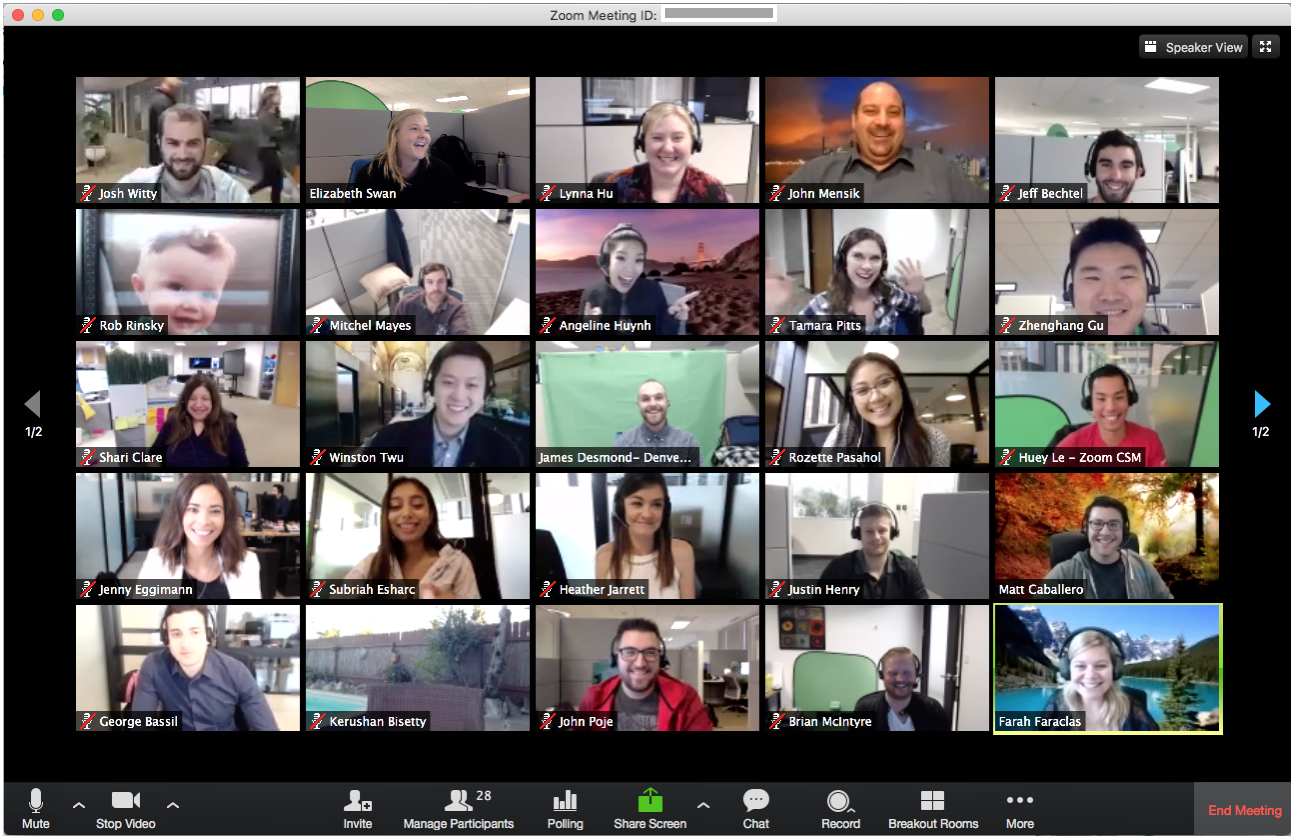
The Zengeya family could not postpone the dowry payment so an arrangement was made. The son inlaw was to arrange a zoom programme. This is a program which is like a conference via video calling. You will be able to see every participant who will be allowed in by entering a specially provided password.
The conference was activated. In this instance the zoom provided a wall where you can post chats or board with messages. So the payments will be flighted on the board.
The in-laws on the wife’s side had an account number flashing on the board. So any required amount will be transferred in the account. The man holding the accounts details would confirm once the funds reflect and then move on to the other item on the list.
The interesting part was when the son in-law was now requested to be seen and come in. The camera shifts and points at him thus he is beamed and captures the whole screen. The son inlaw is fully introduced.
The groceries are needed so in the lock down they are dumped at the door then the aunties will pull them in the house.
A very significant part which confirms the relationship is the part where the in law has to it so that a relationship is cemented. How do we eat on line?
So the eating part is done the family eats on behalf of the other family. Social distancing has to be observed. So one has to eat on the other’s behalf so that there will be no breach of the lockdown rules.
The family is not willing to have a marriage of the children built on an illegal foundation. In the whole process CORONA has eroded the most important parts of our sweet customary norms.
A virus which is unseen but lethal has changed the face of cultural values forever.
Diaspora now is engaging technology in fulfilling our customary oaths.
So the video calling has replaced social unity. Funerals are now conducted via zoom so is church services and many gatherings.
As human beings are social animals there are gatherings which can not be done via zoom. How do we party on zoom. How do we attend a wedding on zoom. Yes COVID 19 has taken away what we have built in thousands of years as humanity.
Comments
About Author