

By: Draxon Maloya
Lilongwe, Malawi. (News Of The Site) The continued use of thin plastics is said to cause more harm than good that if countries are not careful fish species in most lakes and rivers might be depleted by the year 2050, according to findings from an independent assessment,
Findings from an independent assessment commissioned by the Malawi government with support from United Nation Development Program (UNDP) and Lilongwe Wildlife Trust also unearthed negative social, environmental and economic impacts of plastic pollution.
The spokesperson of Malawi parliamentary conservation caucus Commodious Nyirenda said thin plastics are continuing to be one of the major hazards mainly in the developing states.
“The evidence is crystal clear, if thin plastics continue unabated we can expect degraded soils, increase floods, decline human health and loss in tourism revenue, “ Nyirenda said.
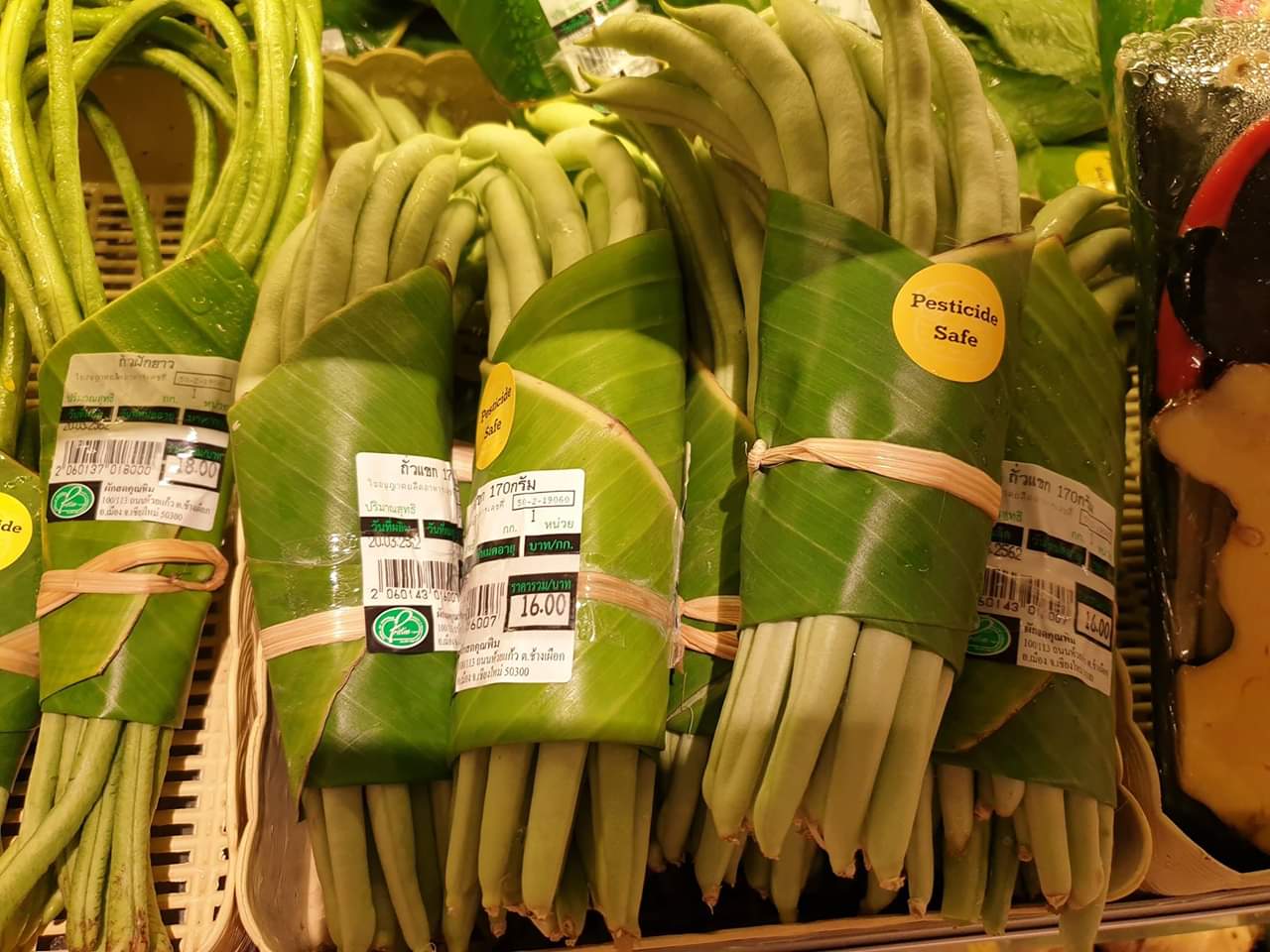
Meanwhile supermarkets in Thailand have come up with of a model of what looks to be one of the ideal economical way of dealing with the problem.
The use of banana leaves wrapping vegetables has significantly cut down on the use and packaging of vegetables in many supermarkets.
Banana trees are common throughout Thailand and can yield leaves as big as 2.5 metres in length, and many people around the world use them to cover various types of food and their sturdiness make them an ideal form of packaging for fresh produce that sells quickly.
Harare, Maputo and Lilongwe and other cities in the sub-Saharan region are becoming an eyesore and need to think of eco-friendly local solution to that.
This shift towards eco-friendly materials is part of a growing zero waste movement around the world that seeks to eliminate non-biodegradable waste significantly reduce the amount of waste overall that get sent to landfills and contaminates ecosystems.
Portfolio Manager for resilience and sustainable Growth at UNDP, Andrew Spezowka said “tackling plastic pollution is crucial to achieving sustainable development and that is the reason why this issue is woven into the United Nation`s sustainable Development Goals.
The international community has recognized the urgency and gravity of the matter and as of March 2019 lightweight plastics have been in 62 countries.
In February the European Union voted to ban single-use plastics across Europe by 2021.
Comments
About Author